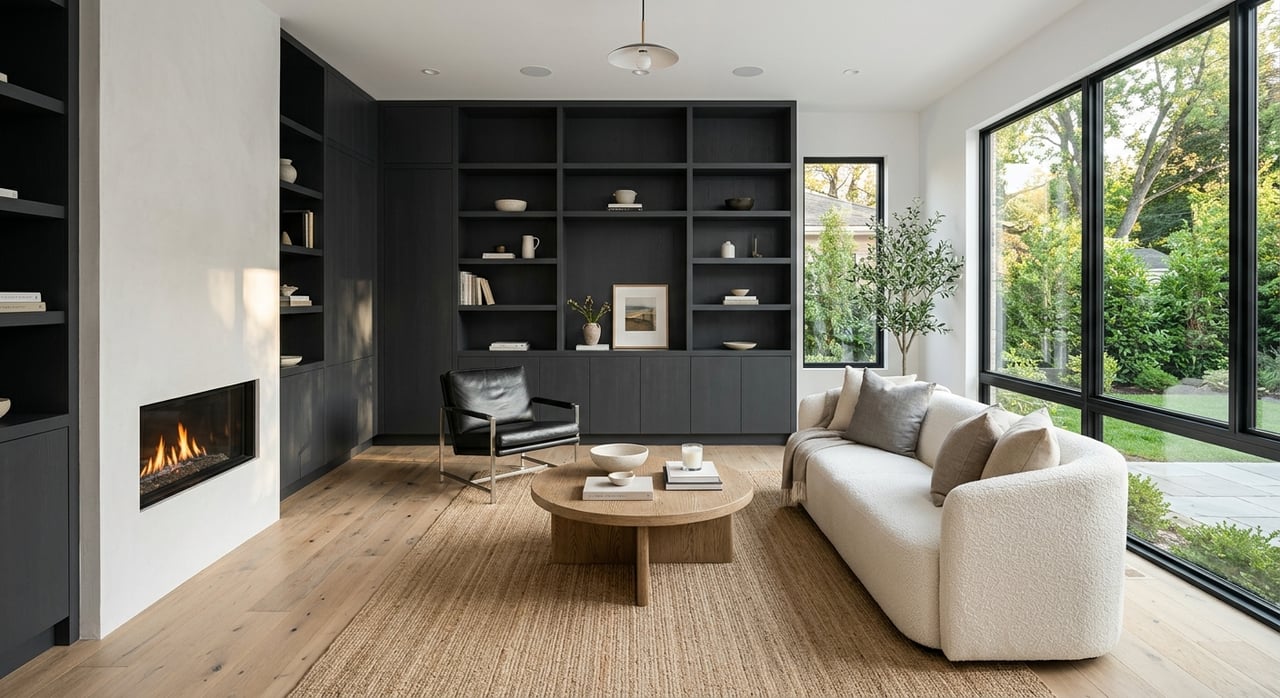
Design-Forward Staging Strategies For Lafayette Sellers
June 18, 2026
June 18, 2026
Selling in Lafayette means competing in a market where buyers move fast and expectations run high. Even when homes are already attracting strong interest, presentation can shape how memorable your listing feels, how easily buyers connect with it, and how confidently they write. If you want your home to feel polished, current, and true to its architecture, the right staging plan can make a real difference. Let’s dive in.
Lafayette was a very competitive market as of May 2026. Redfin reported homes sold in about 18 days, received an average of four offers, had a median sale price of $2,115,534, and sold at a 102.3% sale-to-list ratio, with 43.9% of homes selling above list.
In a market like that, staging is not about masking flaws or overdecorating. It is about helping your home stand out among other strong listings and making it easier for buyers to understand the space right away.
That buyer response is backed by recent staging data. In the 2025 Profile of Home Staging, 83% of buyers’ agents said staging makes it easier for buyers to visualize a property as a future home.
The same report also found that 19% of sellers’ agents said staging increased the dollar value offered by 1% to 5%, while 10% reported a 6% to 10% lift. Thirty percent said staging slightly decreased time on market, and 19% said it greatly decreased time on market.
The smartest staging strategy is not one-size-fits-all. In Lafayette, the best results usually come from matching the presentation to the home’s architecture.
The City of Lafayette notes that nearly 70% of the city’s single-family homes were built during the post-World War II boom. That includes many low-slung ranch homes, especially in areas such as Burton Valley, Silver Springs, and Peardale, often with vaulted ceilings, large kitchens, and expansive family rooms.
Lafayette also includes later hillside homes with wood-and-glass design, often oriented to capture views. And there is an older historic layer too, with early farm structures, Victorian-era homes, and examples like the Georgian-style Friendship Farm built in 1912.
When your staging supports those architectural differences, the home feels more believable, cohesive, and elevated. That is the goal.
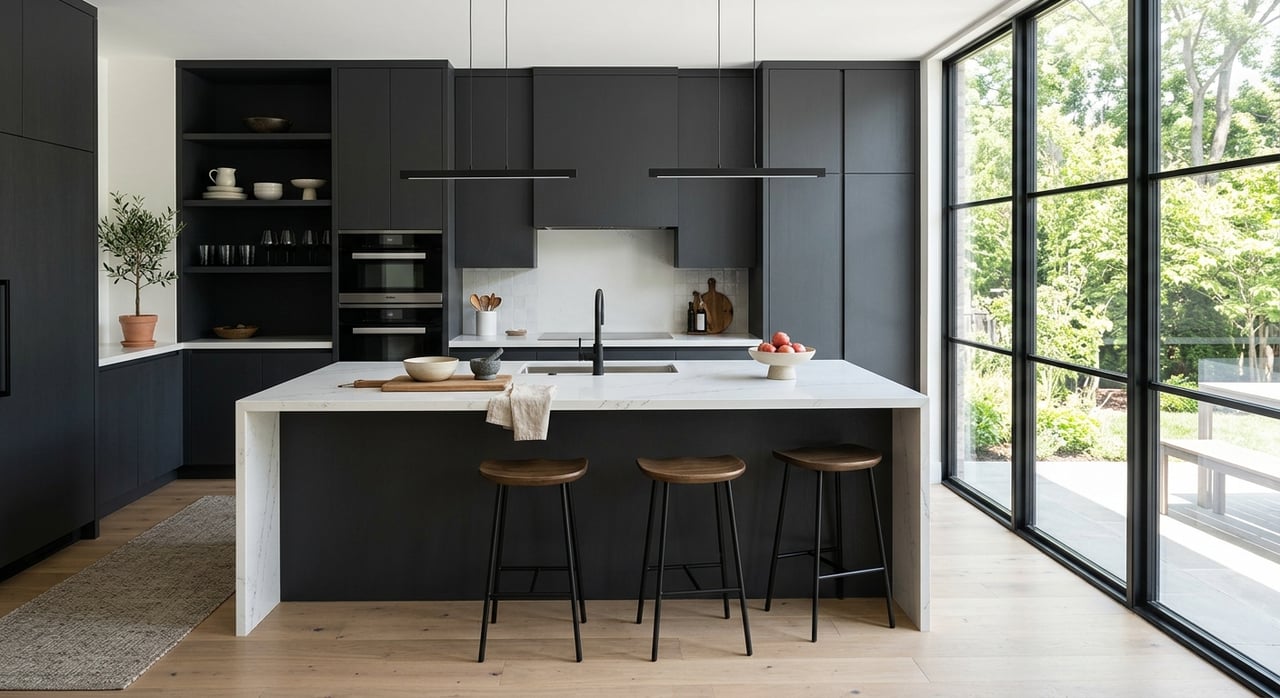
If you are deciding where to spend first, focus on the rooms buyers care about most. According to the 2025 NAR staging profile, buyers’ agents ranked the living room, primary bedroom, and kitchen as the top spaces worth staging.
For sellers’ agents, the most commonly staged spaces were the living room, primary bedroom, and dining room. That tells you something important: you do not need to transform every corner of the house to make an impact.
If your budget is limited, prioritize these areas first:
Once those rooms are dialed in, the rest of the home can support the story with clean styling, strong lighting, and visual consistency.
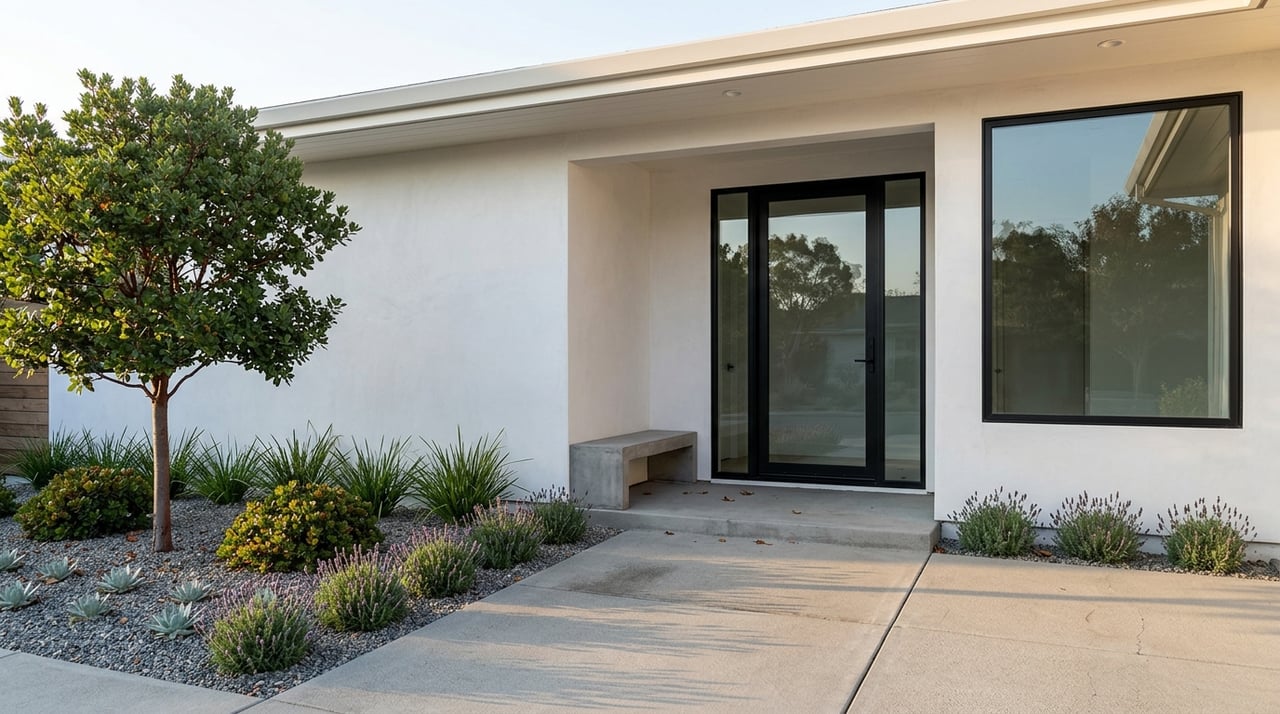
Many Lafayette ranch homes benefit from a lighter, cleaner approach. Because these homes are often single-level with broad living spaces and easy indoor flow, staging should help the layout feel open and continuous.
Use furniture with a lower profile so vaulted ceilings and wall lines remain visible. Scale matters here. Pieces that are too bulky can make a room feel more segmented than it really is.
The living room should feel open first. Then the kitchen and family room should read as connected, inviting spaces that support everyday living and entertaining.
A few design choices tend to work well in this housing type:
The goal is to show ease, not excess. Buyers should be able to understand how the home lives within a few seconds of walking in.
In Lafayette’s hillside and custom homes, the architecture often does the heavy lifting. If the home was designed around glass, light, and outlooks, your staging should protect those sightlines.
That usually means fewer large pieces and less visual competition near windows. Heavy drapery can work against the home, especially when the view is one of the strongest selling features.
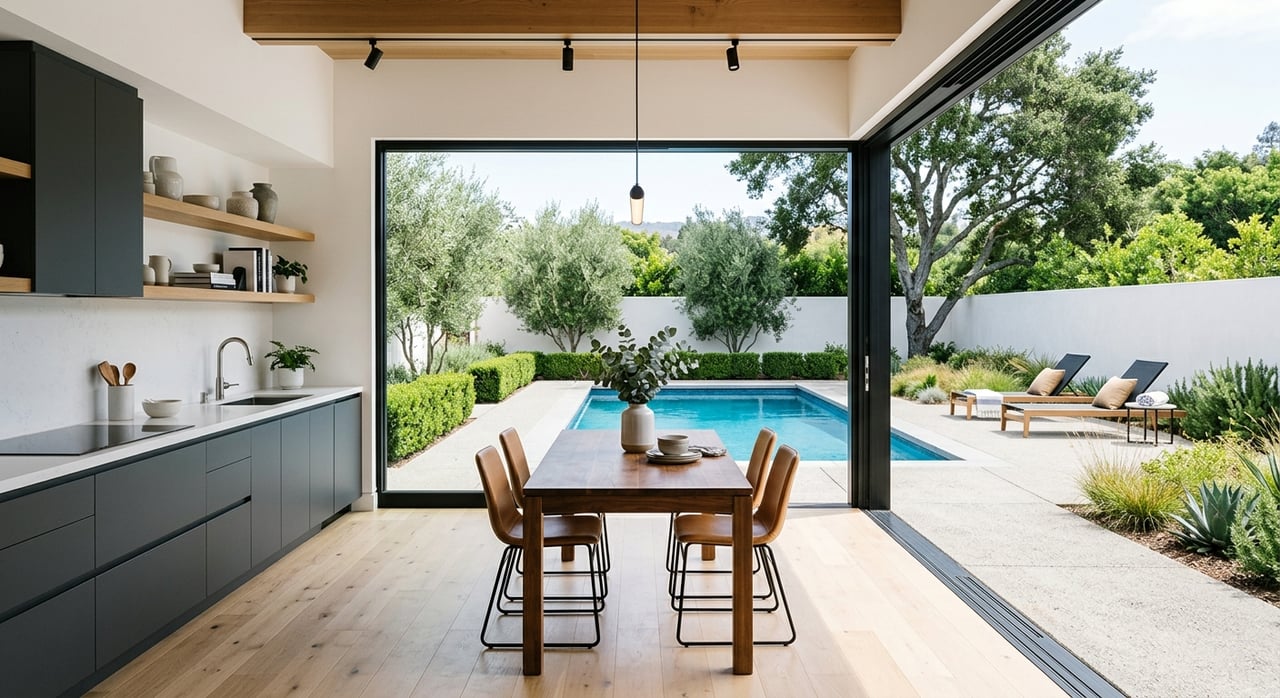
Furniture should frame the view, not fight it. Decks, terraces, and patios should also feel intentional, since buyers often read those areas as extensions of the indoor living space.
For these homes, strong staging often includes:
Older farmhouses, Victorian homes, and Georgian-style properties call for a different hand. Here, staging should support period character rather than trying to force a trendy look that feels disconnected from the architecture.
That does not mean your home has to feel formal or dated. It means symmetry, woodwork, and original details should be part of the visual story.
A restrained approach often works best. Neutral, classic colors, tailored window treatments, and carefully chosen accessories can help the home feel timeless and well cared for.
If your home has historic character, avoid styling that overwhelms it. Buyers should notice the craftsmanship and proportions first, with furnishings that complement rather than compete.
Lafayette’s housing mix also includes loft-style condos, townhomes, senior housing, and apartment communities near transit. In these homes, staging often needs to do one big job: define function.
Smaller or more urban spaces benefit when each area has a clear purpose. Buyers should be able to tell where to eat, work, relax, and store daily essentials.
This is where scale and lighting matter most. Mirrors, layered lighting, and properly sized furniture can help compact rooms feel intentional instead of tight.
For condos and townhomes, focus on:
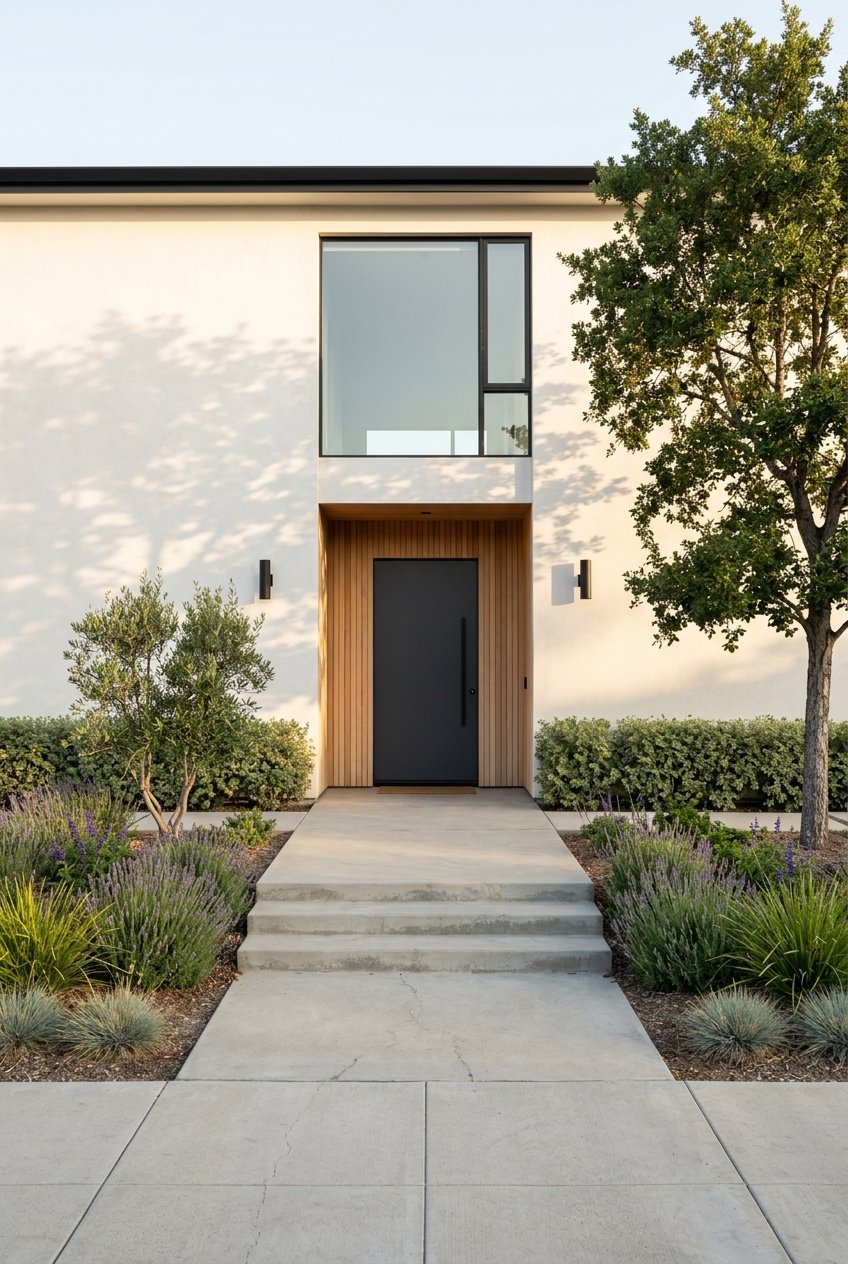
Before you rent a single chair or bring in art, handle the basics. The 2025 NAR staging profile found that sellers’ agents most often recommended decluttering, whole-home cleaning, and improving curb appeal.
Those steps are not glamorous, but they often create the biggest return early in the process. They also make every later design choice work better.
Your minimum pre-listing staging plan should include:
The same NAR data suggests photos, video, and traditional physical staging mattered more to clients than virtual staging. That makes polished media an important part of the overall presentation strategy.
Not every Lafayette listing needs full-home furniture rental. In fact, the best return often comes from targeted physical staging plus excellent media, especially when the home is already occupied and has strong bones.
The 2025 NAR profile found that only 21% of sellers’ agents stage all seller homes. It also found that 34% of sellers’ agents said virtual staging was less important than clients thought.
If your home is vacant, unusually proportioned, or competing in the upper tier of the market, fuller staging may be easier to justify. In those cases, buyers often need help understanding scale, use, and flow from a blank canvas.
If your home is furnished and in good condition, a lighter-touch plan may be enough. Thoughtful editing, selective room staging, and strong photography can go a long way.
The national median spend when using a staging service was $1,500 in the 2025 NAR report. In a high-value market like Lafayette, that number can help frame the decision.
Using Lafayette’s May 2026 median sale price of $2,115,534 as a rough benchmark, a 1% to 5% lift would equal about $21,155 to $105,777. Real-world outcomes will vary, of course, but the comparison helps explain why many sellers see presentation as a strategic investment rather than a cosmetic extra.
That does not mean you should spend blindly. It means your staging dollars should be directed toward the choices buyers notice first: cleanliness, layout clarity, curb appeal, key rooms, and polished listing media.
If you want a simple way to think about your next steps, use this checklist before your home hits the market:
When those elements come together, your home tells a clearer story. That story is what helps buyers connect emotionally and act decisively.
Lafayette already offers sellers a strong market backdrop, but strong markets do not eliminate the need for smart preparation. They reward it.
When your home feels architecturally coherent, easy to understand, and visually elevated, buyers can focus on what makes it special. In a city with ranch homes, custom hillside properties, historic residences, and polished townhomes, the most effective staging is always the staging that fits the house.
If you are preparing to sell, design-forward staging is not about following trends. It is about presenting your Lafayette home with enough clarity, restraint, and style that buyers can see its value immediately.
When you are ready for a tailored listing strategy, schedule a white-glove home strategy consultation with Ria Rossi.
Stay up to date on the latest real estate trends.
Connect with Ria Rossi for trusted, tailored guidance in the East Bay luxury market. Your next chapter begins here.