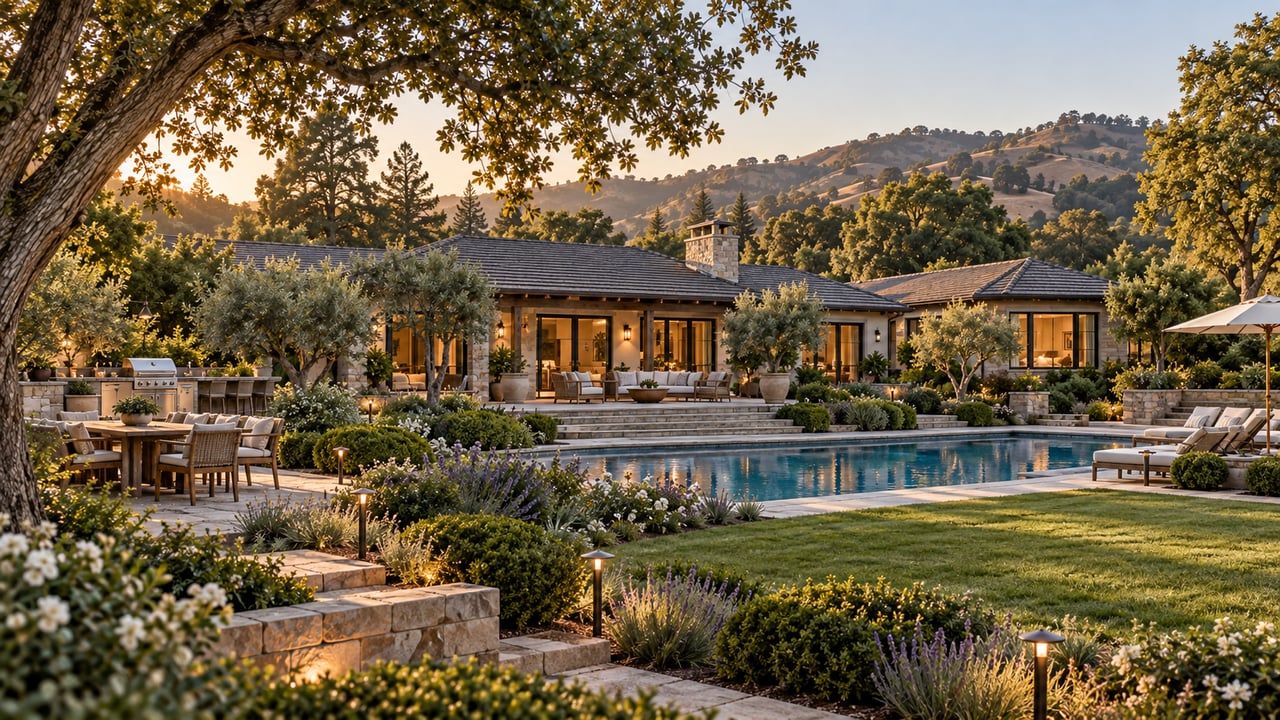
How Much Does It Really Cost to Live in Alamo, CA?
Ria Rossi September 21, 2026
Ria Rossi September 21, 2026
The price of an Alamo home is easy to see.
The cost of owning it is not.
Two homes with nearly identical asking prices can create very different monthly and annual expenses.
One may sit on a simple, manageable lot.
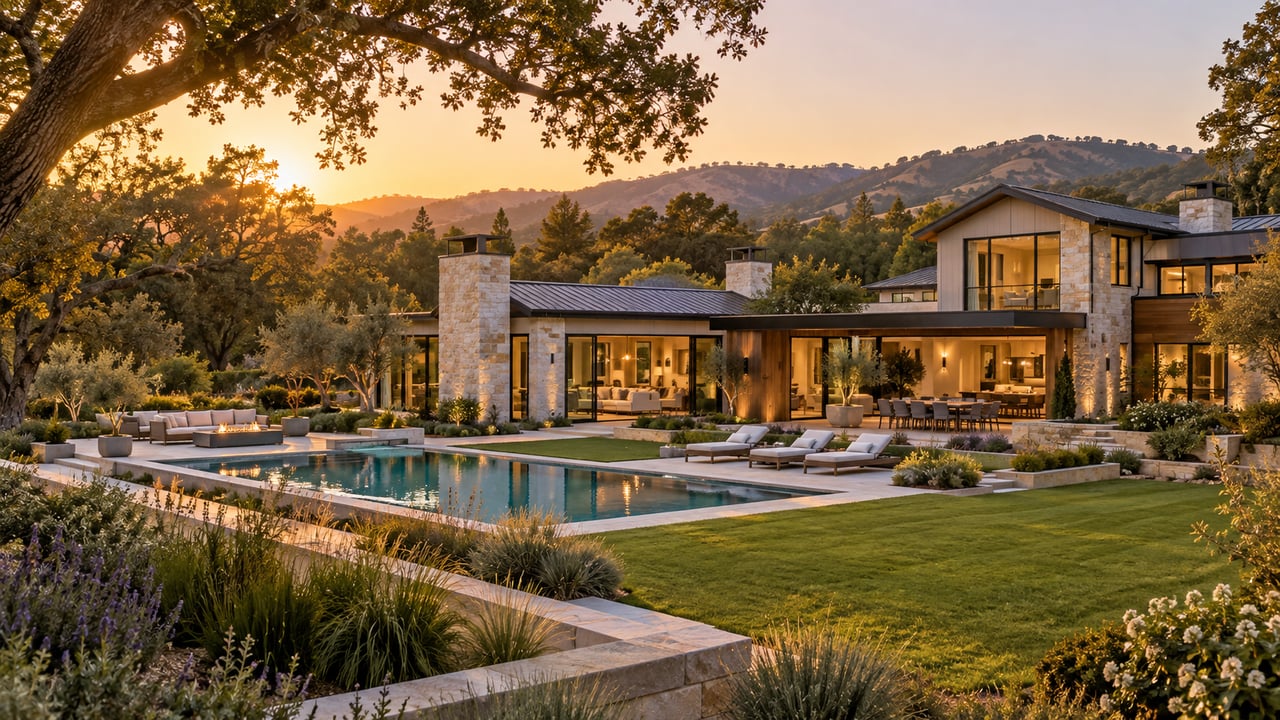
The other may have a pool, mature landscaping, multiple HVAC systems, extensive outdoor lighting, a hillside setting, or several structures to maintain.
That is why the most useful question is not:
“Is Alamo expensive?”
It is:
“What will this particular home cost me to own comfortably?”
For buyers considering Alamo, California, that distinction can change which property actually represents the better value.
Yes. Alamo is one of the higher-priced residential markets in Contra Costa County and the East Bay.
As of August 2026, the median listing price in Alamo was approximately $3.199 million, while the median sold price was approximately $2.834 million.
But housing price alone does not tell you the true cost of living in Alamo.
Homeowners may also need to account for:
The practical takeaway is simple:
In Alamo, the property you choose matters as much as the price you pay.
Housing is the largest part of the cost equation.
Alamo's market includes everything from more conventional residential homes to substantial custom estates, which means a single median price can only tell you so much.
A buyer at the same general budget may be choosing between:
All may be priced similarly.
They may not cost the same to own.
That is why I encourage buyers to look beyond purchase price and ask:
What am I inheriting with this property?
The answer often tells you more about the real cost than the listing price does.
Financing can materially change the monthly cost of ownership.
The average 30-year fixed mortgage rate was 6.95% as of September 17, 2026, although actual borrower rates vary based on credit, loan size, down payment, lender, and loan structure.
At Alamo price points, many financed purchases may involve jumbo loans, so broad national mortgage averages should be treated as context rather than as a quote for a specific buyer.
More importantly, buyers should distinguish between:
What a lender says you can borrow
and
What you actually want to spend each month.
Those numbers are not always the same.
A home should expand your life.
It should not require every other part of your life to contract around the payment.
California property taxes begin with a 1% base rate, with voter-approved bonds, assessments, and other charges added depending on the specific parcel.
That means there is no single property-tax percentage that applies uniformly to every Alamo home.
For illustration:
A $3 million assessed value would create a base property tax of approximately $30,000 per year, before additional assessments.
A $5 million assessed value would create a base amount of approximately $50,000 per year, before additional assessments.
These are not actual tax estimates for a specific property.
They are simply a reminder that at Alamo price points, property taxes are a meaningful part of the ownership budget.
Before buying, review the actual tax bill and tax-rate area for the specific home.
This depends heavily on the house.
A smaller, efficient Alamo home may have a very different utility profile from a large estate with a pool, multiple HVAC zones, extensive lighting, and several refrigerators or specialty systems.
Common factors that can increase utility costs include:
Regional utility averages can provide context.
But for a serious buyer, the seller's actual historical utility bills are often more useful.
Ask what the home has really cost to operate.
That answer is better than a generic calculator.
It can be.
But the cost is property-specific.
California's insurance market continues to evolve, particularly for homes with greater wildfire exposure.
Factors that may affect cost or availability include:
This is one expense buyers should investigate early.
If you are seriously considering a property, obtain an insurance quote before the transaction becomes too far along.
Do not assume that because one Alamo home is straightforward to insure, another one will be too.
Because in Alamo, the land may be part of what you are buying.
Large lots, mature trees, lawns, gardens, irrigation systems, and outdoor living spaces can add tremendous value to the way a property feels.
They also require care.
Ongoing costs may include:
A large yard is not inherently expensive.
A large, highly designed yard may be.
The better question is whether the outdoor space gives you enough enjoyment to justify the upkeep.
A pool creates both lifestyle value and operating cost.
Ownership may involve:
For one household, that cost may feel unnecessary.
For another, the pool becomes where children spend the summer, where friends gather, and where the family uses the property most.
That is why the answer is not simply whether a pool is expensive.
It is whether you will use it enough to make the expense worthwhile.
Because every additional feature eventually becomes another system to manage.
Larger Alamo properties may include:
Those features may be exactly what makes the property extraordinary.
But they should be evaluated as part of the ownership experience.
A beautiful estate should feel expansive.
It should not surprise you with a level of maintenance you never intended to take on.
Some do. Some do not.
Alamo is not one uniform HOA market.
If a property belongs to a homeowners association, buyers should review:
The presence of an HOA is neither automatically positive nor negative.
What matters is whether the structure supports the way you want to live and use the property.
This is where broad cost-of-living calculators become less useful.
Two households living on the same street may spend very differently.
One family may prioritize extensive travel, private clubs, household help, and frequent entertaining.
Another may spend most weekends at home and value Alamo precisely because the property itself provides recreation, privacy, and gathering space.
Your lifestyle determines much of the equation.
So before deciding what budget feels comfortable, ask:
What am I buying this home to make possible?
If you want outdoor living, the landscaping and pool may be worth the cost.
If you travel constantly, a simpler property may be more valuable.
If you entertain regularly, guest space and a larger kitchen may justify the additional carrying expense.
The right home is not necessarily the one with the lowest ownership cost.
It is the one where the cost supports the life you actually want.
Before committing to a property, buyers should understand:
For larger or more complex properties, also ask for:
The bigger the property, the more useful this information becomes.
Often, yes, particularly when comparing housing prices and larger properties.
But that comparison can be misleading without considering what the buyer is receiving.
A higher-priced Alamo property may include:
A similarly priced property in Walnut Creek may offer less land but greater proximity to downtown, BART, restaurants, and shopping.
Danville may create another combination entirely.
So rather than asking:
“Which community costs less?”
Ask:
“Where does my budget buy the lifestyle I value most?”
That is the comparison that actually helps you decide.
There is no single number.
The true cost depends on the property you choose and the life you plan to live there.
A useful way to think about it is in five layers:
Purchase cost
What does it take to acquire the home?
Financing cost
What will the monthly payment or capital commitment look like?
Fixed ownership costs
Property taxes, insurance, and HOA dues where applicable.
Operating costs
Utilities, landscaping, pool service, and routine maintenance.
Long-term costs
Roof, HVAC, equipment, renovations, and larger repairs.
That framework tells you far more than a general cost-of-living index.
A $3 million renovated home on a manageable lot may ultimately feel easier to own than a less expensive property with years of deferred maintenance.
A larger estate may cost more every month and still be the better decision if the privacy, land, and amenities are exactly why you are moving to Alamo.
The goal is not simply to afford the house.
It is to enjoy owning it.
Yes. Alamo is a high-priced residential community in Contra Costa County and the East Bay. Housing is the largest expense, with additional costs varying significantly depending on property size, land, insurance, utilities, and amenities.
As of August 2026, the median listing price was approximately $3.199 million, while the median sold price was approximately $2.834 million.
California begins with a 1% base property tax rate, with additional voter-approved bonds and assessments depending on the specific parcel.
It can be. Pricing and availability depend on the individual home, including wildfire exposure, construction, roof, vegetation, replacement cost, and insurer requirements.
They can be for larger properties, particularly homes with pools, multiple HVAC systems, EV charging, extensive irrigation, or significant outdoor amenities.
No. Maintenance depends much more on the property than the address. A renovated home on a simpler parcel may be relatively straightforward to own, while a large estate can involve substantial landscaping, pool, equipment, and systems maintenance.
Alamo often carries higher housing costs, particularly for homes with larger lots and greater privacy. But buyers should compare what the same budget delivers in each community rather than relying only on median prices.
The right budget is not simply the highest purchase price you can qualify for.
It is the number that allows you to buy the property you want and still enjoy everything that comes after closing.
I help buyers evaluate the full ownership picture, from price and property taxes to insurance, lot complexity, maintenance, and the details that affect what a home will actually cost to live in.
If you are considering Alamo, let’s clarify what kind of property and lifestyle you want first, then build the search around a budget that supports both.
Start a private Alamo buyer conversation or request a curated property search.
Stay up to date on the latest real estate trends.

The trails, tables, and clubs that shape everyday life here, and what they tell you about whether Alamo fits the life you want.
From San Francisco to Silicon Valley, here's what to know about commuting, transportation options, and everyday life in Alamo.
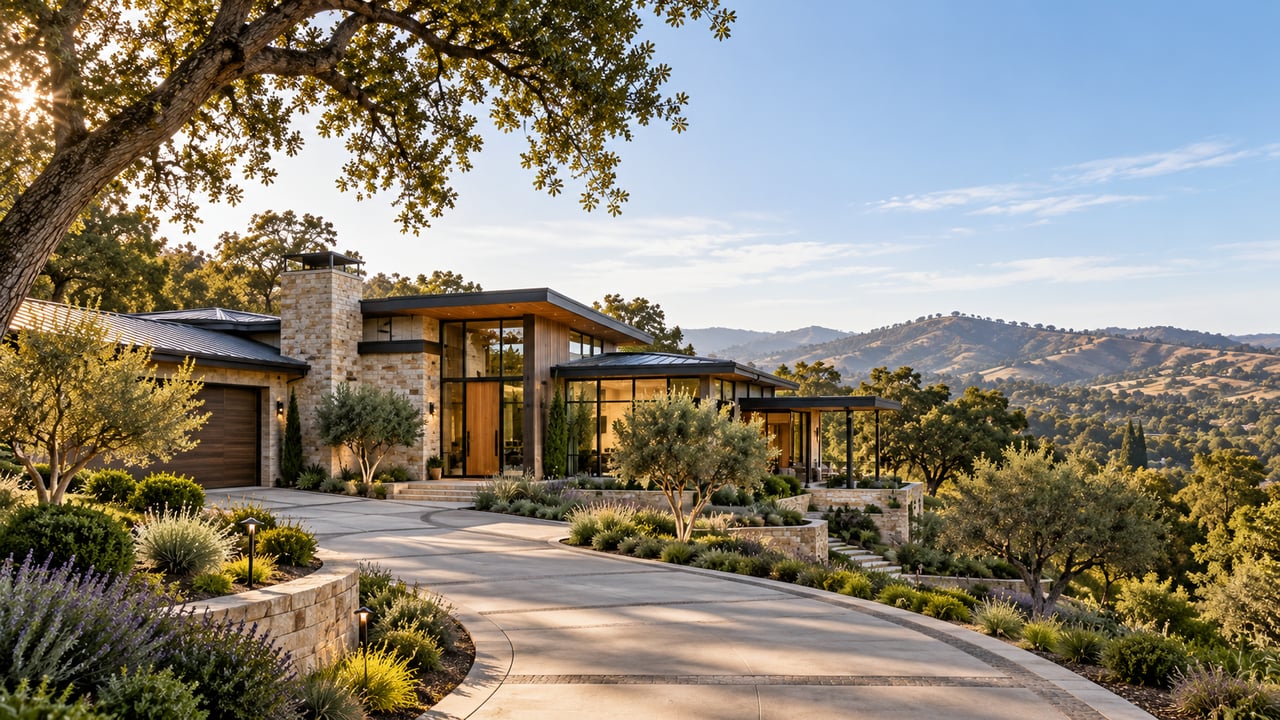
A thoughtful buyer's guide to wildfire insurance, hillside risks, and the details worth understanding before making an offer.
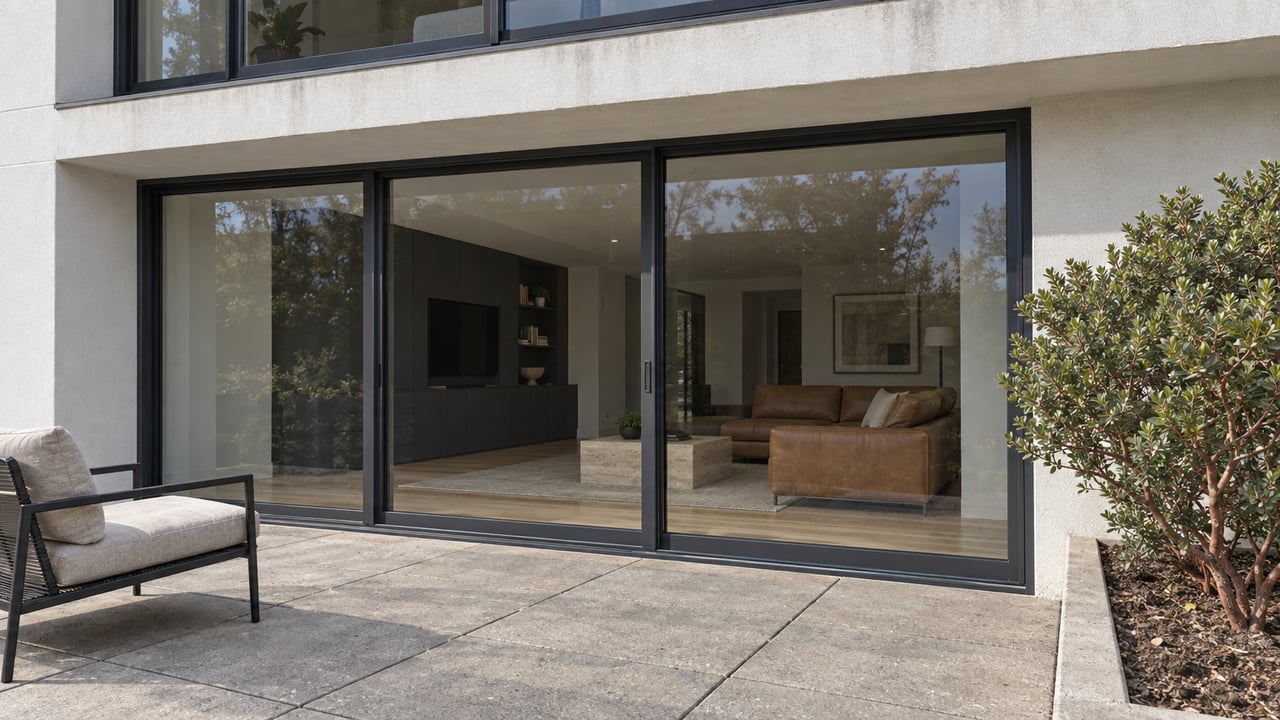
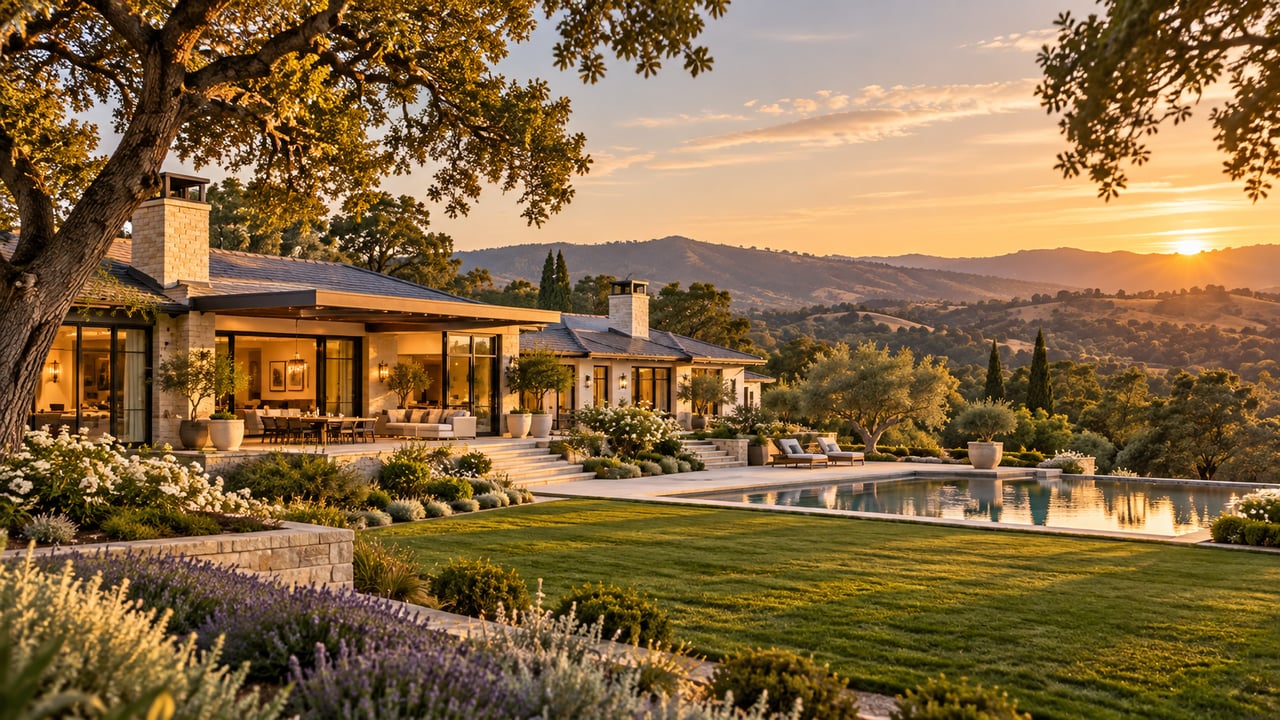
A buyer’s guide to the Alamo neighborhoods and property settings where more land, meaningful privacy, and beautiful views can still be part of everyday life.
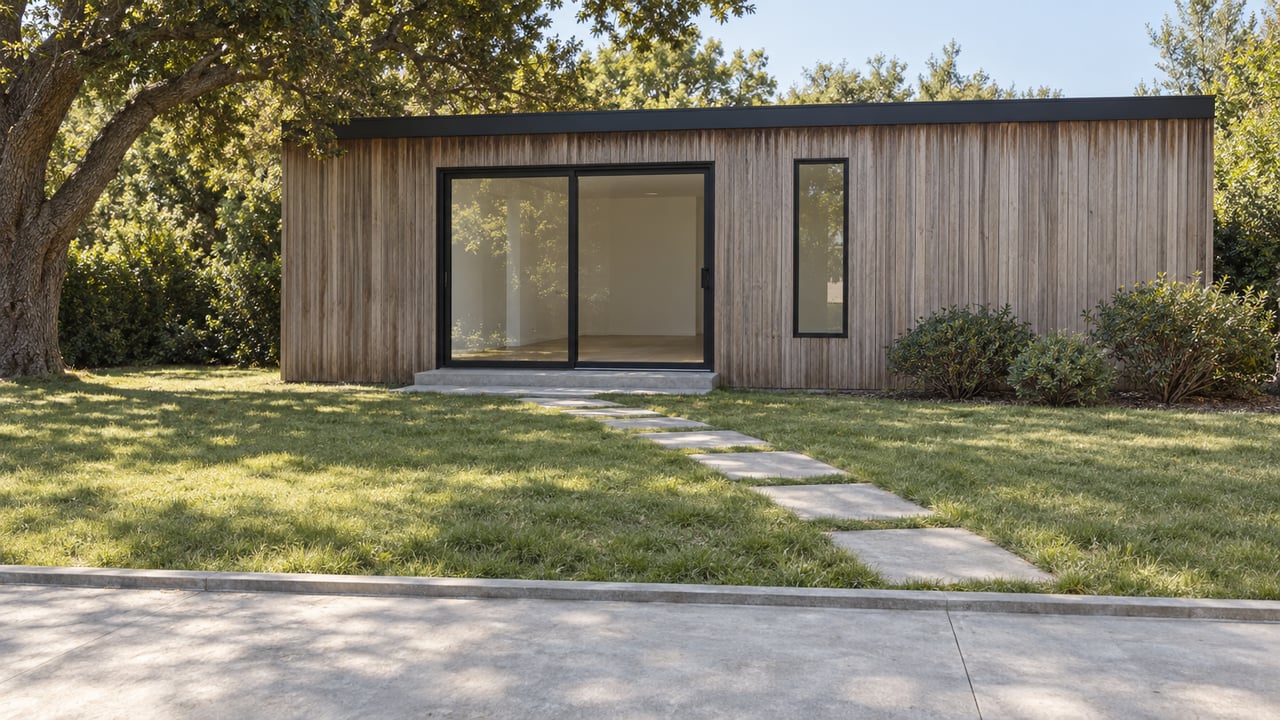
Why preparation, positioning, and buyer perception can matter as much as square footage.
Connect with Ria Rossi for trusted, tailored guidance in the East Bay luxury market. Your next chapter begins here.