Indoor-Outdoor Living In Lafayette: Home Styles That Shine
March 5, 2026
March 5, 2026
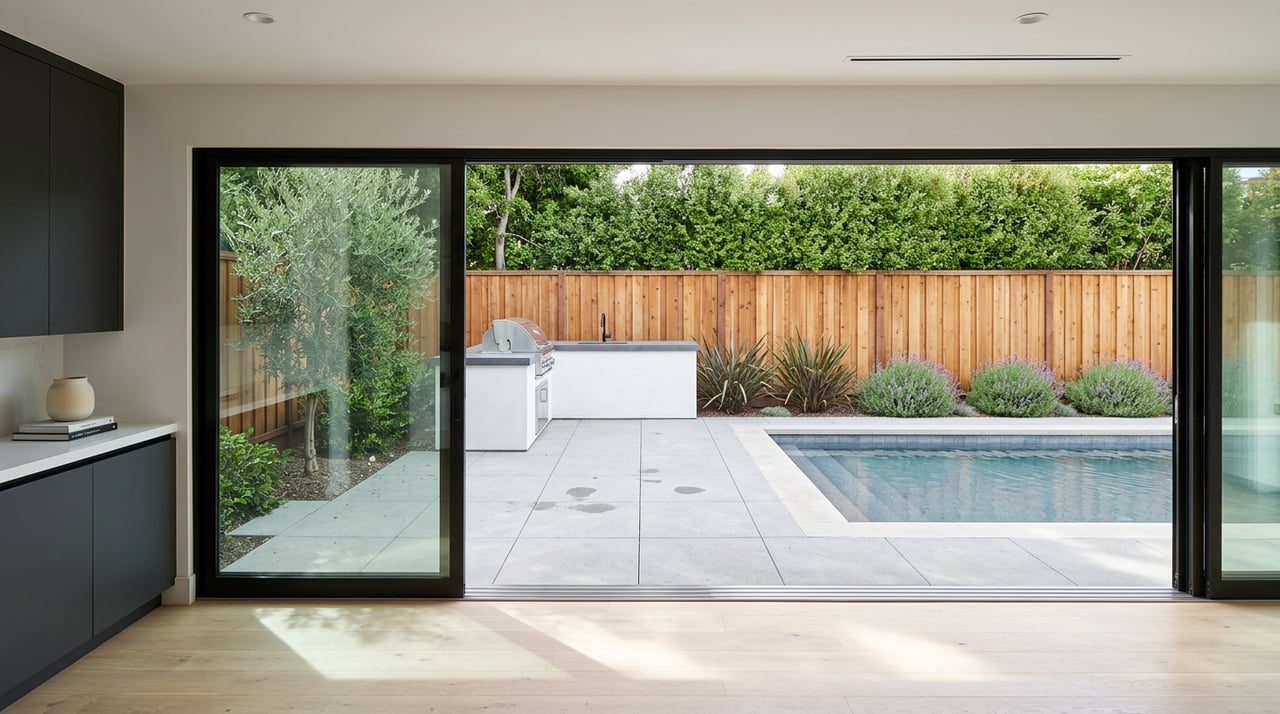
Wish your living room flowed right onto a sunlit patio or your kitchen opened to an herb garden and grill? In Lafayette, that vision fits the lifestyle and the landscape. You get warm, dry summers, varied lot sizes, and an active market that appreciates design-forward upgrades. In this guide, you will see which Lafayette home styles shine for indoor-outdoor living, the design moves that make the connection feel seamless, and the permits and resale factors to consider. Let’s dive in.
Lafayette sits on the east side of the Berkeley Hills, with rolling terrain that invites decks, terraces, and view patios. The area’s Mediterranean climate delivers warm, dry summers and cooler, wetter winters, which creates a long season for outdoor entertaining and everyday use of patios and covered rooms. You can plan for shade and airflow in summer, then add heat sources and cover for shoulder seasons. For quick background on the setting and climate, see the city’s profile and climate notes on Lafayette’s geography and weather.
Neighborhood patterns also shape what works best. Larger estate lots in areas like Happy Valley and parts of Reliez Valley tend to support full-yard programs, including pools, outdoor kitchens, and multi-zone terraces. Burton Valley and many downtown parcels often have smaller, family-oriented yards that favor compact patios, covered porches, and smart multi-use spaces. Review a local overview of lot patterns and listing language in this Lafayette neighborhood guide.
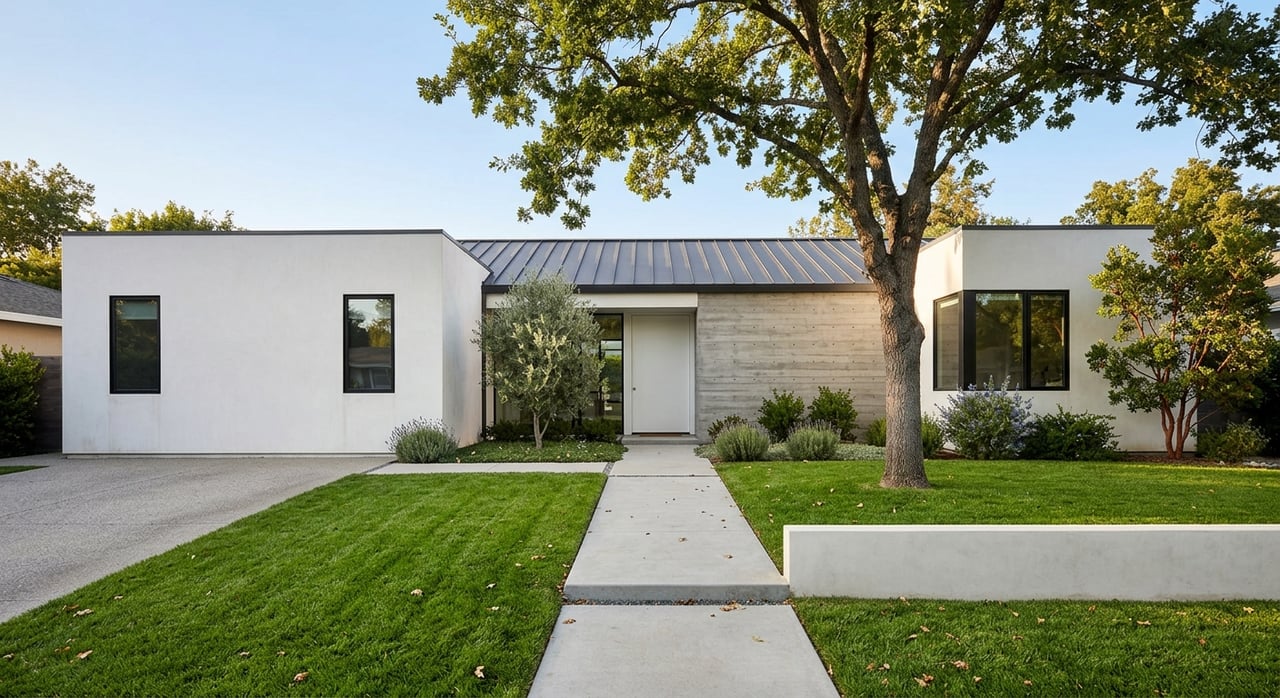
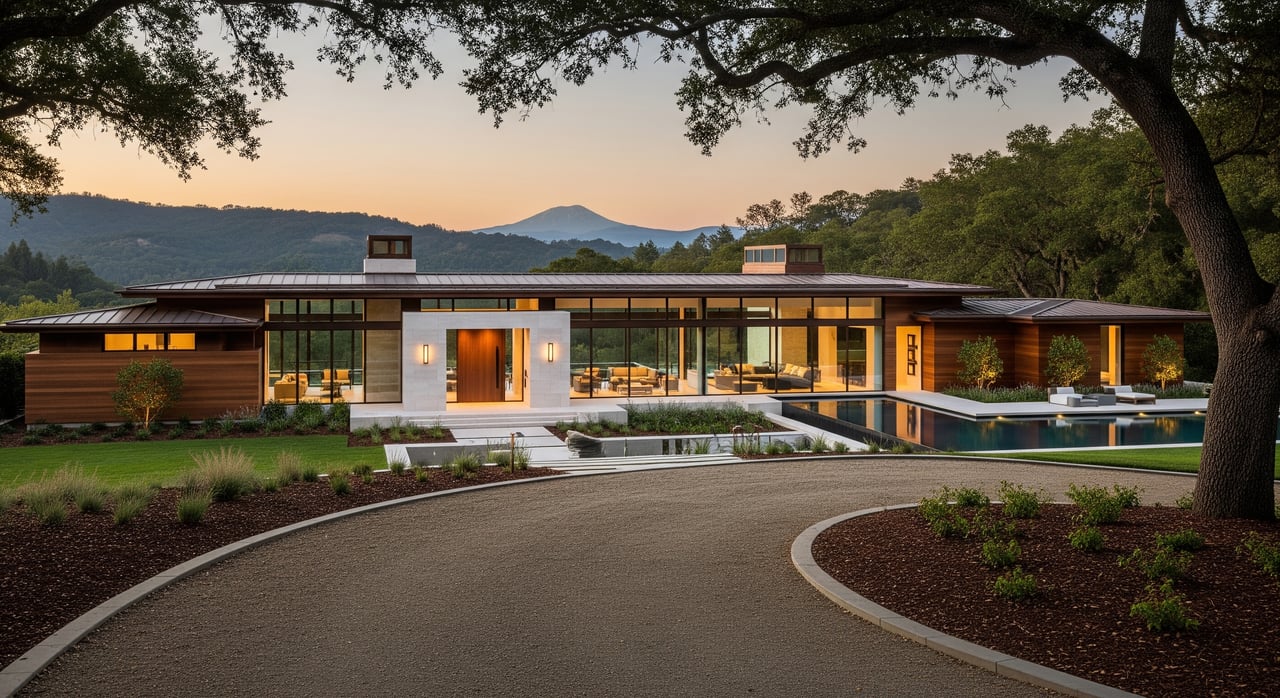
Mid-century Modern and single-story California Ranch homes are widespread in Lafayette and the Lamorinda corridor. Their long eaves, horizontal lines, and often single-level layouts make them natural candidates for wide glass doors, continuous patios, and wraparound decks. Renovations frequently open interior partitions and expand door openings to amplify flow. If you love the look, this style has a strong local following, as covered in a Lamorinda design feature on the enduring appeal of mid-century architecture.
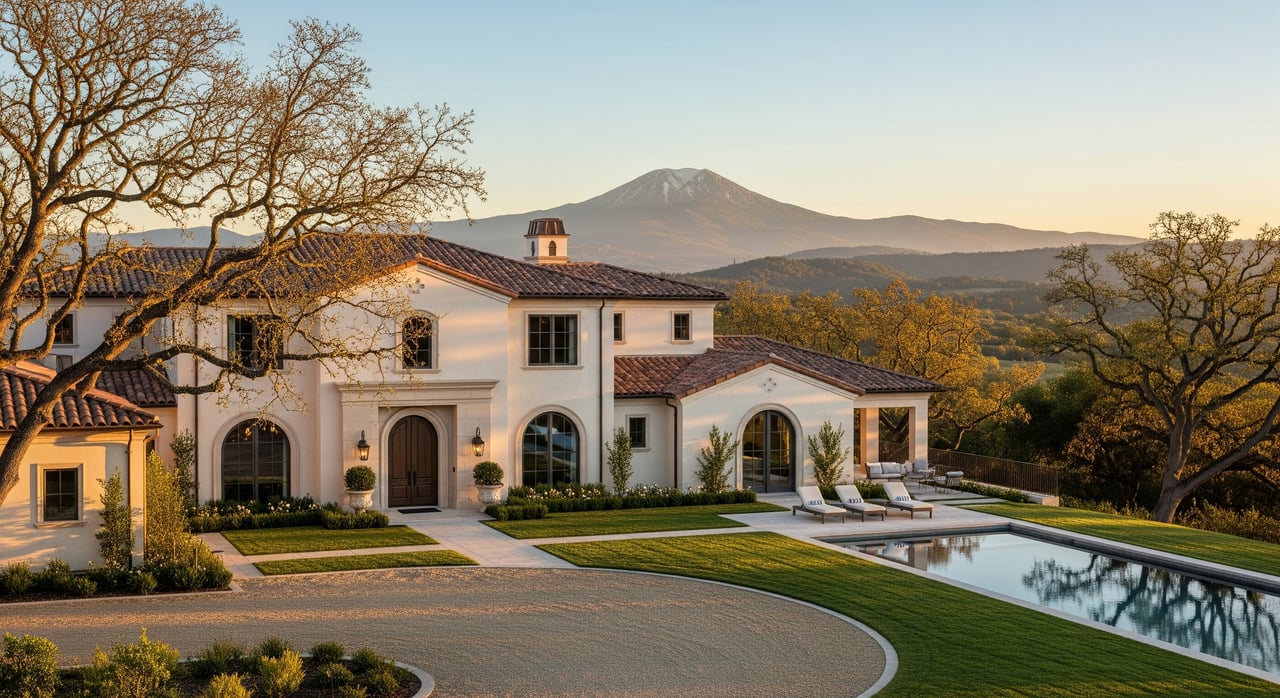
Older Mediterranean and Craftsman variants often express indoor-outdoor living through courtyards, loggias, and deep porches rather than full glass pocket walls. Think intimate outdoor rooms with tiled patios or covered porches that feel like an extension of the interior. If you prefer cozy, sheltered spaces, this approach aligns well with these styles. For neighborhood context and common listing features, skim the Lafayette local guide.
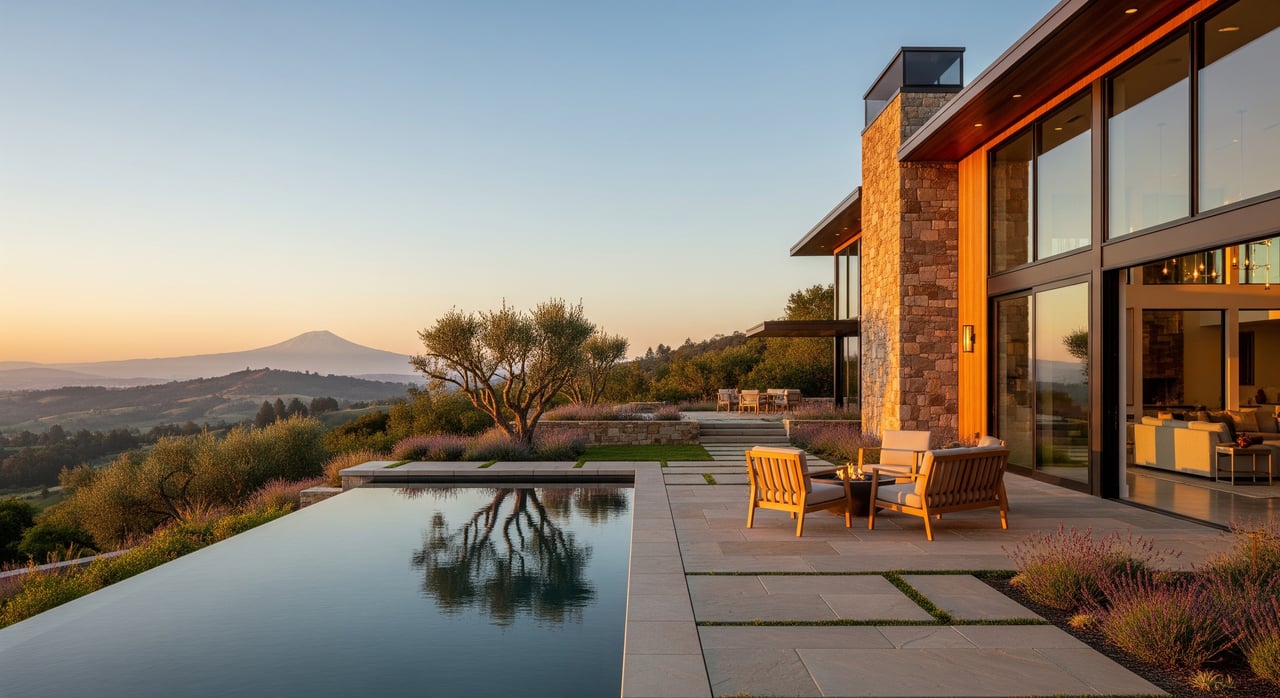
Newer custom homes and major renovations often prioritize large glazing, stacking or folding glass walls, and a roofed “California room” that acts like a second living room. On sloped lots, multi-level terraces and strategically placed seating zones help you capture views and organize the yard. If you are evaluating a hillside property, plan early for professional design and engineered solutions, then check permit triggers with the City when scope expands beyond basic patios or decks.
The best indoor-outdoor spaces come from a handful of smart, repeatable choices. Here are the moves that matter in Lafayette listings and remodels:
Lafayette encourages water-wise landscaping with drought-tolerant plant palettes, drip irrigation, and permeable hardscape. Certain landscape work requires compliance with the Water Efficient Landscape Ordinance, so confirm thresholds and submittals before you start. For current guidelines, review the City’s page on WELO compliance.
Wildfire awareness is part of thoughtful outdoor design in our hills and can influence material and plant selections. Lafayette has updated Fire Hazard Severity Zone maps, which change which areas fall under California wildland-urban interface rules and defensible-space standards. If a property is in a high or very high hazard area, you may have added disclosure and compliance steps as a seller. Check the City’s fire hazard maps and guidance as you plan.
Many outdoor improvements are straightforward. Others, especially those with utilities or structural work, need formal review. In Lafayette, projects that modify impervious area, alter grades, add pools, build retaining walls, or introduce exterior gas, plumbing, or electrical often require permits. Start by confirming scope with the City’s Planning and Building team, then align your timeline, budget, and contractor bids with the required submittals. For thresholds and contacts, visit the City’s Building Permit guidance.
A simple planning sequence can help you stay on track:
Well-planned outdoor spaces tend to boost buyer appeal in Lafayette’s design-aware market. Decks or patios with good lighting, a refreshed drought-tolerant landscape, and a modest, permitted cooking station often deliver broad appeal. High-end outdoor kitchens and pools can be standout features on larger, private lots where lifestyle expectations match the investment. Returns vary by micro-market, so compare nearby comps before you commit. For national context on what typically adds value, see this summary of outdoor upgrades and ROI signals.
Use these quick cues to align improvements with your property:
Indoor-outdoor living is part design and part planning. You want the right door system, the right cover, the right landscape palette, and the right permits in place. You also want to present the finished result beautifully when it is time to sell. That is where a boutique, design-forward approach makes a difference.
If you are considering upgrades before a sale, or searching for a home with effortless flow, let’s talk strategy, budget, and timing. With elevated listing preparation and staging, targeted marketing, and white-glove guidance from prep through closing, you can move forward with confidence. To map your next step, connect with Ria Rossi for a personalized home strategy consultation.
Stay up to date on the latest real estate trends.
Connect with Ria Rossi for trusted, tailored guidance in the East Bay luxury market. Your next chapter begins here.