The Best Neighborhoods in Alamo, CA — And How to Choose the Right One for You
August 31, 2026
August 31, 2026
Two buyers can spend a similar amount in Alamo and end up with completely different lives.
One may choose an older home beneath mature oaks with an extraordinary flat yard and room to make it their own. Another may want the social rhythm of Round Hill, a newer estate with polished finishes, or a hillside property where the view is the reason they bought it.
None of those choices is inherently better.
But they are very different.
That is why choosing where to live in Alamo should start before you compare countertops, bedroom counts, or even individual listings. The better question is: What do you want living here to feel like?
Do you want privacy or proximity? Acreage or ease? A neighborhood with a defined identity or a one-of-a-kind property? A home that is beautifully finished today, or a setting exceptional enough to justify improving over time?
Once those answers become clear, Alamo becomes much easier to navigate.
Alamo does not behave like a community of neat, interchangeable subdivisions.
It is unincorporated, neighborhood boundaries can be informal, and many of its most compelling homes are custom properties that do not belong to a traditional development at all.
That creates opportunity, but it also means buyers need to look beyond the neighborhood name.
Two homes only a few streets apart can differ dramatically in lot usability, architecture, renovation quality, road feel, utilities, insurance considerations, and how easily the property works for everyday life.
So think of the areas below as a way to narrow the search, not a substitute for evaluating the exact property.
There are parts of Alamo that can be replicated with newer construction.
Westside is not really one of them.
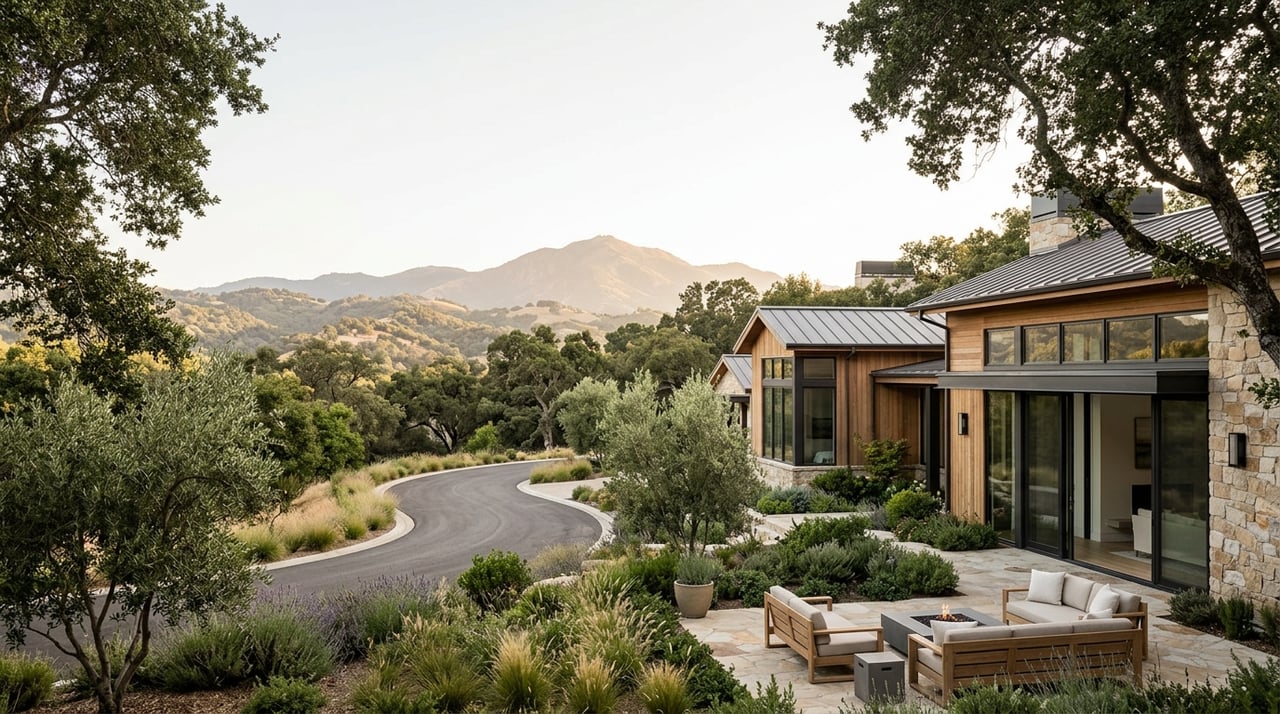
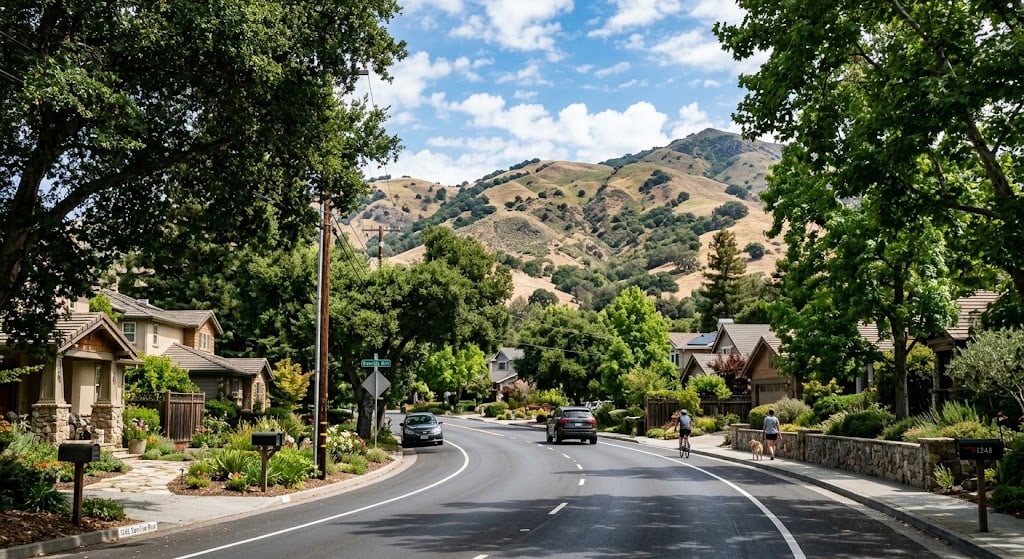
Set west of Danville Boulevard toward the Las Trampas foothills, Westside Alamo is known for mature oaks, winding roads, larger parcels, and homes that often feel collected over time rather than built from one architectural formula.
That may mean an original ranch house on a beautiful level lot. A thoughtfully expanded traditional home. A contemporary rebuild. Or a substantial estate tucked behind established landscaping.
The appeal is individuality.
The challenge is that individuality makes comparison more complicated.
An older house with an exceptional lot may be far more compelling than a beautifully renovated property on less usable land. Conversely, acreage on paper may not deliver the backyard or indoor-outdoor experience a buyer imagined.
Pay close attention to slope, sunlight, drainage, driveway access, mature landscaping, renovation history, and sewer or septic conditions where applicable.
Westside is particularly compelling for the buyer who values something that cannot easily be added later: land, character, and a sense of permanence.
For some buyers, a house is where life happens.
For others, the neighborhood becomes part of it.
That distinction is important in Round Hill.
Homes extend around and beyond the private Round Hill Country Club, with properties ranging from classic residences ready for reinvention to extensively renovated homes and larger custom estates.
For club members, the appeal can extend well beyond golf. Tennis, pickleball, swimming, fitness, dining, junior activities, and social events can create a rhythm in which recreation and community sit unusually close to home.
That convenience can be meaningful, particularly for households that would actually use it.
But “Round Hill” does not describe one uniform housing experience.
A property directly on the golf course feels different from one nearby. Some buyers love open course views. Others may prefer greater separation from golf activity, maintenance, or errant-ball exposure.
And club membership is separate from homeownership.
The question is not simply whether you like the house.
It is whether you want the Round Hill lifestyle to become part of your week.
Some buyers love Alamo but do not want the uncertainty that can accompany a much older custom home.
That is where Alamo Springs often enters the conversation.
The community is known for substantial newer luxury homes, generous lots, and a more cohesive residential environment than many of Alamo’s older areas.
You are more likely to find the features buyers now expect from modern estate living: higher ceilings, expansive kitchens, generous bedroom suites, stronger indoor-outdoor connections, and spaces designed for both everyday family life and larger-scale entertaining.
But this is also where square footage can become distracting.
A large home is not automatically a highly livable one.
Look at the relationship between the kitchen and gathering spaces. Whether rooms feel appropriately scaled for daily use. How outdoor areas are oriented. Whether the lot feels usable. And whether the craftsmanship and finish quality support the size of the home.
The best properties in this category feel substantial without feeling impersonal.
Some buyers want privacy created by the property itself.
Others want the additional definition of a gated community.
Stonegate, toward Alamo’s eastern side near the Mount Diablo foothills, and Jones Ranch Estates are among the enclaves that can appeal to buyers looking for controlled access, substantial homes, and a more formal sense of arrival.
The attraction is straightforward: greater separation from through traffic, distinctive custom properties, and an estate-oriented setting.
What should not be assumed is that "gated” automatically means newer, flatter, or easier to maintain.
Topography, architecture, and property condition still vary.
Before purchasing, review HOA documents, architectural restrictions, dues, road responsibilities, and any shared infrastructure carefully.
For the right buyer, the appeal is less about the gate itself and more about what it creates: a stronger sense of separation from the world outside it.
Driving east toward the Mount Diablo foothills, Alamo begins to feel different.
The terrain opens. Lots become more expansive. And in certain locations, the setting itself becomes one of the most valuable features of the property.
White Gate and Bryan Ranch are known for custom homes and larger parcels, with some properties offering views across the San Ramon Valley or toward Mount Diablo.
For buyers imagining a pool, substantial lawn, gardens, recreation space, guest accommodations, or other improvements, these areas can be especially interesting where the individual property and local regulations allow.
But there is an important tradeoff.
The view you fall in love with may come with a steeper driveway or less level yard. A beautiful hillside setting may introduce wildfire, drainage, or insurance considerations that matter considerably more than they appeared to in the listing photos.
In this part of Alamo, ask not only, “How much land is there?”
Ask, “How much of this land can I actually use the way I want to?”
That answer is often more important.
Luxury is not always about having more distance from everything.
Sometimes it is about removing friction from the day.
The southern portion of Alamo, including areas around Livorna Road and Stone Valley Road, can offer that balance: a residential setting with practical access toward Interstate 680, Danville, parks, schools, the Iron Horse Trail, and destinations farther south.
The housing stock varies, from established subdivisions to custom homes and larger properties.
Livorna Park is an important local amenity, with an open lawn and recreation space that supports the kind of everyday use buyers sometimes overlook when they are focused only on the house itself.
This part of Alamo can be particularly attractive when work, school, sports, and dining regularly pull a household toward Danville and the San Ramon Valley.
Because the area is broad, evaluate the exact street carefully.
Traffic sound, terrain, and ease of access can change considerably within a short distance.
A five-minute difference on a map can become a meaningful difference when you make the drive twice a day.
Not every buyer moving to Alamo wants an estate removed from everything.
Some would gladly trade a portion of the lot for easier access to the places they use every day.
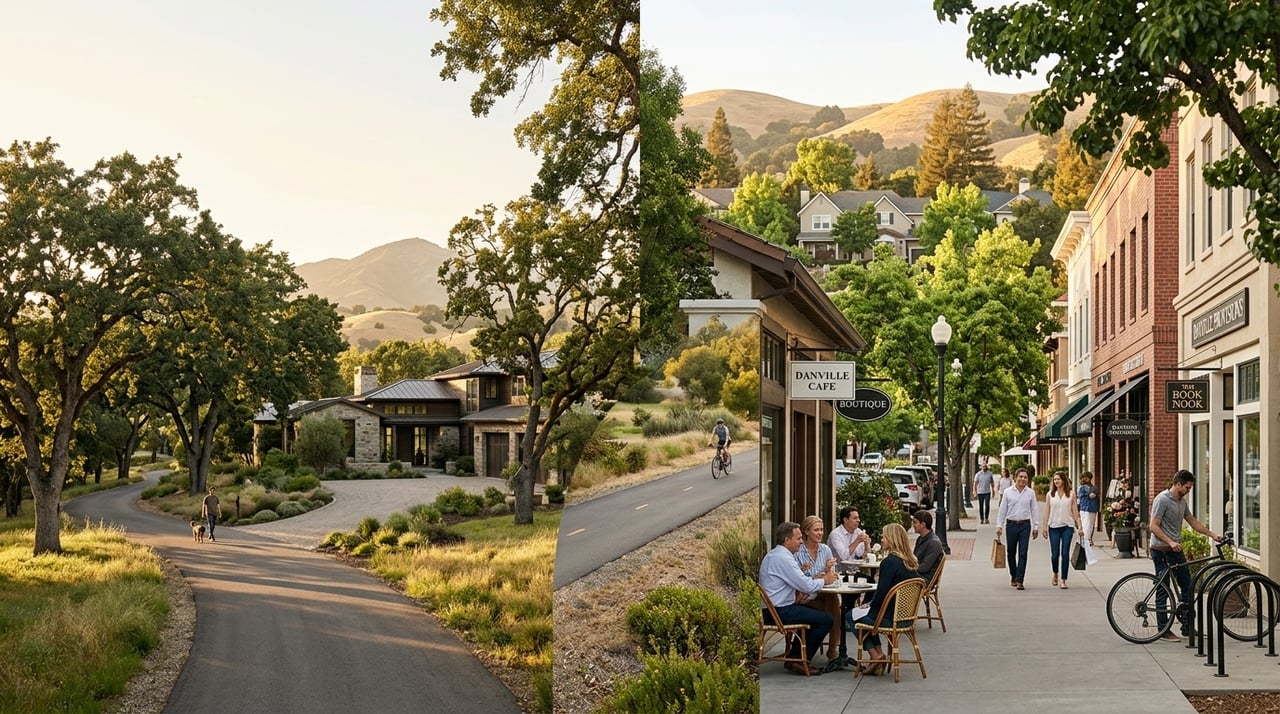
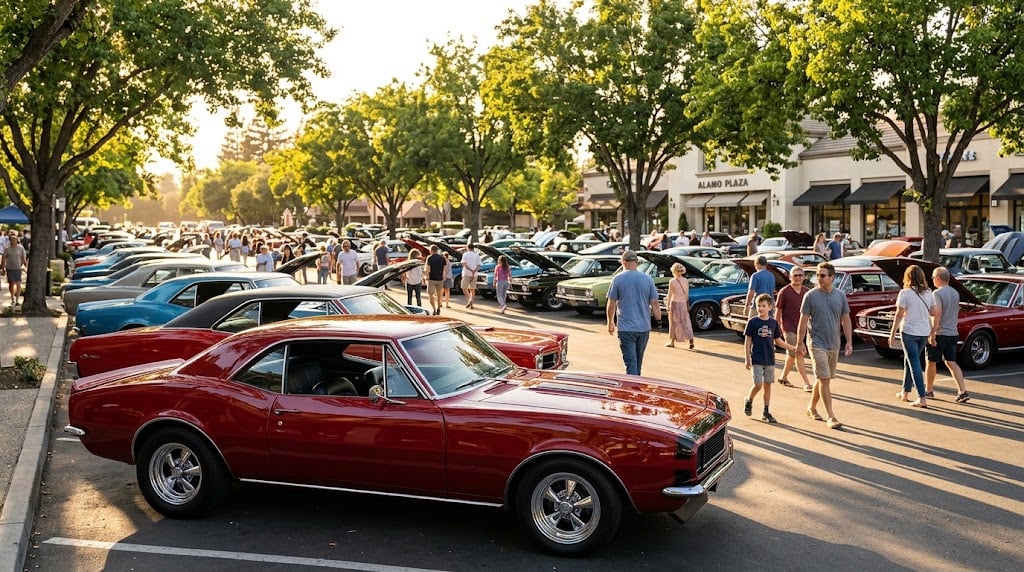
Central Alamo, including areas convenient to Alamo Plaza, Danville Boulevard, and the Iron Horse Trail, can provide a level of connection that is harder to find in Alamo’s more secluded settings.
The Iron Horse Trail is especially significant.
For nearby residents, a walk, run, bike ride, or family outing does not require getting into the car first. That sounds like a small distinction until it becomes part of ordinary life.
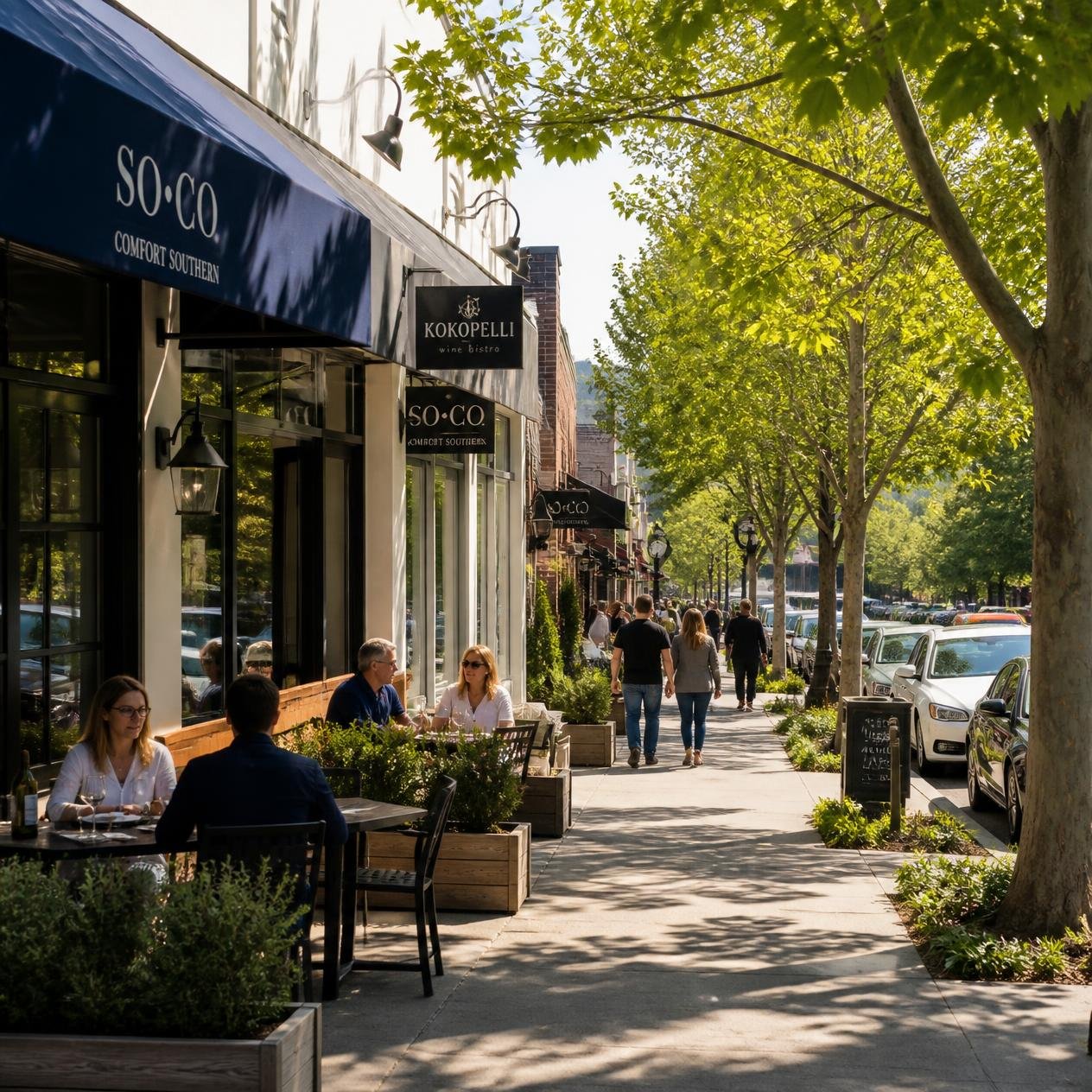
Central locations can also place buyers closer to groceries, coffee, fitness, dining, and the corridors into downtown Danville or Walnut Creek.
The tradeoff is predictable: greater convenience can mean greater exposure to traffic or commercial activity.
Do not judge that from the map.
Stand outside the house. Walk the street. Visit at a different time of day.
A centrally located property can feel remarkably quiet—or not.
Most buyers do not need to see more houses.
They need to become clearer about the tradeoffs they are willing to make.
A secluded Westside or foothill property may create more separation.
A central or southern Alamo location may make school runs, errands, trail access, commuting, and dinner in Danville considerably easier.
Neither is the “luxury” answer.
The luxury is choosing the one that actually improves your life.
Alamo offers both.
Finding both at an exceptional level is harder.
A level lot can fundamentally change how a property lives, particularly if you envision children outside, a pool, entertaining, or seamless movement from interior spaces into the yard.
An elevated property may give you the privacy and long-range outlook you cannot create through renovation.
Know which one you would regret giving up.
A beautifully renovated home can remove years of decisions and construction.
An older house on an extraordinary parcel can give you something renovation cannot manufacture.
The right choice depends on your appetite for the process.
If you are considering a project, understand the likely renovation scope before assuming “potential” automatically equals opportunity.
Round Hill may offer a social and recreational ecosystem for members.
A gated enclave creates a different kind of neighborhood structure.
Westside and other custom-home areas may feel more independent and individual.
Think beyond the architecture.
Ask how and where you naturally want to spend your time.
Large lots, mature trees, private roads, hillsides, pools, and expansive homes can be wonderful.
They also come with responsibilities.
Before removing contingencies, investigate insurance availability, wildfire exposure, drainage, utilities, sewer or septic conditions where applicable, easements, HOA obligations, permitting history, and the feasibility of future improvements with qualified professionals.
The goal is not to become afraid of complexity.
It is to understand what you are buying.
There is no single best neighborhood for every buyer.
Westside Alamo tends to appeal to buyers prioritizing character, privacy, and land. Round Hill offers a country-club-centered lifestyle for members. Alamo Springs is a strong option for buyers drawn to newer luxury homes. White Gate and Bryan Ranch offer larger foothill properties and, in select locations, views. Central and Southern Alamo can provide greater convenience and access to everyday amenities.
The better question is which neighborhood best matches your priorities.
Larger parcels can be found throughout Alamo, particularly in Westside Alamo, White Gate, Bryan Ranch, and other custom estate areas.
Do not evaluate acreage alone. Slope, setbacks, drainage, access, and the amount of truly usable land can matter more than the number on the listing.
Alamo Springs and select custom or gated communities tend to offer newer construction, although recently rebuilt and extensively renovated homes can appear throughout Alamo.
Because inventory is limited, buyers looking for turnkey homes may benefit from comparing newer construction with older homes that have already undergone thoughtful, high-quality renovations.
Homes within the broader Round Hill area surround and extend beyond the club and golf course.
Club membership is private and separate from purchasing a home nearby.
Central Alamo, areas near Danville Boulevard, and portions of the southern Alamo may offer convenient access to the Iron Horse Trail.
Actual access varies substantially by street, so map or walk the route from the specific home rather than relying on general neighborhood proximity.
They offer different experiences.
Westside Alamo is associated with mature oaks, established custom homes, larger parcels, and proximity to the Las Trampas foothills.
Eastern Alamo offers Mount Diablo foothill scenery, gated enclaves, larger properties, and potential valley or mountain views.
The better choice depends on the setting, property, and lifestyle you value most.
Alamo is primarily residential and car-oriented.
Some homes offer convenient access to the Iron Horse Trail, Alamo Plaza, parks, or other nearby amenities, but walkability varies considerably by address.
Downtown Danville and Walnut Creek provide additional dining, shopping, and cultural destinations nearby.
One of the most interesting things about Alamo is that there is no single definition of living well here.
It may be an old oak shading the terrace of a Westside home.
Children heading out on bikes near the trail.
Dinner at Round Hill on Friday night.
A perfectly level acre that becomes the center of summer.
A Mount Diablo view you still stop to look at years later.
Or simply a beautifully finished home that makes the rest of your life easier.
The address matters.
But what matters more is understanding what that address gives you every day—and what tradeoffs come with it.
That is the part of a home search a listing portal cannot answer.
Call us at (925) 708-7557 or email [email protected] and we’ll help you identify the Alamo neighborhoods that best fit your priorities, lifestyle, and long-term plans.
Less guesswork. More clarity. Better decisions, with a local Realtor who knows the market because she works in it and lives in it.
Stay up to date on the latest real estate trends.
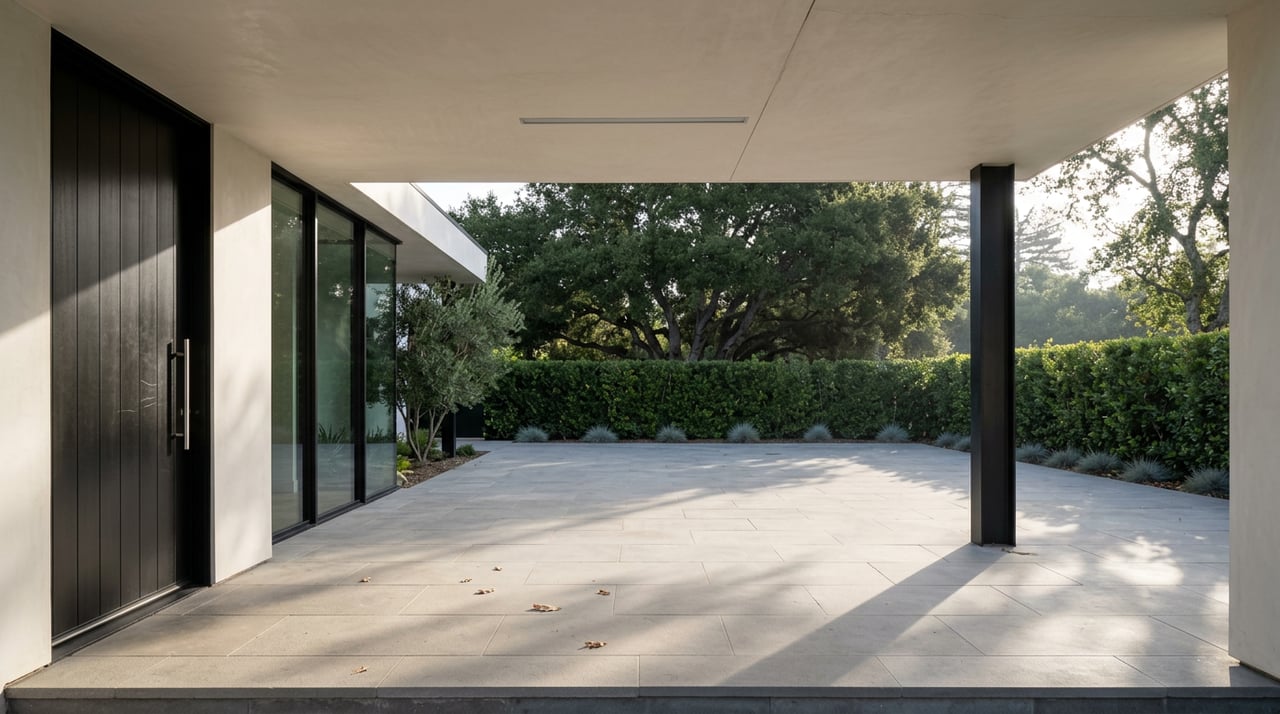
Find the Alamo Neighborhood That Fits the Way You Want to Live
Connect with Ria Rossi for trusted, tailored guidance in the East Bay luxury market. Your next chapter begins here.