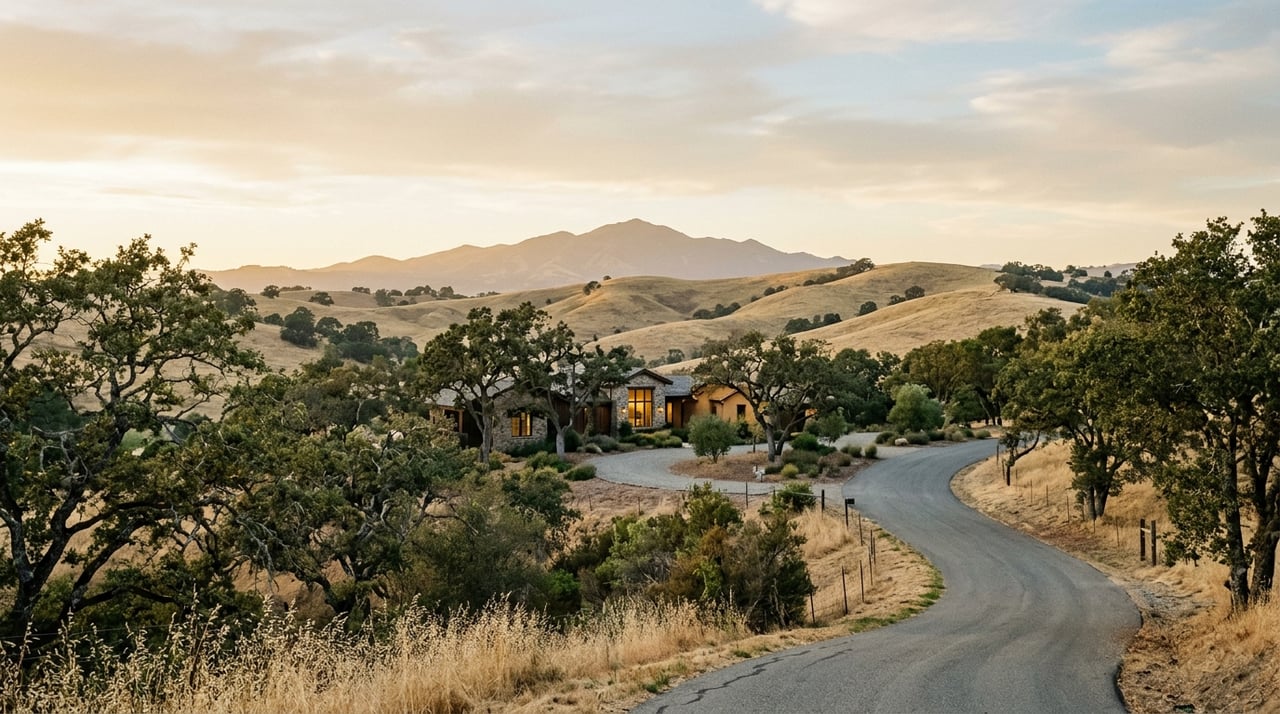
Where Should You Live in the East Bay? Alamo, Danville, Lafayette, Orinda or Diablo
Ria Rossi November 10, 2026
Ria Rossi November 10, 2026
If you are leaving San Francisco or relocating to the Bay Area from somewhere else, choosing “the East Bay” is only the beginning.
Alamo, Danville, Lafayette, Orinda, and Diablo sit within a relatively compact section of Contra Costa County, yet each delivers a distinctly different version of life. One prioritizes land and privacy. Another revolves around a genuine downtown. Two offer direct BART access. One feels almost hidden beneath mature trees. Another is a historic enclave where the country club and community developed together.
The right choice is not simply the town with the highest-ranked schools, shortest commute, or largest houses. It is the community whose setting supports the way you want to live on an ordinary Tuesday, not only the way you imagine spending a perfect Saturday.
This guide compares the five communities by lifestyle, homes, schools, commute, convenience, and tradeoffs so you can begin your East Bay home search with a clearer sense of place.
Community | What distinguishes it | Housing character | Transit and town life |
|---|---|---|---|
Alamo | privacy, | residences, | No traditional downtown or BART; convenient to Danville and Walnut Creek |
Danville | A true town center and strong community rhythm | Broad range from townhomes to custom estates | Walkable historic downtown in select areas; no in-town BART |
Lafayette | BART access, restaurants, and sophisticated convenience | Mid-century homes, remodeled residences, and private estates | Direct BART, active downtown, and Highway 24 access |
Orinda | Wooded seclusion, architecture, and proximity to San Francisco | Hillside homes, mid-century architecture, and custom retreats | Direct BART; two small commercial districts rather than one continuous downtown |
Diablo | Historic prestige, rarity, and country-club-centered living | Heritage properties and custom estates | Highly residential; driving required for most daily needs |
Alamo is the choice for buyers who want room to breathe without feeling disconnected from the rest of the East Bay.
Set between Walnut Creek and Danville, the unincorporated community is known for larger parcels, custom homes, mature landscaping, and an understated residential character. There is no traditional downtown. Alamo Plaza and businesses along Danville Boulevard handle daily needs, while residents commonly use downtown Danville and Walnut Creek for deeper dining, shopping, and services.
That arrangement is part of the appeal. Depending on the property, buyers may find a Westside ranch home near the Iron Horse Trail, a residence overlooking Round Hill Country Club, a gated hillside estate, or a newer custom home with resort-style grounds.
The Iron Horse Regional Trail passes through Alamo and becomes part of everyday life for many residents. Round Hill Country Club also serves as an athletic and social anchor for members, with golf, racquet sports, swimming, dining, and seasonal events.
Alamo is served by the San Ramon Valley Unified School District, as are Danville and Diablo, but assignments depend on the specific address. There is no BART station; commuters commonly drive to Walnut Creek BART or use Interstate 680.
Alamo is car-dependent, and the most private properties may be farther from shops, schools, and freeway access. Larger lots also bring greater landscaping, insurance, and maintenance considerations.
Danville offers something many affluent suburban communities do not: a downtown people genuinely use.
Hartz Avenue and the surrounding historic core bring together restaurants, boutiques, cafés, the farmers’ market, and community events. The town maintains a strong calendar of concerts, festivals, and public programming, and the Iron Horse Trail runs directly through the community.
Housing is more varied than in Alamo or Diablo. Buyers can consider condos and townhomes, established neighborhoods such as Greenbrook and Sycamore, character homes near downtown, larger Westside properties, newer homes farther east, and luxury estates near Diablo or Blackhawk.
That variety means “Danville” is not one lifestyle. A downtown property may put restaurants within walking distance, while a home near Blackhawk or Camino Tassajara may offer newer construction and neighborhood amenities but a longer drive to the historic center.
Danville is part of the San Ramon Valley Unified School District. It does not have a BART station, so San Francisco commuters generally drive, connect through Walnut Creek BART, or structure their schedules around hybrid work. For employment along Interstate 680 (from Walnut Creek through San Ramon and Pleasanton), the location can be highly practical.
Danville is not uniformly walkable, and daily San Francisco commuting can be demanding. Buyers should also understand the distinction between the incorporated Town of Danville and nearby communities with Danville mailing addresses.
Lafayette is often the strongest candidate for buyers who want suburban space without giving up a direct connection to San Francisco.
Its BART station, Highway 24 access, and position between Berkeley and Walnut Creek make it exceptionally well connected. Downtown Lafayette combines restaurants, coffee shops, groceries, professional services, and community events along and around Mount Diablo Boulevard. The Lafayette Reservoir and an extensive trail network add a strong outdoor dimension.
The homes are varied and often highly individual. Buyers may encounter an original mid-century ranch, a beautifully expanded property in Burton Valley, a private estate in Happy Valley, a hillside residence with views or a townhome near BART. Compared with Alamo, lots may be smaller, and homes can command a higher price per square foot because buyers are paying for proximity and access.
Lafayette elementary and middle-school students are generally served by the Lafayette School District, while high-school students attend schools within the Acalanes Union High School District. Boundaries should always be verified by address.
Lafayette feels more active than Alamo or Diablo but retains an oak-studded, semi-rural character in many residential pockets.
Highway 24 and downtown traffic can shape the day, and many homes are older, hillside-oriented, or extensively remodeled over time. Buyers should pay close attention to drainage, permit history, insurance, and construction quality.
Orinda feels less like a conventional suburb and more like a collection of homes tucked into the hills.
The landscape is greener, steeper, and more wooded than much of the Interstate 680 corridor. Many residences are positioned along winding roads or built into sloped parcels, producing privacy, views, and architectural individuality. Orinda is particularly known for mid-century homes, hillside retreats, and properties that feel connected to their natural setting.
The community has its own BART station, making it one of the most attractive choices for buyers who want a quieter residential life while maintaining direct access to San Francisco and Oakland. Orinda Village and Theatre Square provide restaurants, shops, a cinema, and everyday services, although the commercial experience is smaller and more dispersed than downtown Danville or Lafayette.
Orinda Union School District serves elementary and middle school students, and most continue into the Acalanes Union High School District. Assignments must be verified by address.
Orinda’s housing stock rewards buyers who appreciate design and setting over uniformity. The same characteristics also make due diligence essential: hillsides, drainage, retaining walls, trees, fire exposure, and insurance can be central to the purchase.
Flat, expansive yards are less common, and winding roads can make short distances feel longer. Many properties require more investigation and ongoing land or tree maintenance than their polished interiors initially suggest.
Diablo is not simply a more expensive version of Danville. It is a different kind of community altogether.
Located at the base of Mount Diablo, the unincorporated enclave was established in the early 1900s and contains only a few hundred homes. The historic Diablo Country Club remains central to its identity, and the community includes heritage residences, custom estates, and mature grounds and streets that feel removed from ordinary suburban development.
Contra Costa County reports a population of approximately 900. A local services district provides security and maintains roads, culverts, bridges, and a pedestrian and equestrian path (another distinction from incorporated Danville).
Inventory is extremely limited. A few transactions can shift annual pricing statistics dramatically, so citywide medians are less instructive here than property-specific history, land, architecture, condition and relationship to the club.
Diablo falls within the San Ramon Valley Unified School District. It has no commercial center or BART station; residents rely on Danville and nearby areas for most daily services.
Opportunities appear infrequently, and buyers have fewer direct comparisons when evaluating value. Club membership is separate from homeownership and should be investigated directly. Insurance, emergency access and the responsibilities attached to older estate properties also deserve early attention.
These communities all occupy the upper end of the Contra Costa County market, but their headline medians can be misleading.
Recent 2026 market data placed Alamo’s three-month median above $3 million, Lafayette near $1.9 million, Danville near $1.8 million and Orinda near $1.7 million. Diablo’s very small sales pool makes a short-term median especially volatile.
Those figures do not mean comparable homes cost the same. Alamo’s median reflects larger lots and estate sales. Lafayette buyers may pay more per square foot for BART access. Orinda’s value turns sharply on lot usability, architecture and condition. Danville includes a wider housing range, while Diablo has too little turnover to reduce to one meaningful number.
For a relocating buyer, it is more useful to compare what the same budget buys in each community than to compare citywide medians.
For regular travel to San Francisco, Orinda and Lafayette have the clearest advantage because both have BART stations and direct Highway 24 access.
For Walnut Creek, San Ramon, Pleasanton or other Interstate 680 employment centers, Alamo, Danville and Diablo may be more convenient. Alamo also sits close enough to Walnut Creek for a drive-to-BART routine.
The true answer depends on where you work, how many days you commute and when you travel. Test the route at the hour you would actually leave home. A commute that feels easy at noon may change the entire residential decision at 7:45 a.m.
Begin with the experience you want your home to create.
Choose Alamo if land, privacy and understated estate living lead the list.
Choose Danville if you want the strongest combination of community programming, restaurants, housing variety and a town center.
Choose Lafayette if San Francisco access, BART and everyday convenience carry the greatest weight.
Choose Orinda if you want direct transit paired with wooded seclusion and architectural character.
Choose Diablo if history, country-club life and the rarity of the setting matter more than walkability or inventory choice.
Then pressure-test the decision against schools, commute, insurance, maintenance and the property itself. The right community on paper is not necessarily the right street—or house.
Lafayette and Orinda have BART stations. Alamo, Danville and Diablo do not; residents commonly drive or connect to stations such as Walnut Creek.
SRVUSD serves Alamo, Danville and Diablo, along with other nearby communities. Lafayette and Orinda use separate elementary and middle-school districts and are served at the high-school level by Acalanes Union High School District. Verify every assignment by exact address.
Alamo and Diablo are particularly known for larger parcels and estate properties. Danville also contains larger Westside and custom-home settings, while Lafayette and Orinda offer estate lots in select neighborhoods.
Both offer direct BART access. Orinda is geographically closer; Lafayette may offer a broader downtown and different housing options. The better choice depends on the precise home, access to the station and the lifestyle you prefer.
Online research can tell you which communities have BART, larger lots or a walkable downtown. It cannot fully communicate the difference between waking up beneath Orinda’s trees, walking into downtown Danville, opening the doors to an Alamo backyard, living near Lafayette’s restaurant corridor or settling into a historic Diablo estate.
That distinction becomes clear only when you experience the communities in relation to one another and evaluate the individual properties within them.
Ria Rossi of Compass helps buyers compare Alamo, Danville, Lafayette, Orinda and Diablo at the level that matters: neighborhood character, property quality, daily logistics and long-term value. If you are considering a move to the East Bay, the right first step is not choosing a ZIP code. It is defining the life you want the home to support.
Market conditions, school boundaries, transportation and community services can change. Buyers should verify current information with the appropriate agencies and obtain property-specific professional guidance before making a purchase.
Stay up to date on the latest real estate trends.

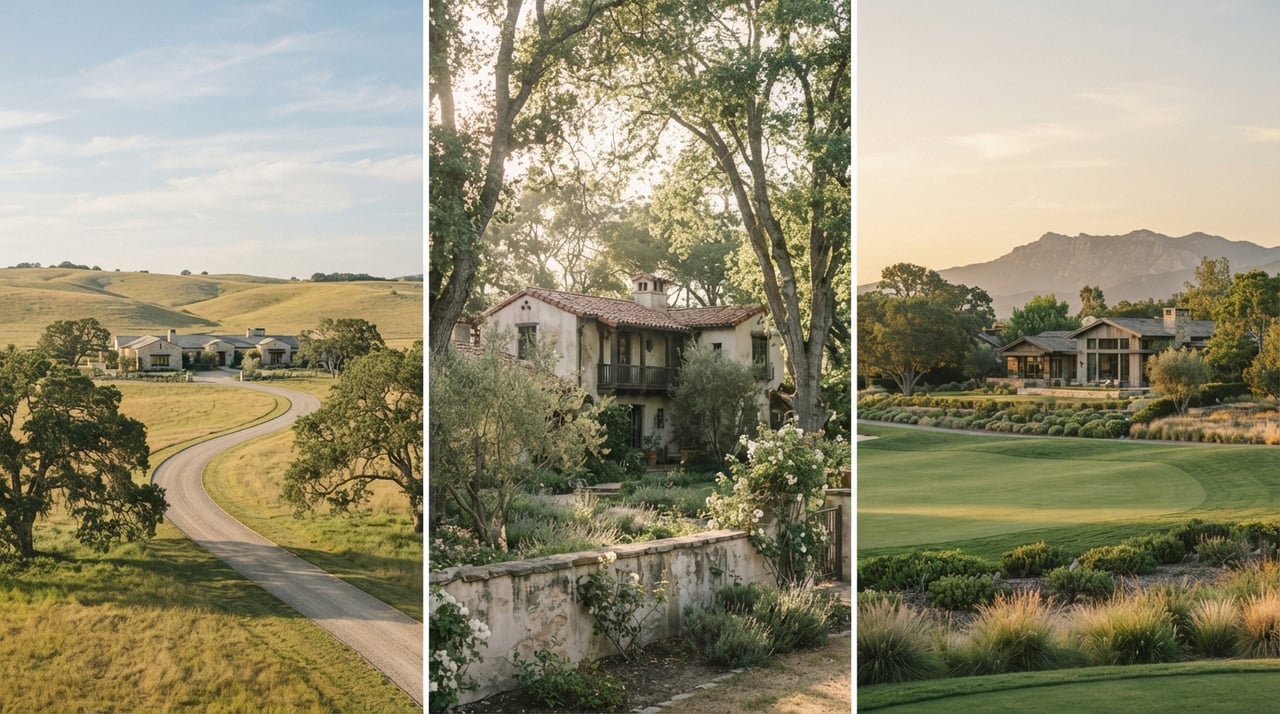
Alamo is luxury with freedom. Diablo is luxury with history. Blackhawk is luxury with structure.
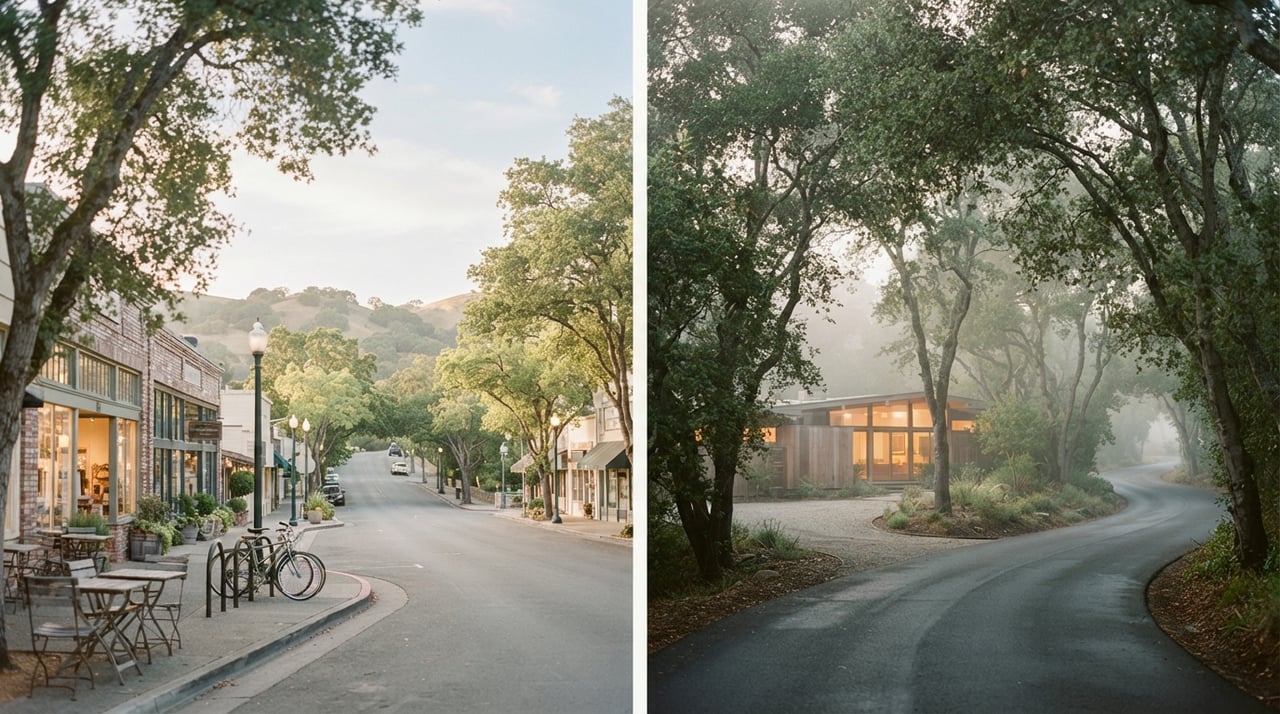
One BART stop apart, two very different ways to live. A local’s guide to choosing between them.
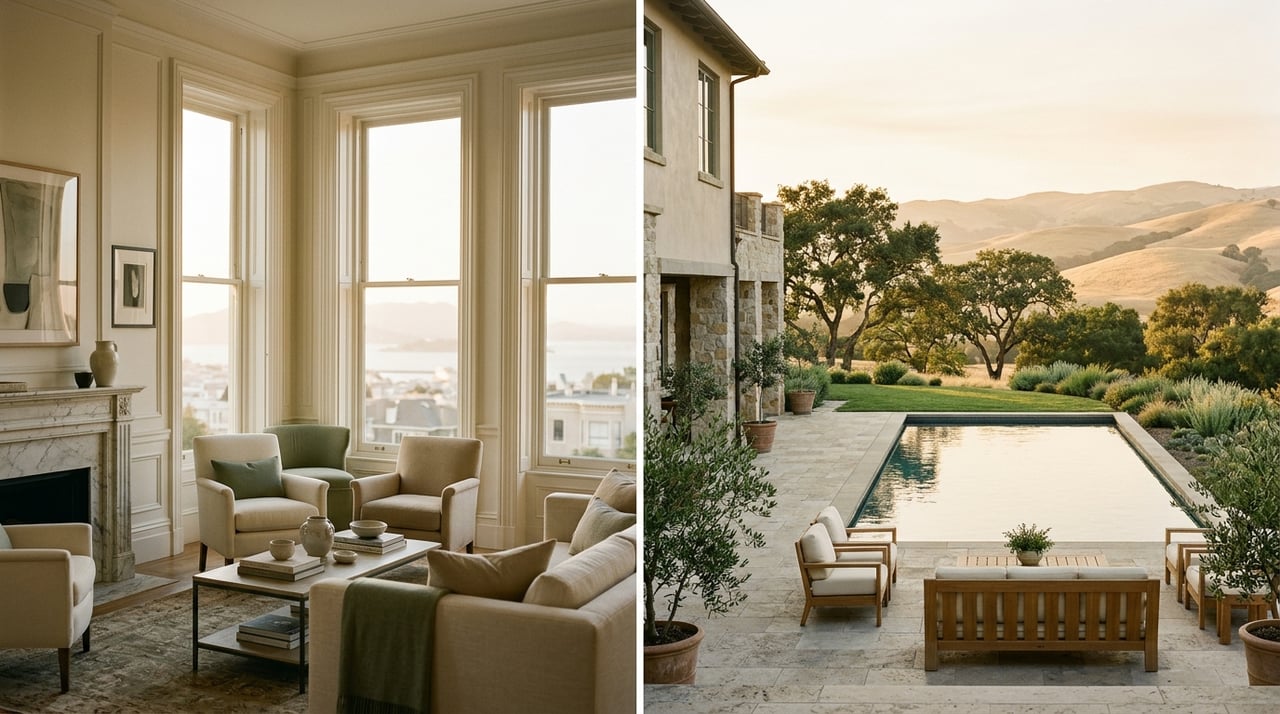
In the city, you buy the address. Across the Bay, you buy the land around it.
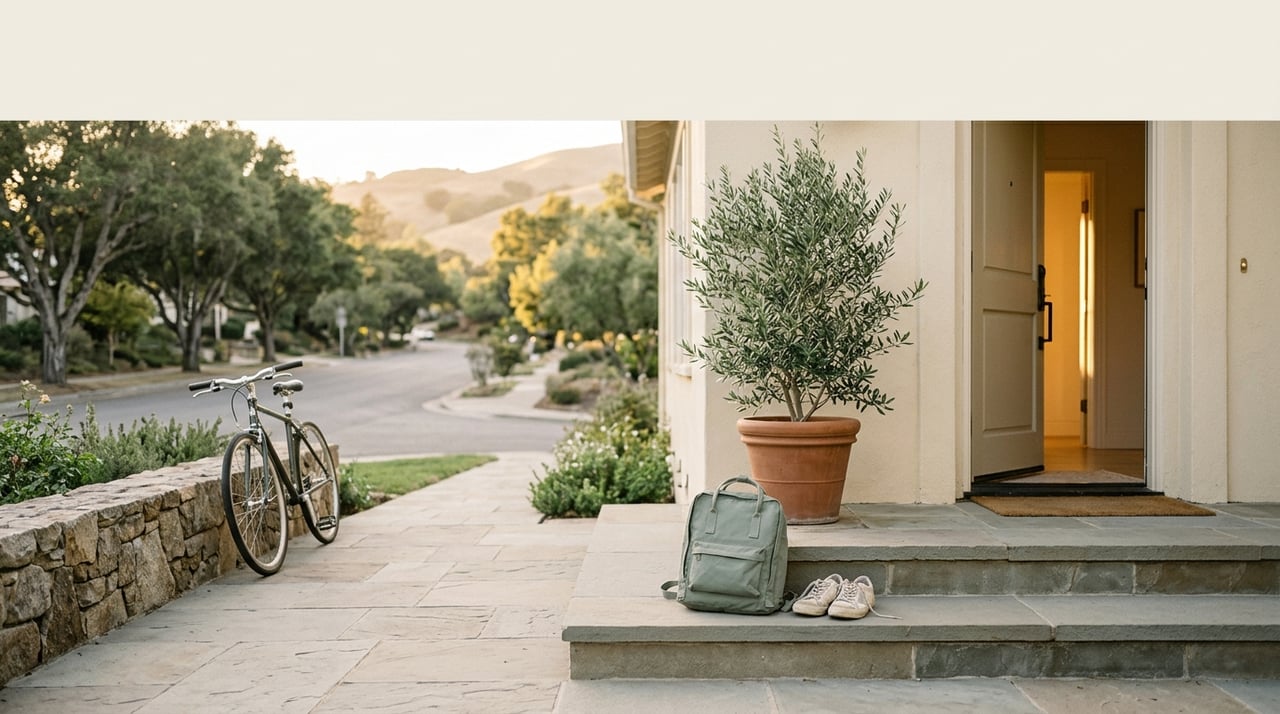
The morning drop-off is the easy part. Choose the home that makes the afternoon work.
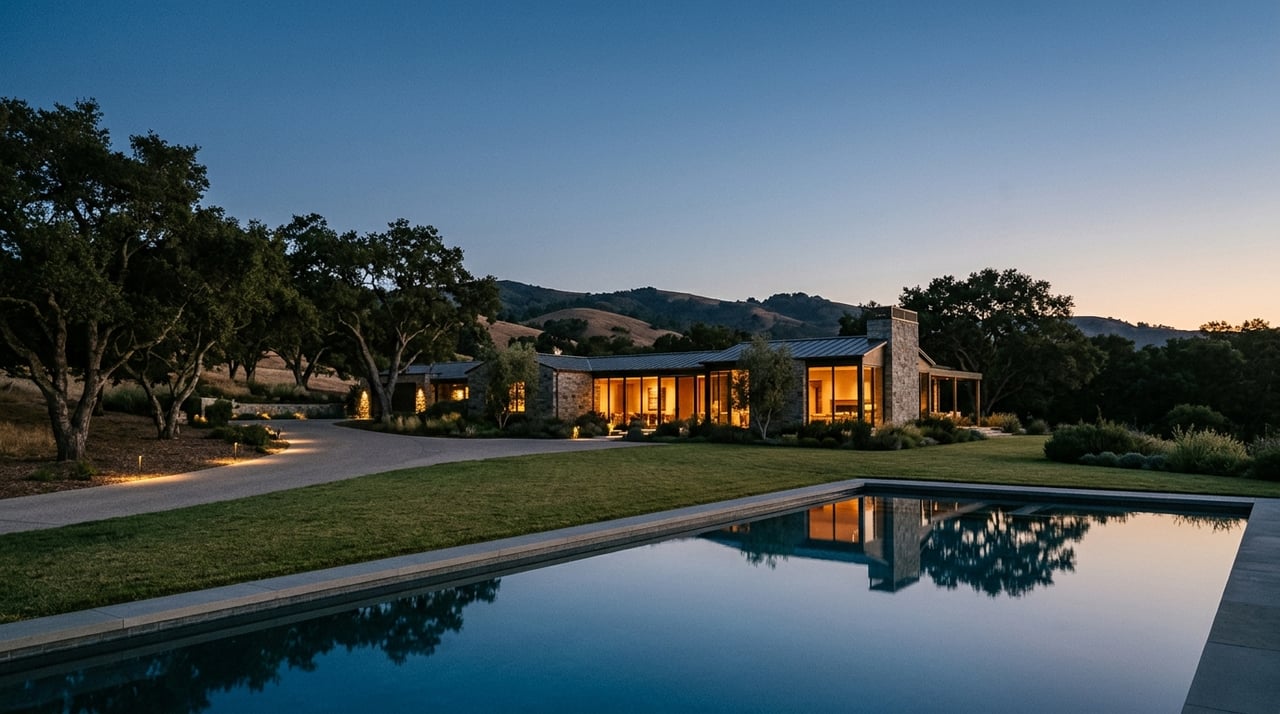
At $5 million, you buy a home. At $10 million, an estate. At $15 million, something the market may not offer again.
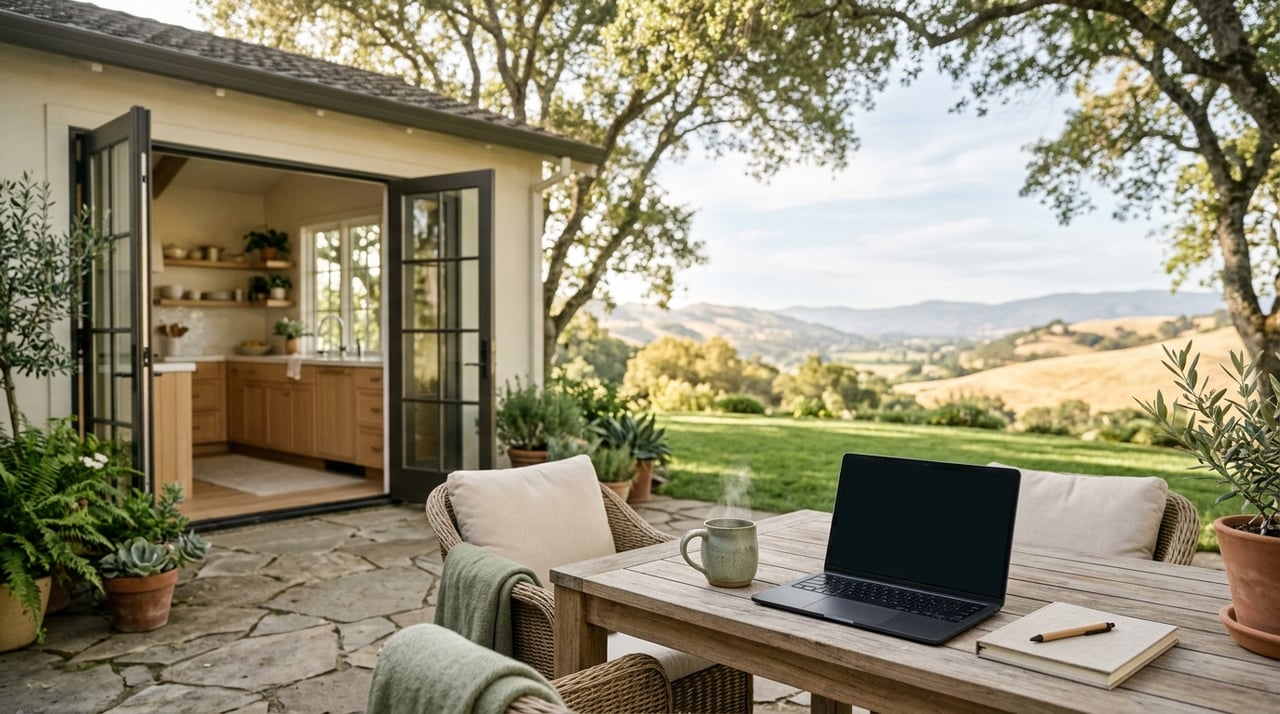
You’ll give up some spontaneity. What you gain is margin.
Five communities, minutes apart. The right one is the one that fits your ordinary day.
Connect with Ria Rossi for trusted, tailored guidance in the East Bay luxury market. Your next chapter begins here.