Moving from San Francisco to the East Bay: Your New Daily Life
Ria Rossi November 11, 2026
Ria Rossi November 11, 2026
At some point, the conversation changes.
You stop asking whether you can find another bedroom in San Francisco and start wondering what life could feel like with a yard, a home office, quieter mornings, and enough room to host the people you love.
Then come the harder questions.
Will you miss walking everywhere? Will dinner become less spontaneous? Will you still feel connected to San Francisco? Will the move give you more freedom or simply replace city inconveniences with suburban ones?
Moving from San Francisco to the East Bay is not only a real estate decision. It is a change in rhythm. Life becomes less concentrated outside your front door and more centered around your home, your neighborhood, and the routines you choose intentionally.
For many people, that change feels like an exhale. For others, it takes adjustment. Here is what life in communities such as Alamo, Danville, Lafayette, Orinda, and Diablo actually feels like after the move.
In San Francisco, the city often functions as an extension of the home. The café becomes the office. The park becomes the backyard. Restaurants become the dining room when friends gather. You may live in less space because so much of your life happens beyond it.
In the East Bay, the home itself begins to hold more of that life.
The kitchen can accommodate ten people without anyone standing in a hallway. Children can move between the family room and backyard. A guest room can remain a guest room rather than doubling as an office. You may have space for a gym, pool, garden, playroom, wine room, or separate accommodations for visiting family.
This shift is particularly meaningful for people who work remotely or on hybrid schedules. When home is also the place where you work, exercise, recharge, and entertain, square footage alone is not enough. Light, privacy, outdoor access, and the relationship between rooms begin to matter more.
You are not simply buying a larger house. You are bringing more of your life home.
One of the most immediate differences is the morning rhythm.
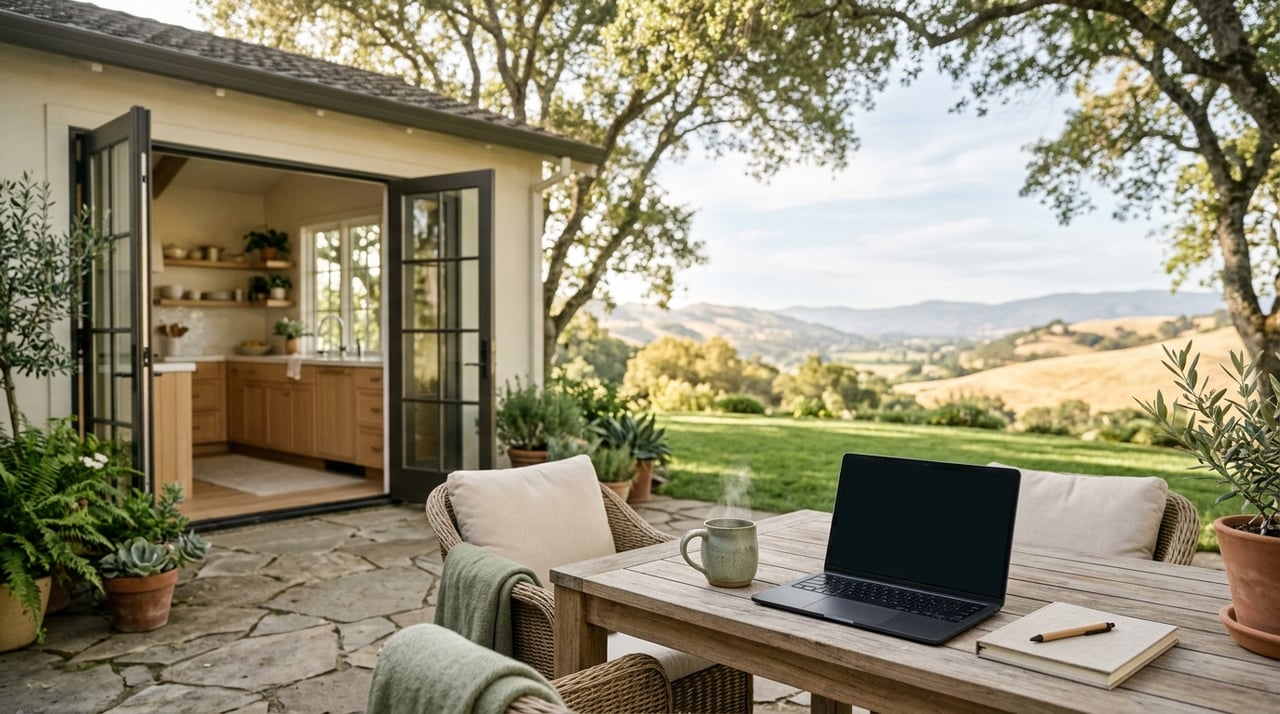
The physical environment is often quieter. You may wake to birds, trees, and natural light rather than buses, construction, and street activity. There is room to drink coffee outside, walk a neighborhood loop, or get a workout in without crossing the city.
But East Bay mornings can require more planning. School drop-off, activities, and errands may involve driving. If two children attend different schools, the route can shape the entire household schedule. A home that looks close to a campus on a map may feel very different during the morning rush.
For commuters, location matters enormously. Lafayette and Orinda have their own BART stations, creating a relatively direct connection to San Francisco. Alamo, Danville, and Diablo do not. Residents commonly drive to Walnut Creek BART, commute by car, or arrange their workweek around fewer in-office days.
The trade is straightforward: the morning may feel more peaceful, but it generally works best with a plan.
If you currently walk to coffee, dinner, school, and the market, your relationship with the car will change.
How much it changes depends on the community and the exact address.
Living near downtown Lafayette, downtown Danville, Orinda Village, Theatre Square, or the Iron Horse Trail can preserve meaningful walkability. Some residents can reach coffee, restaurants, recreation, or BART on foot. A hillside estate or private Alamo property creates an entirely different routine.
This is why a town’s overall walkability score tells only part of the story. A home three blocks from Hartz Avenue feels different from one ten minutes into the hills. A Lafayette house near BART creates a different week from an estate in Upper Happy Valley.
You may drive more for errands, but many destinations become easier once you arrive. Parking is usually simpler. A grocery trip can be completed without carrying bags uphill or circling the block. Children’s activities, home projects, and larger purchases become more manageable.
The car becomes part of the routine, but it does not have to define the lifestyle if you choose the location carefully.
San Francisco does not disappear from your life. You simply become more intentional about when you go.
Instead of crossing the city casually for dinner, you may choose one evening and make a plan. You might take BART from Orinda or Lafayette, drive in for a meeting, or stay later because the trip is no longer spontaneous. Work commitments, favorite restaurants, arts, friendships, and professional networks can all remain part of the equation.
What often changes is the feeling that you must use the city constantly to justify living there.
When your home provides space, beauty, and restoration, staying in can feel like the better option. Friday night may become dinner outside by the pool. Sunday morning may begin on a trail instead of in line for brunch. Friends from the city may visit and stay rather than leave after dinner.
Some people miss the constant proximity. Others discover that they enjoy San Francisco more when they are choosing it rather than navigating it every day.
The East Bay will not duplicate San Francisco’s density of restaurants, bars, and cultural experiences. You may no longer have ten excellent dinner choices within six blocks. Late-night options are thinner, and the evening rhythm generally ends earlier.
But the dining landscape is far from empty. Downtown Danville and Lafayette both support strong restaurant scenes. Walnut Creek adds a deeper collection of dining, shopping, and entertainment. Orinda offers a smaller group of local favorites, while Oakland and Berkeley remain accessible from Lamorinda.
Social life may become more home-centered. Larger kitchens, outdoor dining areas, and guest rooms make hosting easier. Dinner shifts from finding a table for eight to opening a bottle around the island.
The move can make social life less spontaneous but more personal.
In San Francisco, access to parks and the waterfront is one of the city’s great privileges. In the East Bay, outdoor life takes a different form.
Trails, hills, and open space become woven into the weekly routine. The Iron Horse Regional Trail runs through Alamo and Danville, connecting residential areas with downtown destinations. Las Trampas, Mount Diablo, the Lafayette Reservoir, and the Lafayette-Moraga Regional Trail offer hiking, running, cycling, and long walks close to home.
The biggest difference may be your own outdoor space. A lawn, garden, pool, or shaded patio changes how the home is used. A workday can end with a swim, and a Saturday gathering can move outside without reserving public space.
Outdoor living stops being an excursion and becomes part of the house.
San Francisco contains extraordinary communities, but they can be distributed across schools, industries, neighborhoods, and social circles. In smaller East Bay communities, local life tends to overlap more visibly.
The same people appear at the farmers’ market, school event, trail, swim club, sports field, and neighborhood restaurant. Downtown Danville’s events, Lafayette’s community programming, Round Hill traditions, local clubs, and school activities create repeated points of contact.
That can make community feel accessible, but it does not happen automatically. Connections often form through schools, activities, clubs, fitness, professional networks, volunteering, or neighborhood traditions.
The opportunity is present, but participation matters.
City children often develop an early comfort with sidewalks, transit, crowds, and navigating public space. East Bay children may gain independence through neighborhood friendships, biking, sports, trails, and spending more time outdoors.
The experience varies by address. A home near downtown Danville or central Lafayette can offer more independence, while a remote estate may require an adult driver for nearly everything.
School choice also shapes the routine. Alamo, Danville, and Diablo are primarily served by the San Ramon Valley Unified School District. Lafayette and Orinda have their own elementary and middle school districts and connect to the Acalanes Union High School District. The East Bay also offers a range of private schools, including Athenian, Bentley, Head-Royce, Seven Hills, and others.
Buyers should verify every school assignment and investigate admissions before basing a purchase on a particular educational plan.
One of the subtler changes is what happens on Saturday morning.
In the city, a weekend may begin by leaving the house to find space, nature, or quiet. In the East Bay, some of that restoration is already present when you wake up.
You may still go to a farmers’ market, meet friends for lunch, attend a game, or head into San Francisco. But you may also stay home without feeling confined. The backyard needs attention. The pool is warm. Friends are coming over. The trail is close. The children are outside.
Larger homes require maintenance, and outdoor spaces create work and social calendars that fill quickly. Yet the home can support the weekend rather than merely serving as the place where it begins and ends.
The romance of more land is real. So is the upkeep.
A larger property may bring landscaping, irrigation, trees, drainage, pool service, exterior maintenance, and higher utility costs. Hillside homes may require attention to retaining systems, access, and water movement. Properties near open space may introduce insurance and defensible-space considerations.
An East Bay home may offer greater privacy and autonomy, but it asks more of its owner. The goal is not necessarily to buy the largest property your budget allows. It is to choose the amount of home, land and infrastructure you genuinely want to manage.
The answer depends on what you are most reluctant to lose and what you most hope to gain.
Lafayette combines direct BART access, a genuine downtown, strong dining and established residential neighborhoods. It can feel like the most gradual transition for buyers who still need regular access to San Francisco.
Orinda offers BART and comparatively quick access through the Caldecott Tunnel, but its wooded hills and architectural homes feel distinctly removed from the city.
Danville has the strongest traditional downtown and an active calendar of local events. It provides more housing variety and a social center, although the San Francisco commute requires greater intention.
Alamo is less about a downtown and more about the property itself. Buyers come for larger parcels, pools, outdoor living and a quiet setting positioned between Danville and Walnut Creek.
Diablo offers a small, historic, country-club-centered environment with limited inventory. It is the least urban choice and one of the most distinctive.
You may miss walking out the door without a plan. You may miss the late dinner, the neighborhood bar, the energy of the sidewalk and the feeling that something interesting is always happening nearby.
You may also miss the anonymity of city life. Smaller communities can feel more interconnected, which is wonderful when you want belonging and less appealing when you want to disappear into the crowd.
It is better to acknowledge those losses than pretend they do not exist. The move works best when you are not asking the East Bay to imitate San Francisco.
You may gain a morning that begins more slowly. A home that accommodates work, family and guests without constant compromise. Space for children to move freely. A closer relationship with nature. A neighborhood where familiar faces begin to appear.
Most of all, you may gain margin.
Margin in the rooms. Margin in the weekend. Margin between work and the rest of life. Margin to host, think, rest and build a life that is not constantly pressing against the physical limits of the home.
That is the real appeal of the move. It is not only more square footage. It is the possibility of living more expansively.
Yes. Lafayette and Orinda have direct BART service. Buyers in Alamo, Danville and Diablo generally drive to San Francisco, connect through Walnut Creek BART or organize their workweeks around hybrid schedules. Test the actual route at your normal commute time.
Most households will rely on a car more than they did in San Francisco. The degree depends heavily on the community, neighborhood and proximity to BART, downtown, schools and trails.
None feels exactly like San Francisco. Lafayette often offers the strongest combination of BART, restaurants and walkability, while Orinda provides direct transit with a quieter, more wooded setting. Danville offers the most complete traditional town center.
Renting can be useful if school admissions, commuting needs or community preferences remain uncertain. However, buyers who understand their priorities can often learn more efficiently through focused neighborhood tours and trial commutes.
The most successful moves do not reject San Francisco. They keep the parts that still matter and create room for something new.
You can maintain the friendships, career, restaurants and cultural experiences you love while choosing a home that supports a different rhythm. The city may become a destination rather than the backdrop to every day. Home may become more than the place where you sleep between everything else.
Ria Rossi of Compass helps buyers compare East Bay communities not only by price, schools or square footage, but by the life each location makes possible. If you are considering a move from San Francisco, the most useful question is not simply, “Where should we buy?” It is, “What do we want our life to feel like when we get there?”
Transportation, school boundaries, admissions, insurance and market conditions can change. Buyers should verify current information and obtain property-specific guidance before making a purchase.mornings,
Stay up to date on the latest real estate trends.

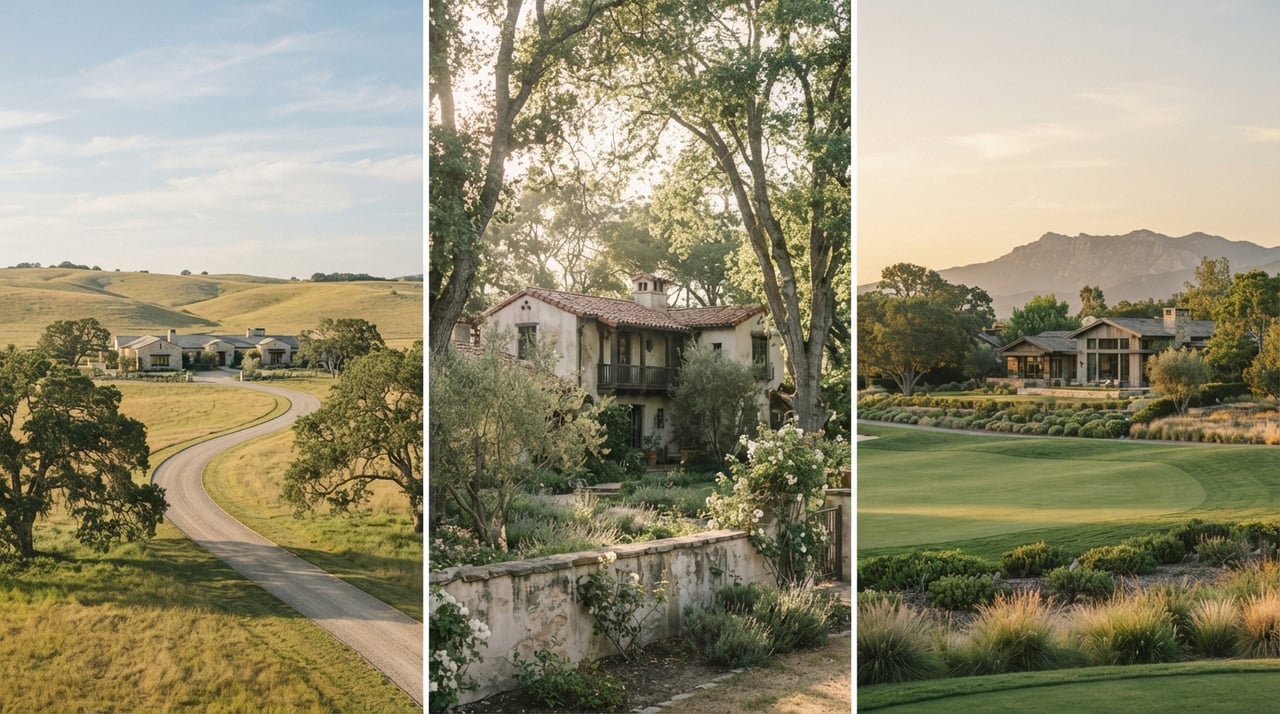
Alamo is luxury with freedom. Diablo is luxury with history. Blackhawk is luxury with structure.
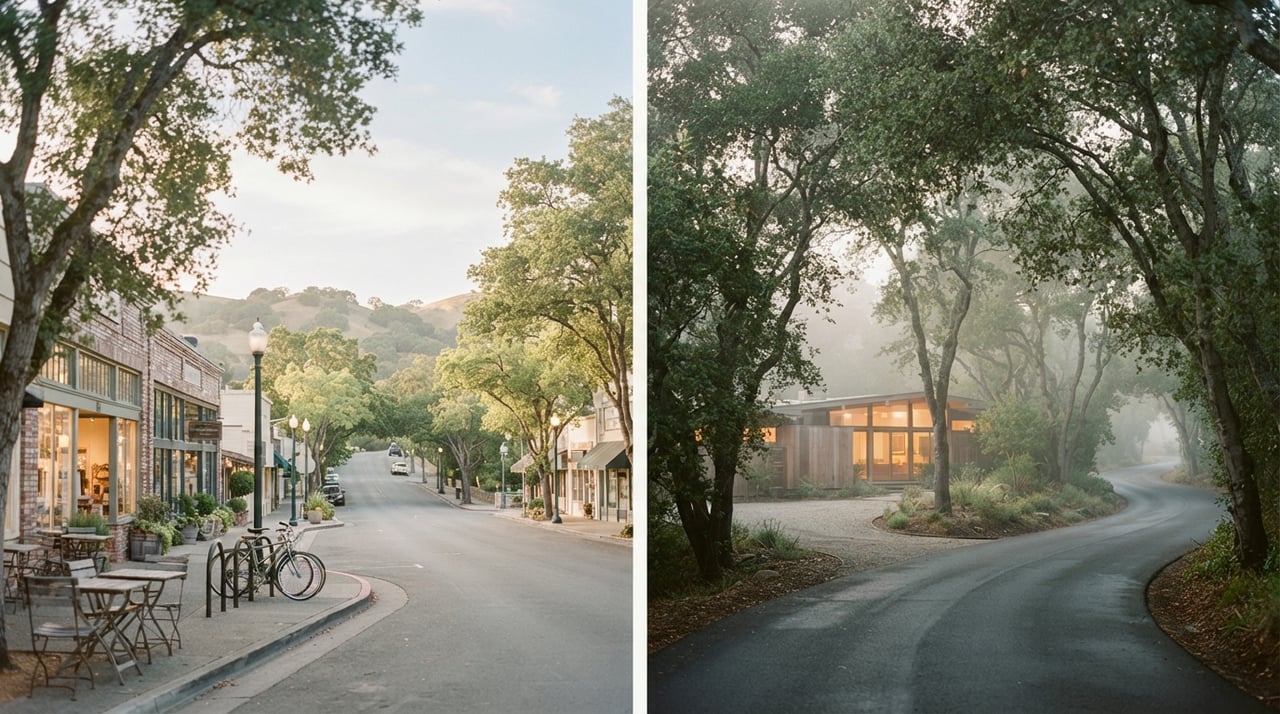
One BART stop apart, two very different ways to live. A local’s guide to choosing between them.
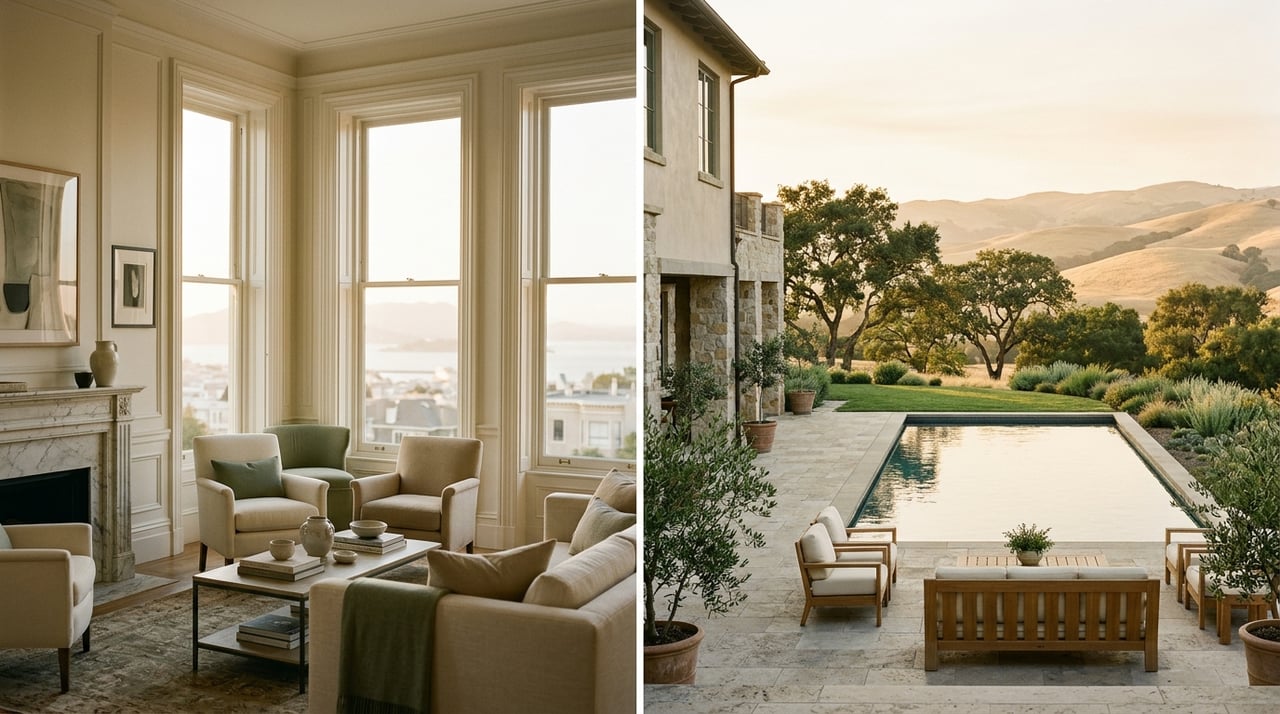
In the city, you buy the address. Across the Bay, you buy the land around it.
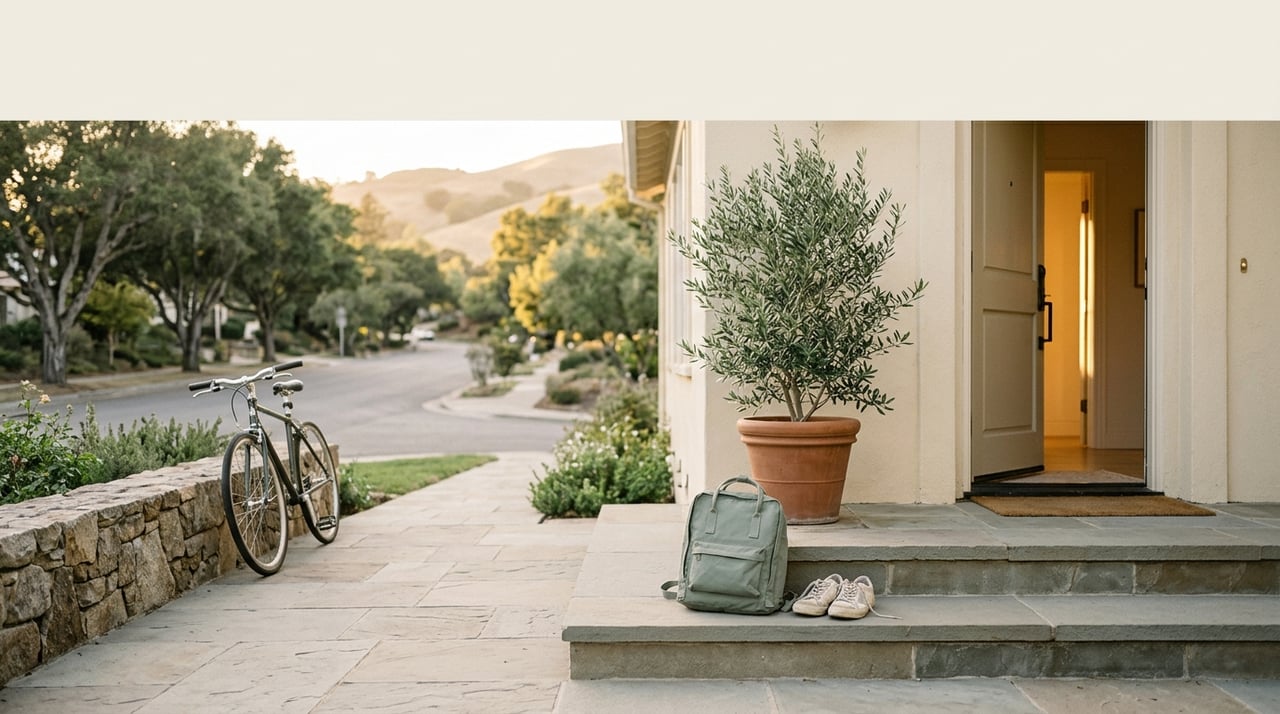
The morning drop-off is the easy part. Choose the home that makes the afternoon work.
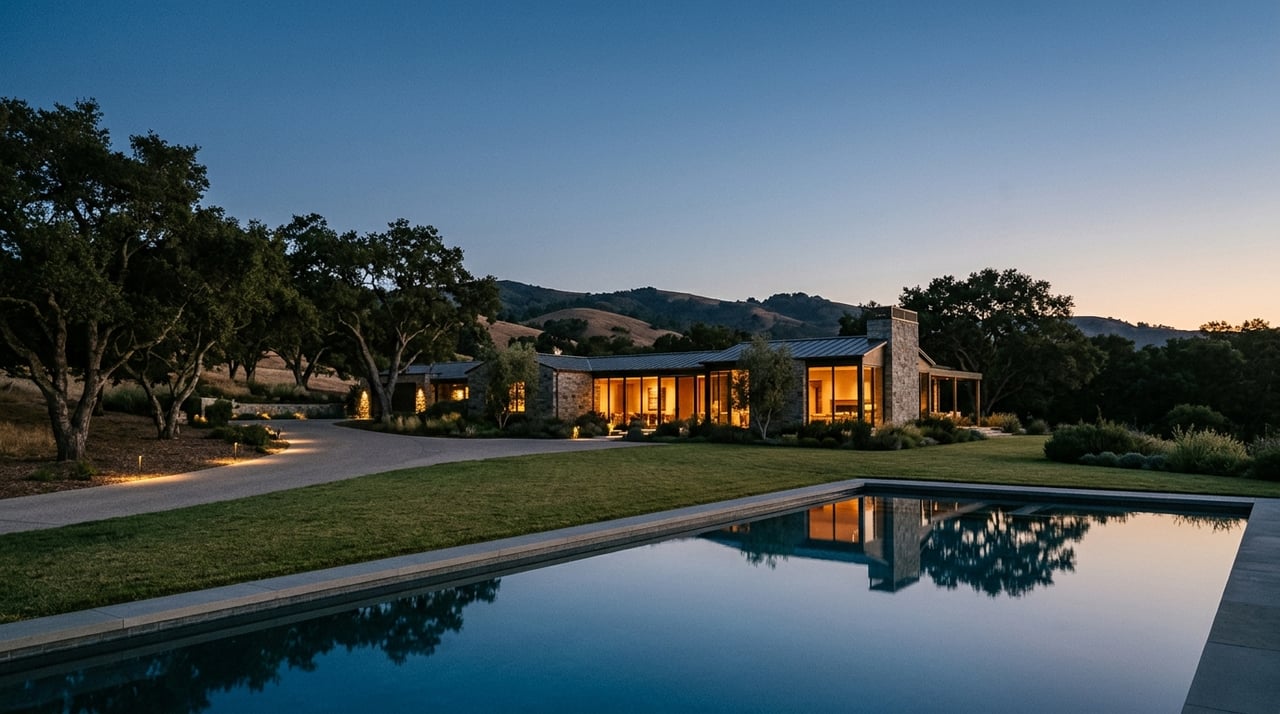
At $5 million, you buy a home. At $10 million, an estate. At $15 million, something the market may not offer again.
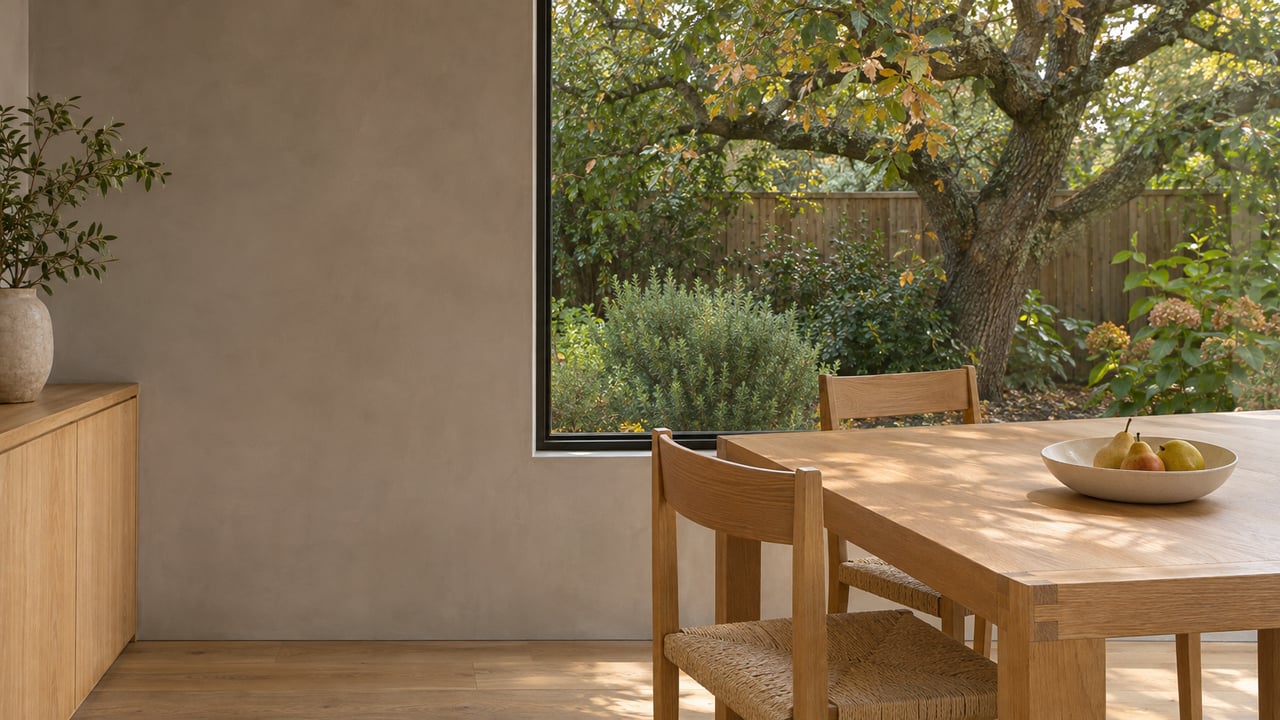
You’ll give up some spontaneity. What you gain is margin.
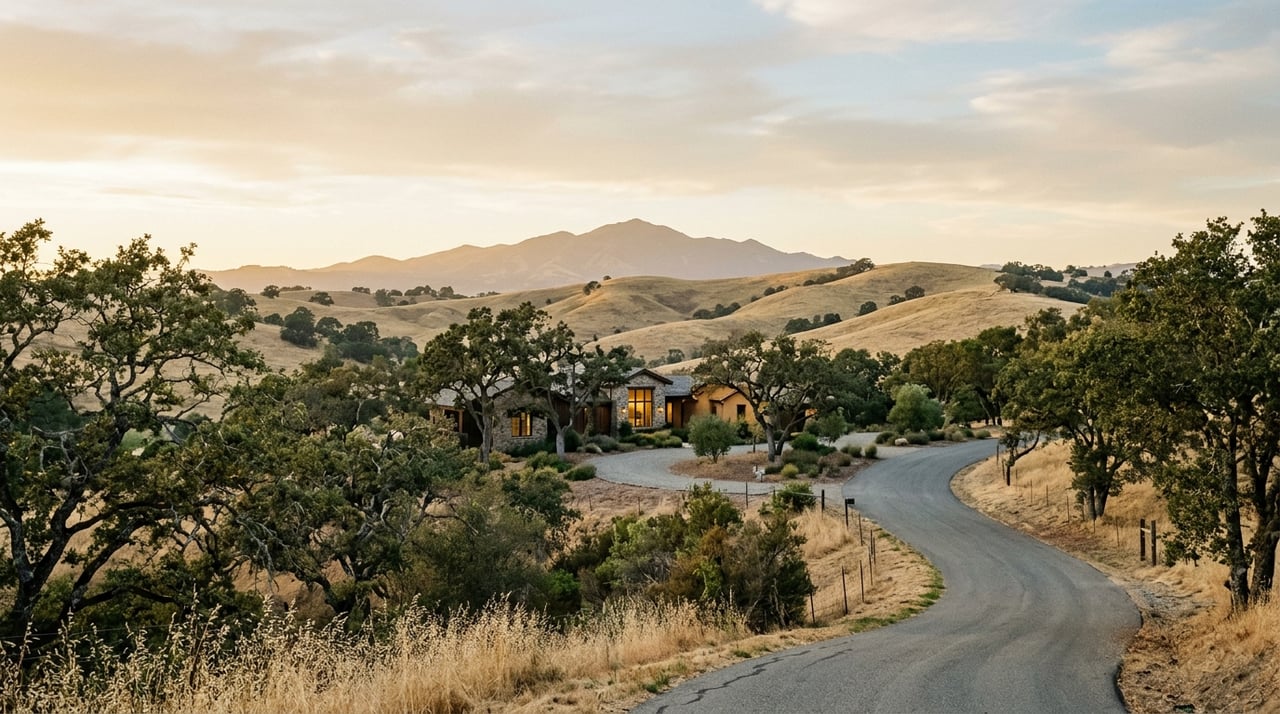
Five communities, minutes apart. The right one is the one that fits your ordinary day.
Connect with Ria Rossi for trusted, tailored guidance in the East Bay luxury market. Your next chapter begins here.