What It’s Really Like to Live in Alamo, California: A Local’s Guide
Ria Rossi August 25, 2026
Ria Rossi August 25, 2026
Alamo is one of those places that makes more sense once you understand how people actually live here.
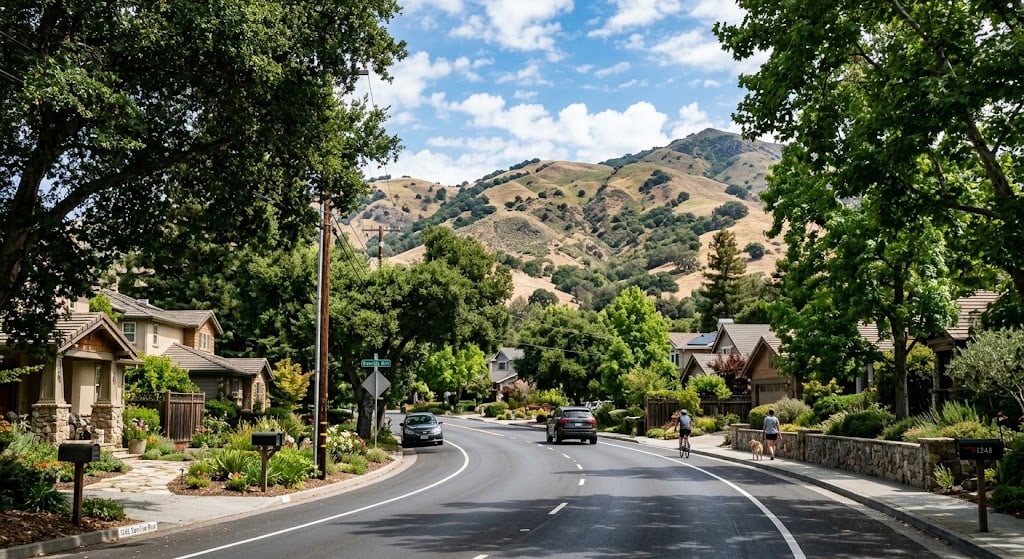
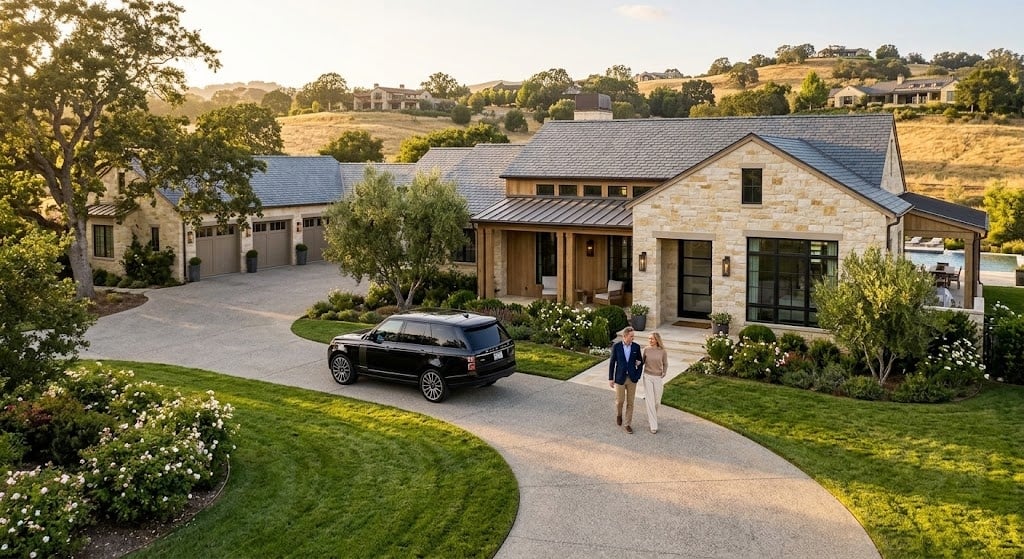
It does not have a large downtown or the density of shops and restaurants found in neighboring Walnut Creek. Its appeal is quieter: tree-lined roads, established neighborhoods, meaningful land, views of Mount Diablo, quick access to trails, and homes designed around privacy and indoor-outdoor living.
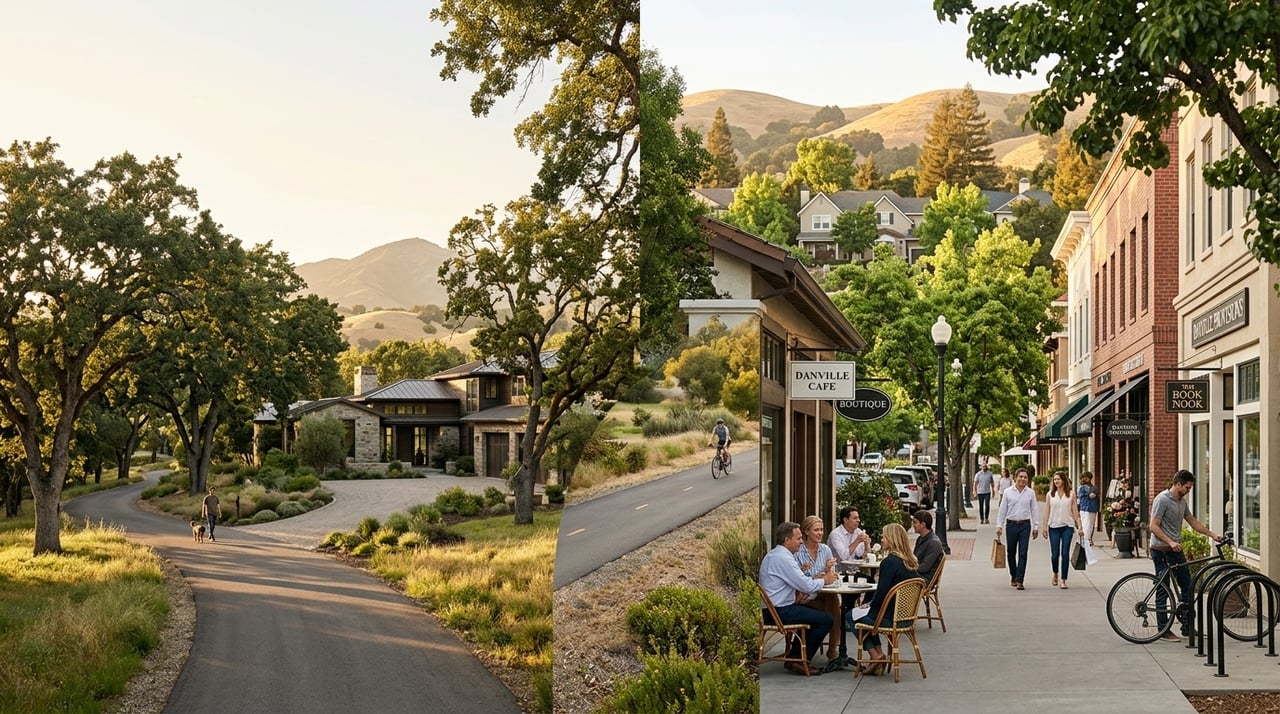
At the same time, Alamo is far from isolated. Downtown Danville is minutes to the south. Walnut Creek’s restaurants, shopping, arts, medical services, and BART access are just north. Interstate 680 connects residents with the greater East Bay and regional employment centers.
The result is a lifestyle that feels peaceful without feeling remote—estate-scale living positioned between two of the East Bay’s most active downtowns.
If you are considering moving to Alamo, here is what daily life really looks like.
Alamo is an unincorporated community in Contra Costa County, located between Walnut Creek and Danville along the Interstate 680 corridor. Because it is unincorporated, it is governed by Contra Costa County rather than its own city government.
That structure helps explain some of Alamo’s character. The community is predominantly residential, with fewer commercial areas, lower density, and a more rural, spacious feeling than many surrounding East Bay cities.
Danville Boulevard runs through the center of town, while the hills rise on both sides. Neighborhoods range from established ranch-home enclaves and country-club communities to gated estates, view properties, and custom homes on acreage. The terrain, architecture, and atmosphere can change noticeably within a short drive—which is one reason local knowledge matters when choosing where to live.
One of Alamo’s most used and defining recreational amenities is the Iron Horse Regional Trail.
The paved, multiuse trail follows a historic railroad corridor through the San Ramon Valley, connecting Alamo with Danville, Walnut Creek, and communities farther north and south.
For Alamo residents, however, the Iron Horse Trail is more than a regional map line. It functions as an everyday extension of the neighborhood.
On a typical morning or afternoon, you will see people walking dogs, running, cycling, pushing strollers, or heading toward Danville without getting in the car. For many residents, it is the easiest way to add movement and fresh air to a busy day.
The trail is relatively flat and accessible, making it useful for both recreation and practical transportation. A resident can walk for twenty minutes, train for a distance run, bike into downtown Danville, or continue north toward Walnut Creek.
That easy access to outdoor movement is one of the qualities that distinguishes living in Alamo. The trail is not an occasional destination; for many people, it is part of the weekly routine.
Round Hill Country Club is another important part of Alamo’s identity. The private club sits within the Round Hill area and is woven into the landscape as well as the social rhythm of the community.
For members, Round Hill is far more than a golf course. Its facilities include golf, 14 championship tennis courts, four lighted pickleball courts, aquatics, fitness, bocce, dining, and gathering spaces. The club’s calendar includes athletic programming alongside dinners, wine events, pool gatherings, holiday functions, and special events.
This makes Round Hill a common backdrop to weekly life for many Alamo households. A normal week might include golf, a tennis clinic, swim practice, pickleball, fitness, dinner, or children meeting friends at the pool—a place to train, dine, entertain, and connect.
The club is especially visible during holidays and milestone occasions. Seasonal celebrations, brunches, dances, and formal or informal holiday gatherings create recurring traditions against the familiar backdrop of the course and clubhouse.
Even for residents who are not members, Round Hill contributes to the visual and residential character of the area. Homes surrounding the course may offer greenbelt or fairway outlooks, mature landscaping, and a distinct country-club setting.
Membership is private and should be researched separately from the purchase of a nearby home. Living in the Round Hill neighborhood does not automatically include club membership. For buyers interested in the club lifestyle, it is worth investigating current membership categories, availability, waitlists, initiation costs, and ongoing dues directly with Round Hill.
Alamo’s outdoor lifestyle extends beyond the Iron Horse Trail.
Contra Costa County lists several local recreation spaces, including Livorna Park, Andrew H. Young Park, Hap Magee Ranch Park, and sports fields associated with Alamo and Rancho Romero schools. Livorna Park includes a gazebo, bocce courts, a play area, a walking and jogging path, and space used for seasonal concerts and movie nights.
Hap Magee Ranch Park, near the Alamo-Danville border, offers lawns, walking paths, picnic areas, and play spaces for gatherings or an easy hour outside.
For a more rugged experience, Las Trampas Wilderness Regional Preserve offers thousands of acres of ridgelines, hiking and equestrian trails, and a genuine sense of escape close to the 680 corridor. The preserve is steep and more demanding than the Iron Horse Trail, making it better suited to a real hike than a casual neighborhood walk.
Mount Diablo State Park is also within easy reach, with hiking, cycling, horseback riding, picnic areas, wildlife viewing, and expansive vistas. Together, these open spaces give Alamo residents options ranging from a flat morning walk to a challenging weekend climb.
Alamo is intentionally residential, but everyday errands do not require leaving town.
Alamo Plaza is the community’s principal shopping center, with more than 200,000 square feet of grocery, retail, dining, fitness, wellness, and service businesses. It functions as the practical center of daily life: groceries, coffee, a workout, personal services, casual meals, and quick errands.
There are also restaurants and neighborhood businesses along and near Danville Boulevard. Alamo’s local dining scene is smaller than Danville’s or Walnut Creek’s, but that is part of the tradeoff residents choose: convenience for everyday needs without a heavily commercial atmosphere.
When people want more options, they generally head a few minutes north or south.
Downtown Danville brings the walkable main-street experience that Alamo itself does not try to provide.
Hartz Avenue and the surrounding streets offer restaurants, cafés, boutiques, salons, fitness studios, and community events in a polished but approachable setting. The year-round Danville Farmers’ Market is held on Saturdays near the Museum of the San Ramon Valley, making it easy to pair fresh produce with breakfast, coffee, or lunch downtown.
For many Alamo residents, Danville is the natural choice for a relaxed dinner, weekend brunch, shopping, or an evening out. It feels distinct enough to be a destination but close enough to become part of ordinary life.
The Iron Horse Trail also provides a car-free connection, allowing walkers and cyclists to travel between Alamo and downtown Danville.
To the north, Walnut Creek offers a larger and more urban set of amenities.
Broadway Plaza alone includes more than 80 retailers and specialty shops, while the surrounding downtown adds an extensive restaurant scene, entertainment, fitness, professional services, and cultural destinations. Walnut Creek is also home to major medical services and a BART station, which can be important for commuters and regional access.
This proximity gives Alamo residents considerable flexibility. You can live on a quiet road with a large backyard, then be in downtown Walnut Creek for shopping, a business lunch, dinner, or a performance without giving up the privacy that drew you to Alamo.
That balance is central to the Alamo lifestyle: peaceful at home, connected when you want to be.
Alamo’s neighborhoods are not interchangeable. Each offers a different relationship to topography, lot size, architecture, trails, schools, and town.
Westside Alamo is known for an established, often more rural atmosphere, with a mix of ranch homes, renovated properties, and custom estates. Some locations offer convenient access toward Las Trampas and the west side of the valley.
Round Hill includes homes around the country club as well as surrounding enclaves, with a mix of traditional architecture, custom properties, mature landscaping, and golf-course or hillside settings.
White Gate, Bryan Ranch, Stonegate, Alamo Springs, and other pockets each bring their own character—from larger lots and gated settings to newer construction, views, or proximity to particular parts of town.
The tradeoffs are highly property-specific. A home may offer spectacular privacy but require more driving. Another may sit close to the Iron Horse Trail and daily conveniences but have less land. Some lots are level and highly usable; others achieve their views through slope and elevation.
This is why buyers should evaluate not only the house but the lived experience around it: the morning school route, drive to the grocery store, trail access, sun exposure, road noise, topography, insurance, and how the property functions throughout the year.
Alamo real estate is diverse despite the community’s luxury reputation.
Buyers will find midcentury and traditional ranch homes, single-story properties, homes built around the golf course, large custom residences from several architectural eras, newer construction, gated estates, and rare compounds on substantial acreage.
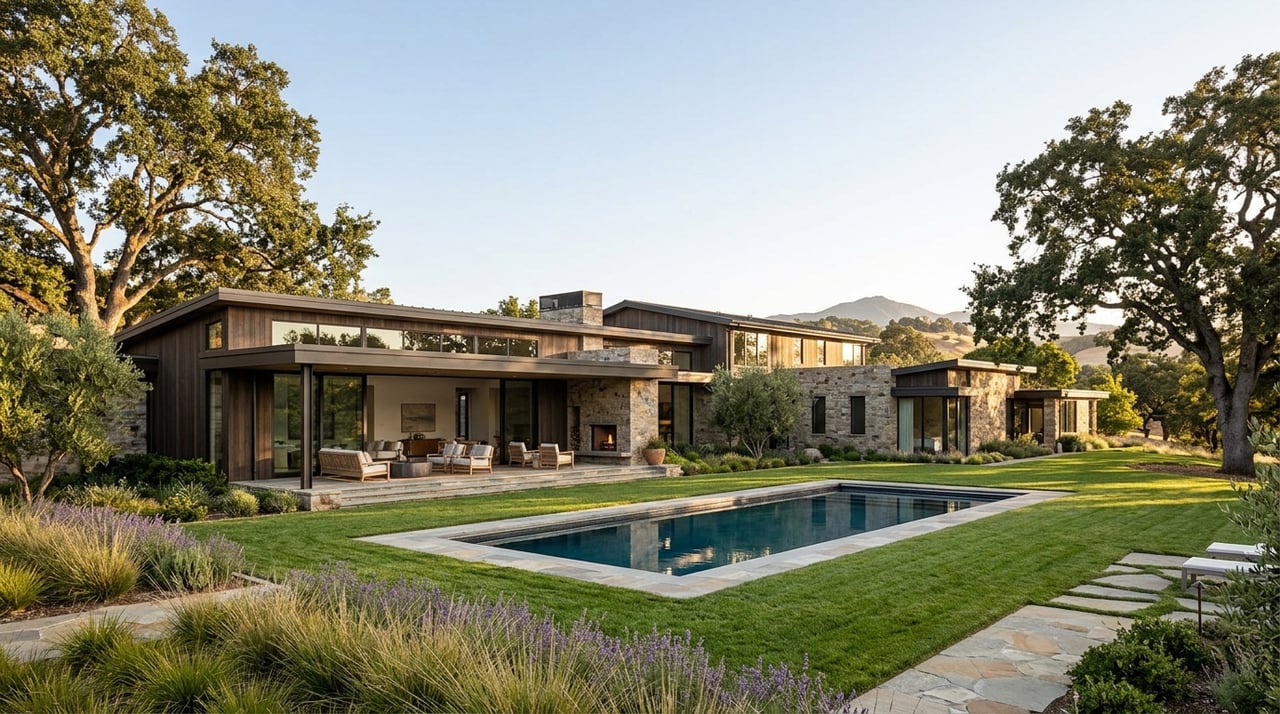
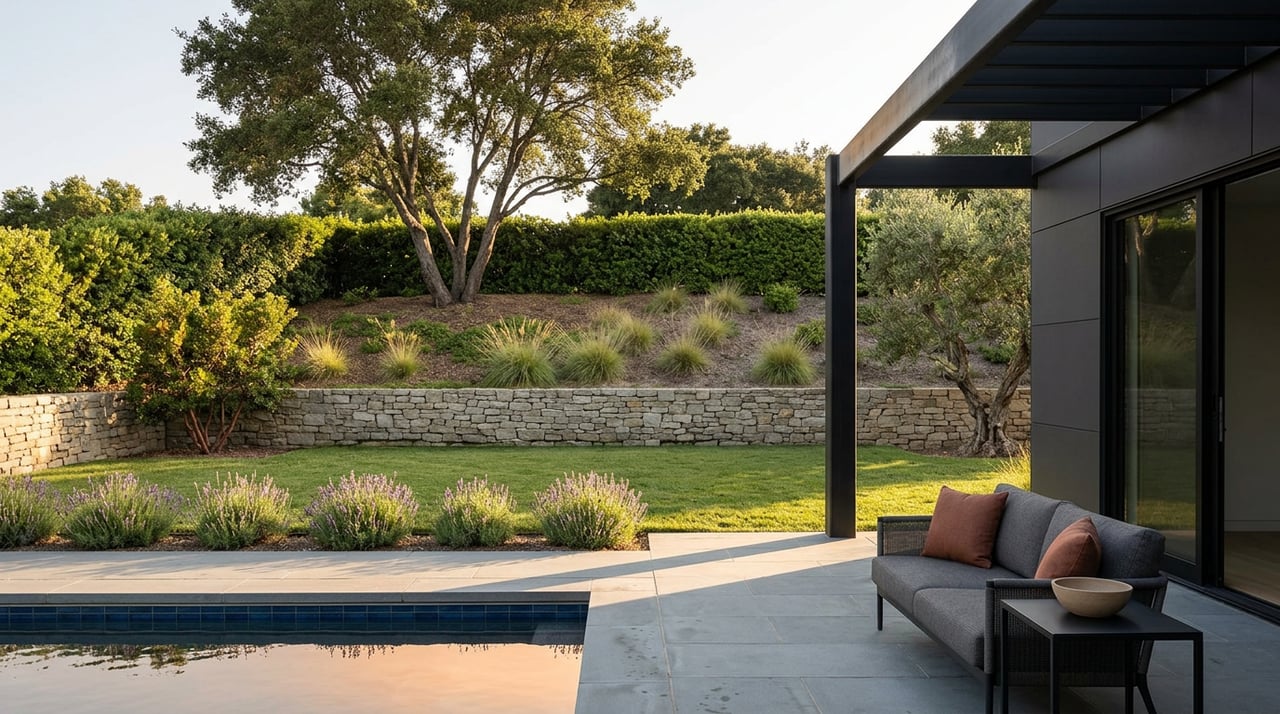
Many homes prioritize outdoor living, with pools, lawns, sport courts, gardens, outdoor kitchens, guesthouses, or space for future improvements. Lot utility can be just as important as lot size: a flat half-acre may function very differently from a larger hillside parcel.
The market also varies meaningfully by price point. A buyer below $4 million faces a different inventory set than someone searching from $4 million to $7 million or above $7 million. Condition and design matter at every level, while privacy, architectural distinction, and hard-to-replicate amenities become increasingly important in the ultra-luxury tier.
Alamo’s strengths are also part of its tradeoffs.
The community is not highly walkable in the way a compact downtown neighborhood is. Many daily activities require a car, especially from hillside or estate locations. Larger lots and older custom homes can also mean more maintenance, landscaping, systems, and insurance considerations.
Commuting on Interstate 680 varies significantly by time of day. Buyers should test their actual routes rather than relying on a map estimate. Public transit is available nearby, but Alamo does not have its own BART station; residents typically use Walnut Creek or other regional stations.
And because the housing stock spans many decades, the experience of owning one Alamo home may be entirely different from another. Inspections, insurance research, permit review, drainage, trees, private roads, septic systems where applicable, and renovation feasibility deserve careful attention.
For the right buyer, these are reasonable considerations in exchange for land, privacy, outdoor access, and location. The key is entering the search with clear priorities and realistic expectations.
Life in Alamo is spacious, active, and quietly connected.
It is a morning run on the Iron Horse Trail. Golf, tennis, swimming, or a holiday gathering at Round Hill for members. An afternoon at Livorna Park. A hike into Las Trampas. Saturday morning at the Danville Farmers’ Market. Dinner in downtown Walnut Creek. Then home to a street that feels removed from all of it.
Alamo works especially well for people who value privacy and room to live, but do not want to sacrifice access to dining, shopping, schools, recreation, and the greater Bay Area.
As an East Bay native and Alamo luxury real estate specialist, I help buyers look beyond online listings to understand the nuances that shape daily life: which neighborhood fits their rhythm, which properties offer genuinely usable land, and where condition, privacy, or location will matter most over time.
If you are considering moving to Alamo, contact Ria Rossi of Compass for a private conversation or a curated introduction to Alamo homes and neighborhoods.
No. Alamo is an unincorporated community in Contra Costa County, located between Danville and Walnut Creek.
Alamo does not have a traditional downtown. Alamo Plaza and businesses along Danville Boulevard provide everyday conveniences, while residents commonly visit nearby downtown Danville and Walnut Creek for expanded dining, shopping, and entertainment.
Popular activities include walking, running, and cycling on the Iron Horse Trail; using local parks; hiking in Las Trampas; visiting nearby Mount Diablo; dining locally or in Danville and Walnut Creek; and, for members, participating in sports, dining, and social events at Round Hill Country Club.
Yes. The Iron Horse Regional Trail passes through Alamo and connects the community with Danville, Walnut Creek, and other cities along the San Ramon Valley corridor.
Round Hill is a private club offering golf, tennis, pickleball, swimming, fitness, bocce, dining, and a calendar of social and holiday events. Membership is separate from homeownership in the surrounding neighborhood.
Alamo has its own grocery, dining, fitness, wellness, and service businesses. Downtown Danville is immediately south, while Walnut Creek’s larger shopping and dining district is a short drive north under normal traffic conditions.
Alamo offers ranch homes, single-story residences, golf-course properties, custom homes, gated estates, newer construction, view homes, and compounds on acreage. Prices and property characteristics vary widely by neighborhood, condition, lot, and amenities.
Stay up to date on the latest real estate trends.
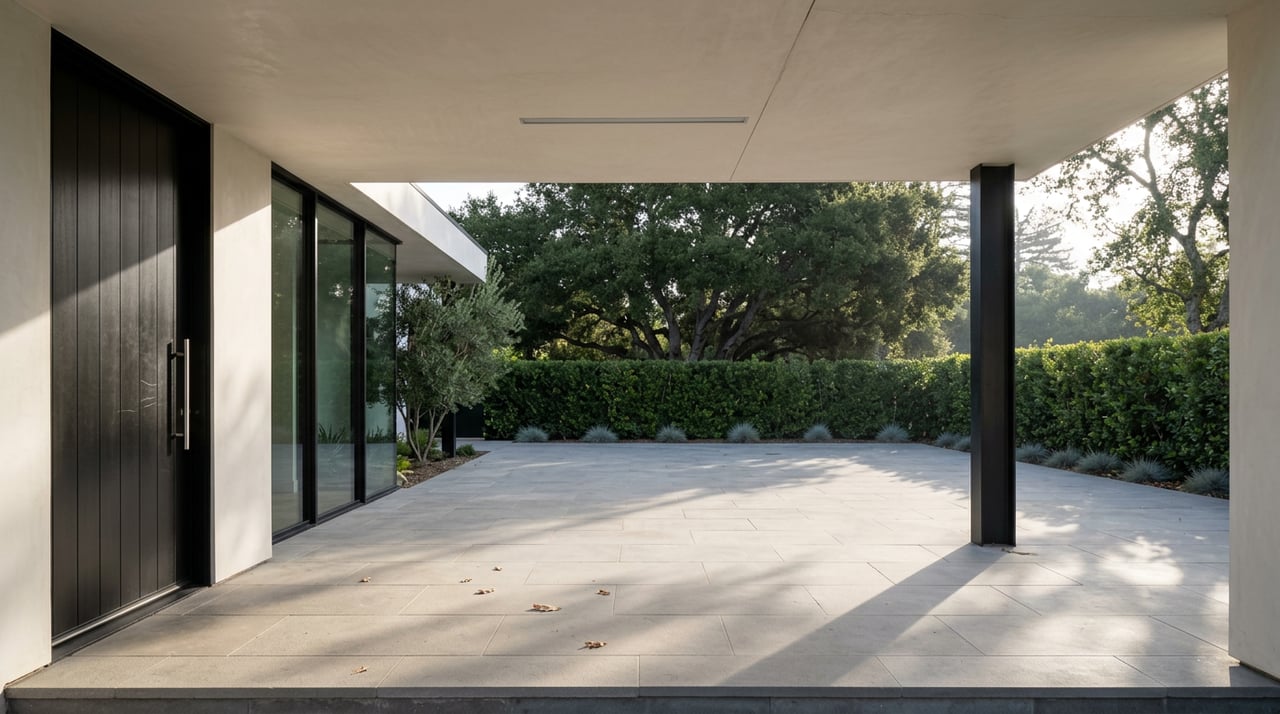
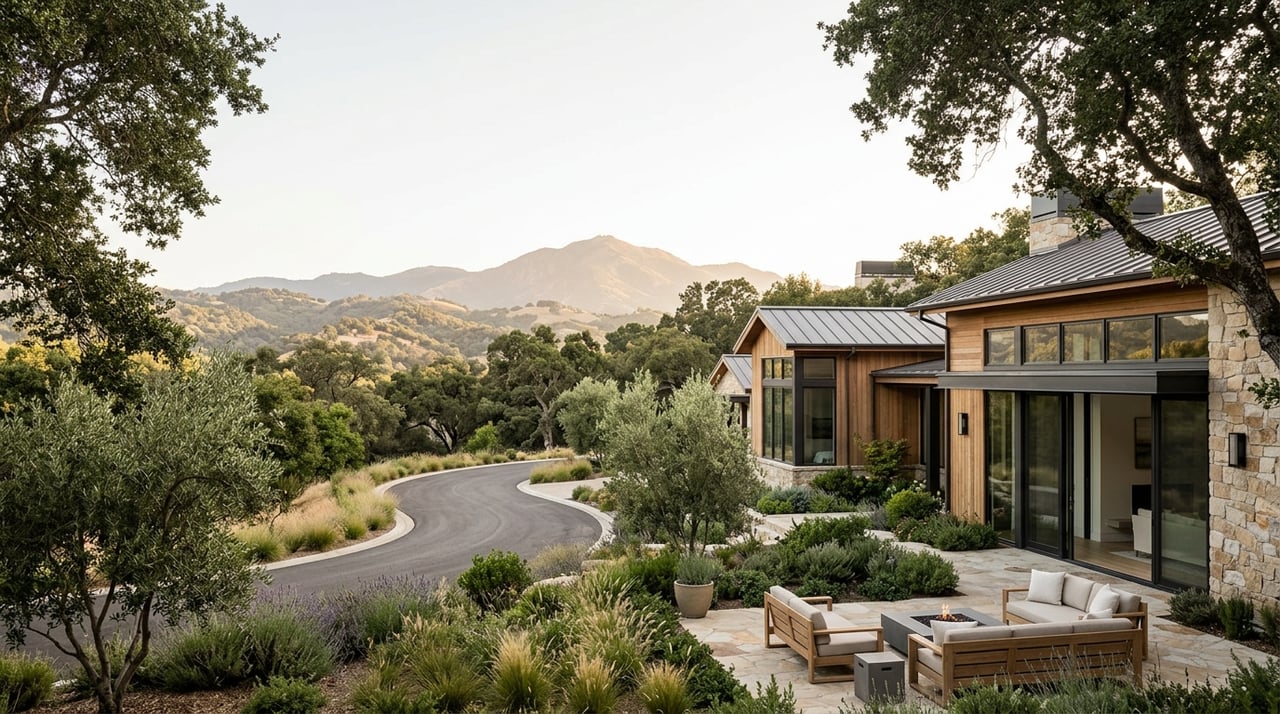
Find the Alamo Neighborhood That Fits the Way You Want to Live
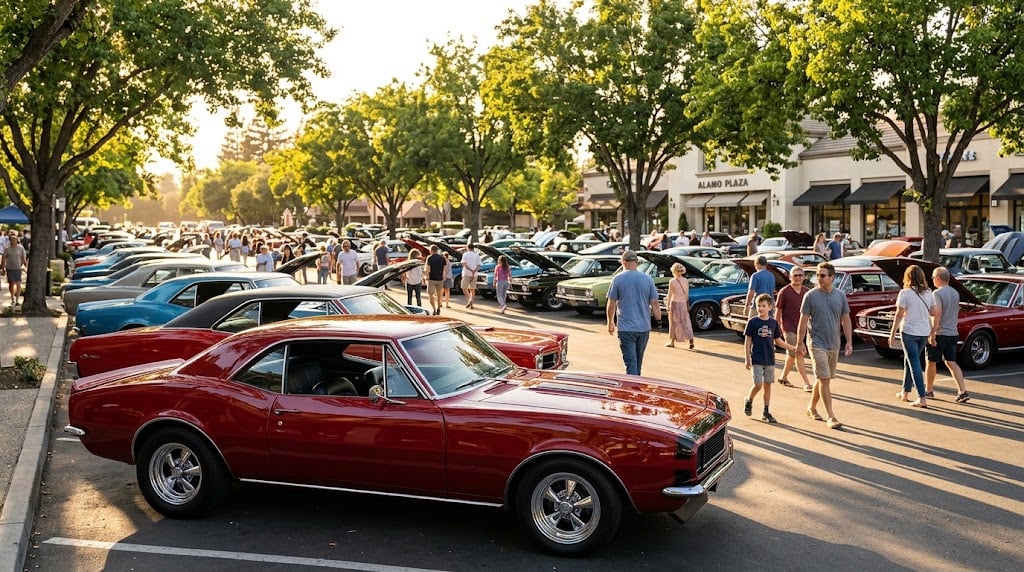
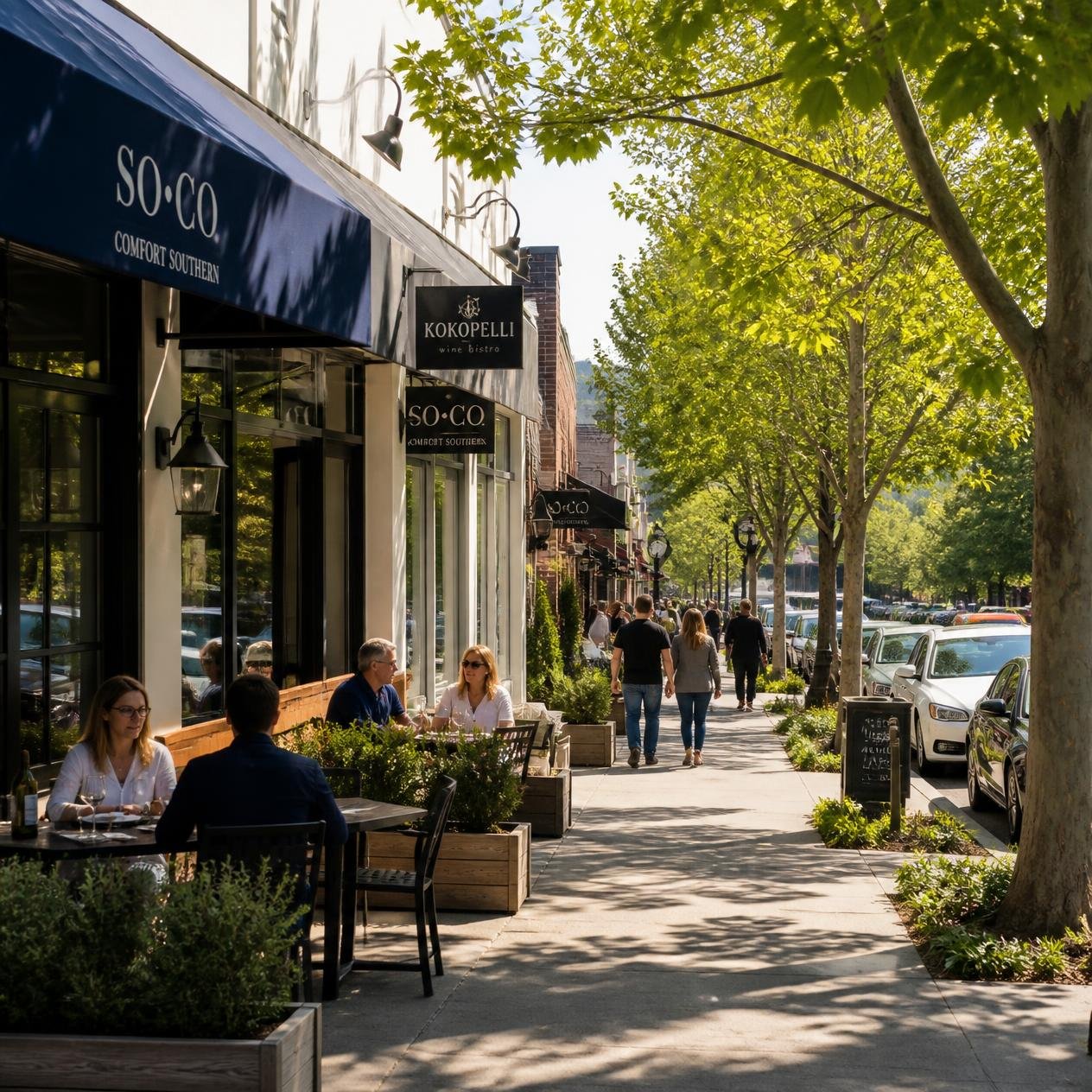
Connect with Ria Rossi for trusted, tailored guidance in the East Bay luxury market. Your next chapter begins here.