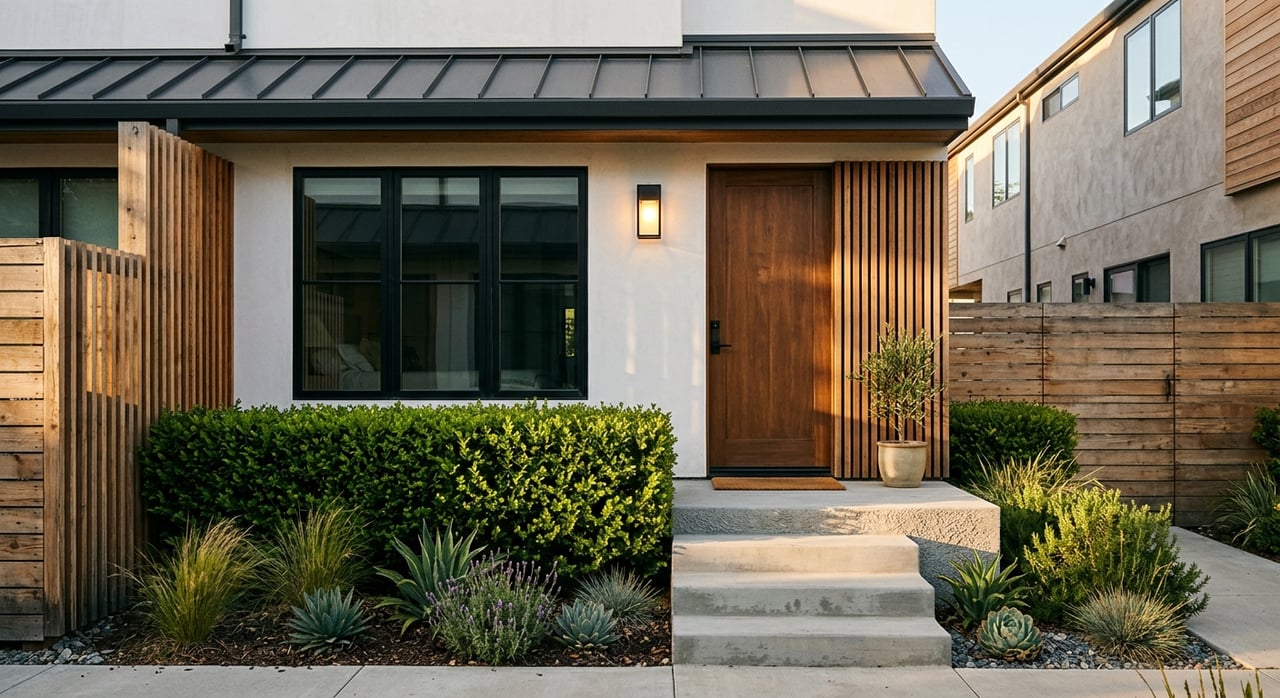
Smart Tips for a Lafayette Condo or Townhome Investment
May 7, 2026
May 7, 2026
If you are thinking about buying a Lafayette condo or townhome as an investment, the numbers deserve a closer look. Lafayette is a premium East Bay market, and attached homes can offer lower-maintenance ownership, but high purchase prices, HOA dues, and varying rental income can change the picture quickly. When you understand how pricing, rent potential, location, and HOA documents work together, you can make a smarter decision with fewer surprises. Let’s dive in.
Lafayette sits in a supply-constrained, higher-price section of the East Bay. That matters because condos and townhomes here often carry purchase prices that are high relative to typical rents, which can compress cash flow if you do not underwrite carefully.
In March 2026, Redfin reported a median sale price of $2.5 million for Lafayette homes overall, with homes averaging 18 days on market. For attached housing, Redfin showed 40 condos for sale at a median listing price of $1.15 million, and current townhome examples were also around that level.
Newer attached homes can range well beyond that midpoint. Recent examples included one-bedroom condos from about $859,880 to $1.23 million, three-bedroom condos from roughly $1.88 million to $2.14 million, and a new two-bedroom townhome listed at $929,000 with a $513 monthly HOA.
For many buyers, the appeal starts with simplicity. A condo or townhome can offer a more manageable ownership experience than a larger detached home, especially if you want a property that may serve as a long-term rental, a stepping-stone purchase, or part of a broader wealth-building plan.
In Lafayette, attached homes can also line up well with what many renters want. Features like attached garages, in-unit laundry, private patios or decks, EV charging, and community amenities often show up in current listings and can help a unit stand out in the rental market.
There is also a lifestyle component that supports demand. Properties closer to downtown Lafayette and BART may attract more tenant interest because the city is generally car-dependent, with Redfin citing a Walk Score of 26.
Not every Lafayette condo or townhome will perform the same way as an investment. In this market, location can strongly influence both rent potential and future resale flexibility.
Lafayette Station is located at 3601 Deer Hill Road on the Antioch to SFIA/Millbrae line, and the city highlights downtown transit and parking resources. That makes attached homes near BART and the downtown core especially worth a closer look if rental appeal is one of your goals.
By contrast, units in more isolated locations may face a narrower renter pool. In a city where driving is part of daily life for many residents, convenience can command a premium.
One of the biggest mistakes investors make is relying on a single citywide rent average. In Lafayette, rent data vary meaningfully depending on the source, unit type, condition, and location, so citywide averages are only a starting point.
As of spring 2026, Zillow reported an average rent of $2,495 on one page and $3,290 on another, while Apartments.com reported an average of $2,199. Apartments.com also showed average rents of $2,766 for two-bedroom units and $3,553 for three-bedroom units.
That spread is exactly why unit-specific rental comps matter. Active two-bedroom rental listings in Lafayette ranged from about $2,395 to $4,686 per month, with premium examples above that range.
For you as a buyer, this means the details matter. Updated interiors, stronger parking, better access to transit or downtown, and more appealing amenities can make a noticeable difference in monthly rent.
In a premium market like Lafayette, disciplined underwriting is essential. You want to evaluate the property based on realistic income and complete expenses, not just the asking price and a rough rent estimate.
Start with the likely monthly rent based on truly comparable units. Then subtract major operating costs, including HOA dues, insurance, maintenance, vacancy allowance, property taxes, and any property management expenses if you plan to outsource day-to-day oversight.
HOA dues deserve special attention because they can materially affect returns. Recent Lafayette examples ranged from $513 per month in newer product to the $700 to $800-plus range in some resale properties.
A lower HOA is not always better if it means the association is underfunded. In some communities, dues may cover common-area maintenance, insurance, grounds maintenance, management, reserve contributions, and related services, which can reduce the chance of larger surprise costs later.
When you buy in a common-interest development, you are not just buying the unit. According to the California Department of Real Estate, ownership in a condo, townhouse, or other common-interest development also makes you a member of the homeowners association, and the association’s governing documents shape many of the rules that affect your investment.
The CC&Rs can address assessments, insurance requirements, architectural controls, and leasing restrictions. The board is responsible for budgets, bills, and long-term maintenance, so the health of the HOA can directly influence your carrying costs and future resale value.
The California DRE also points buyers to reserve studies as an important due diligence tool. A reserve study can show how the association is planning for non-annual maintenance and whether the community appears prepared for future repairs.
Before you close, review these items carefully:
If your plan depends on future rental flexibility, do not treat these documents as routine paperwork. In Lafayette, they are central to the investment case.
If you plan to hold the property as a long-term rental, California’s Tenant Protection Act may matter. According to the California Attorney General, the law generally caps annual rent increases at 5% plus CPI or 10% total, whichever is lower, and requires just cause for covered tenancies.
The same guidance notes that some single-family homes and condominiums can be exempt if they meet the statute’s ownership and notice requirements. The California DRE’s tenant guide also notes that condos can be exempt under the law’s conditions.
Because exemptions depend on the ownership structure and proper notice, you should verify how the rules apply to your specific purchase before you rely on them in your planning. This is especially important if you are buying personally, through an entity, or considering future ownership changes.
Some buyers like the idea of a short-term rental fallback. In Lafayette, that should not be your default underwriting assumption.
The city has monitored legislation related to the sharing economy and has previously paused on a short-term-rental ruling while gathering more information. That makes a long-term rental strategy the cleaner baseline for evaluating a condo or townhome purchase here.
If a short-term rental plan is important to you, verify the current city rules and HOA restrictions before you buy. Do not assume flexibility based on what may be allowed in nearby cities.
In Lafayette, the strongest attached-home investment stories are usually straightforward. Buyers often do best when they focus on low-maintenance ownership, strong access to BART and downtown, updated or newer interiors, and communities with well-reviewed HOA documents and healthy reserves.
From a renter’s perspective, convenience and condition matter. A polished, move-in-ready unit with practical features like garage parking, in-unit laundry, outdoor space, and appealing common amenities may be better positioned than a larger but less convenient alternative.
From an owner’s perspective, future resale still matters. In a design-conscious market like Lafayette, homes with clean presentation, modern finishes, and everyday functionality may have broader appeal when it is time to sell.
The answer depends on your goals. If you want strong immediate cash flow, Lafayette may feel challenging because purchase prices are high compared with rents, and HOA dues can significantly affect returns.
If you value long-term ownership in a premium East Bay location, lower-maintenance living, and the potential for rental flexibility, a well-chosen condo or townhome may still make sense. The key is buying with clear eyes, realistic rent assumptions, and a full understanding of the HOA.
A thoughtful acquisition in Lafayette is less about chasing a generic citywide average and more about selecting the right unit, in the right location, with the right documents behind it. That is where careful strategy can protect both your lifestyle goals and your investment.
If you want help evaluating Lafayette condos and townhomes through both a financial and market-positioning lens, Ria Rossi offers a polished, high-touch approach grounded in local East Bay expertise.
Stay up to date on the latest real estate trends.






Connect with Ria Rossi for trusted, tailored guidance in the East Bay luxury market. Your next chapter begins here.