How Pacaso Second Homes Work for Alamo Buyers
April 16, 2026
April 16, 2026
If you love the idea of a second home but not the idea of managing one full-time, fractional ownership may be worth a closer look. For many Alamo buyers, the appeal is simple: access to a luxury lifestyle property without taking on the full cost, upkeep, and scheduling burden of owning it alone. In this guide, you’ll learn how Pacaso’s fractional second-home model works, what day-to-day ownership looks like, and why it can fit the goals of buyers who value convenience, design, and flexibility. Let’s dive in.
Alamo is a market where many homeowners are already familiar with premium real estate. According to U.S. Census QuickFacts for Alamo CDP, the area has a median household income above $250,000, a median owner-occupied home value above $2,000,000, and a 91.8% owner-occupancy rate.
That context matters. If you are based in Alamo, you may be less focused on finding the cheapest path to a second home and more focused on finding a smart, low-friction way to enjoy one. Fractional ownership can be attractive when you want the lifestyle of a second property without the full-time demands that usually come with it.
Pacaso describes its model as deeded LLC co-ownership of a specific home. In practical terms, that means you are buying a real ownership interest in a luxury second home, not simply reserving time at a property. Shares are typically sold from 1/8 to 1/2 ownership, with no more than eight owners per home.
Pacaso is also clear that this is not a timeshare. Its FAQ explains that owners hold a property asset tied to a specific home, and that value moves with the local market rather than functioning as a right-to-use vacation product. For buyers who care about ownership structure, that distinction is often one of the first things to understand.
When you purchase through Pacaso, you own an interest in an LLC that holds title to the home. That ownership is tied to one property, and your share reflects a portion of that home rather than a floating use benefit across many locations.
This structure is designed to make co-ownership simpler to manage while still preserving true property ownership. If you are comparing options, it helps to think of Pacaso as a shared ownership model for a single luxury home, not a membership club.
Pacaso states that each home has no more than eight owners. That cap is one reason the model feels different from more traditional vacation ownership products, where the number of users can be much larger and usage can feel more rigid.
For many buyers, fewer owners means a more private and predictable experience. It also aligns with the brand’s emphasis on second-home use for owners and their guests.
One of the biggest questions buyers ask is simple: how often can you actually use the home? Pacaso says scheduling is handled through its SmartStay system, with owners able to book advance stays up to 24 months ahead and short-notice stays 2 to 30 days in advance.
Rather than assigning fixed weeks, the system is built around flexible booking. Pacaso’s materials vary slightly on exact averages, but the safest takeaway is that each share is intended to provide multiple stays per year, not just one or two set windows.
The app-based scheduling model is meant to make planning easier, especially if your work and family calendar changes throughout the year. You can secure trips well in advance or take advantage of shorter-notice openings when your schedule allows.
That flexibility is often a major advantage for Alamo buyers who want a second home experience that fits around an already full primary-home life. Instead of owning a property that sits empty most of the year, you can use only the portion that makes sense for you.
Pacaso says homes are reserved for owners and their guests only. According to the company’s owner code of conduct, rentals are prohibited and disruptive events are not allowed.
That shapes the overall experience in an important way. This model is best understood as a personal-use lifestyle solution, not a short-term rental play.
Traditional second-home ownership often sounds glamorous until the to-do list starts. Furnishing the home, coordinating repairs, paying utilities, managing upkeep, and handling service vendors can quickly turn a getaway property into another job.
Pacaso says it handles maintenance, repairs, property management, and bill payment. The company also states that operating expenses are passed through without markup, while owners pay a fixed monthly management fee per share.
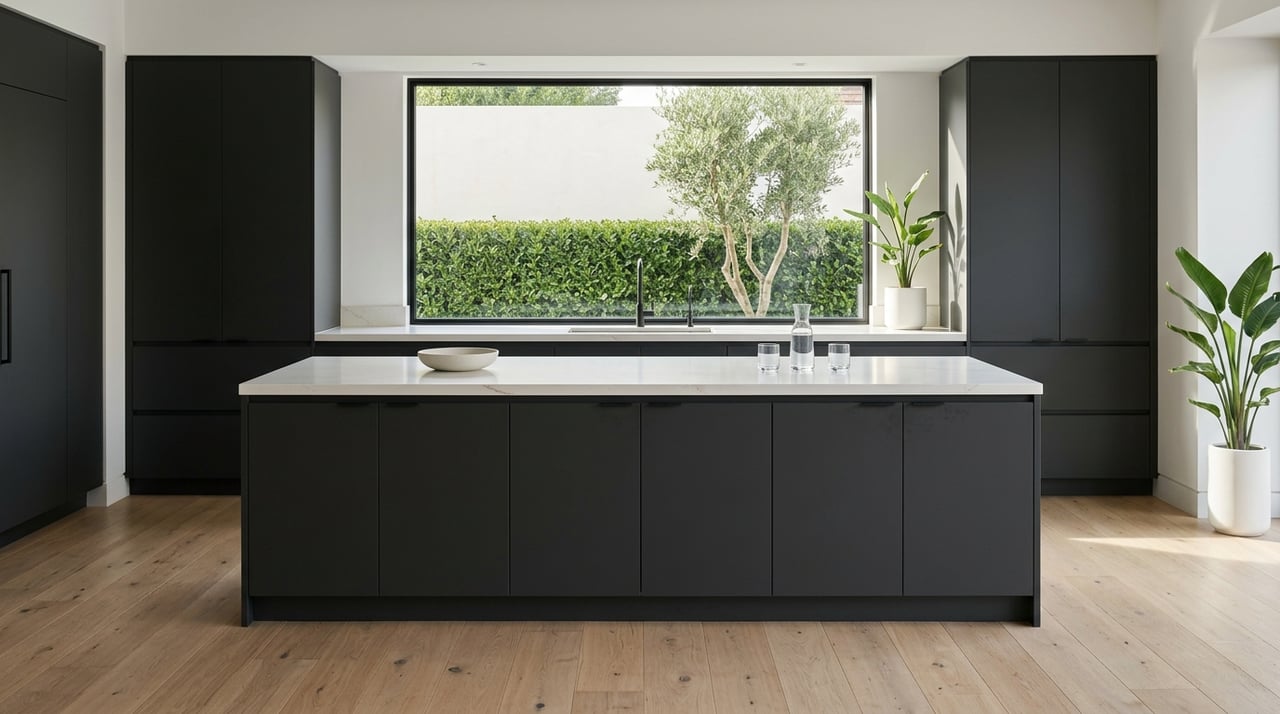
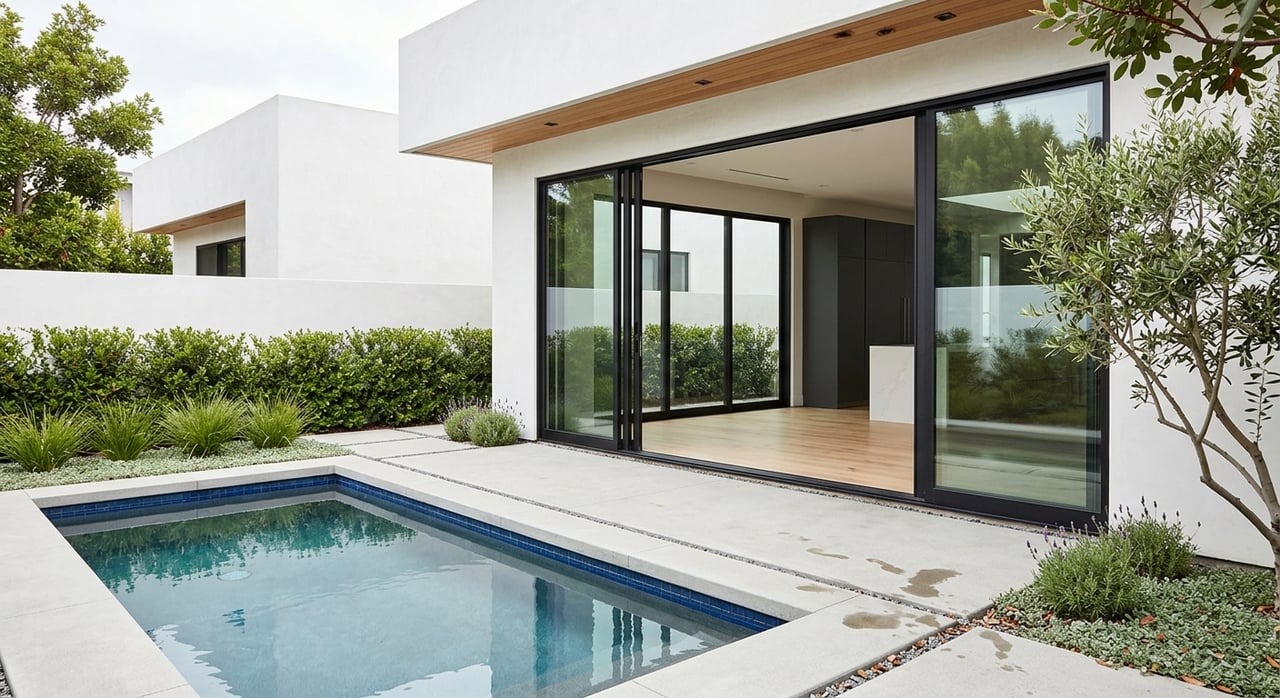
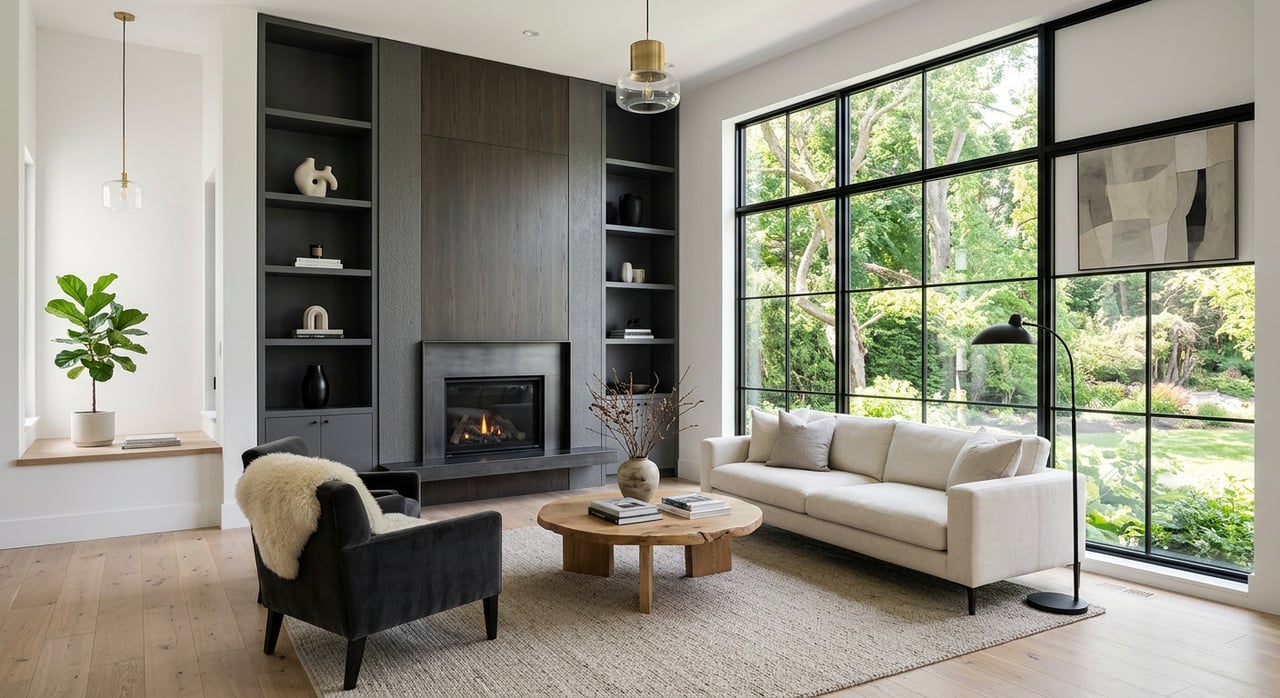
Pacaso’s homes are positioned as turnkey and professionally designed. Its collection pages highlight homes that are fully furnished and design-led, often with premium features such as chef’s kitchens, wine fridges, outdoor kitchens, pools, fireplaces, docks, and view-oriented outdoor spaces, as shown in its California and specialty collections.
For buyers who value presentation and ease, that matters. You are not starting from scratch with furniture orders, installation timelines, and vendor coordination before you can enjoy the property.
Pacaso also says that competitive financing may be available for up to 70% of the purchase on some homes. Financing terms can vary, but the key point is that buyers may have options beyond an all-cash purchase depending on the property.
If you are weighing how this fits into a broader wealth or lifestyle plan, financing can be an important part of the conversation. It can allow you to preserve liquidity while still securing second-home access.
Pacaso’s California inventory is concentrated in destination-style homes rather than basic condo inventory. Current collection pages feature categories such as vineyards, lake homes, beach homes, ski homes, city homes, and homes with standout kitchens.
Representative listings in California include larger single-family homes in places like Napa, Tahoe City, Lake Arrowhead, Newport Beach, and La Jolla. Based on those examples, the portfolio tends to skew toward spacious, amenity-rich properties designed for leisure and gathering.
For Alamo buyers, that destination mix makes practical sense. A second home often serves as an easy weekend reset or a place to host family and friends without the burden of managing another full household year-round.
If your priorities include wine country access, mountain escapes, or a coastal retreat, fractional ownership can create a more efficient path into those lifestyle markets. You get use of a high-end home while sharing the total cost and operational load.
The clearest way to evaluate this model is to compare it with buying an entire second home on your own. With whole ownership, you take on the full purchase price, furnishing, management, maintenance, taxes, insurance, and utilities.
Pacaso’s comparison materials include one sample in which a whole second home costs about $16,800 per month versus about $2,101 per month for a 1/8 share, though that is presented as an illustrative example rather than a universal rule. You can review that comparison in Pacaso’s rent, buy, or co-own overview.
| Option | What you take on | Best fit |
|---|---|---|
| Whole second-home ownership | Full cost, full control, full maintenance burden | Buyers who want exclusive access and are comfortable managing everything |
| Fractional ownership through Pacaso | Shared cost, scheduled use, professional management | Buyers who want luxury access with less hands-on responsibility |
For many Alamo buyers, the decision is less about whether they could buy the whole property and more about whether they want to. If convenience, flexibility, and efficient use matter most, co-ownership can be a compelling alternative.
This is one of the most common questions, and Pacaso directly addresses it in its FAQ. The company says no, because owners receive a deeded ownership interest in a specific home through an LLC structure rather than a right-to-use arrangement.
Pacaso also points to differences in scheduling flexibility, the limited number of owners per home, and the potential for value to move with the market. By contrast, timeshares are generally structured around usage rights rather than ownership of a property asset.
An exit path matters in any real estate decision. Pacaso says in its resale FAQ that owners can sell at any time once all shares in a home are sold, and if the home still has available interests, after 12 months.
The company also says it helps with pricing guidance and marketing on Pacaso and third-party sites. That built-in resale process is important for buyers who want a clear understanding of how ownership can evolve as their needs change.
Fractional ownership can be a strong fit, but only when it aligns with how you actually live. Before moving forward, it helps to think through a few practical questions:
The right answer depends on your habits, priorities, and financial picture. A thoughtful review can help you decide whether whole ownership or fractional ownership is the better match.
If you are considering a second-home strategy and want a polished, concierge-level perspective on your options, Ria Rossi can help you evaluate whether Pacaso fractional ownership fits your lifestyle, goals, and broader real estate plan.
Stay up to date on the latest real estate trends.
Connect with Ria Rossi for trusted, tailored guidance in the East Bay luxury market. Your next chapter begins here.