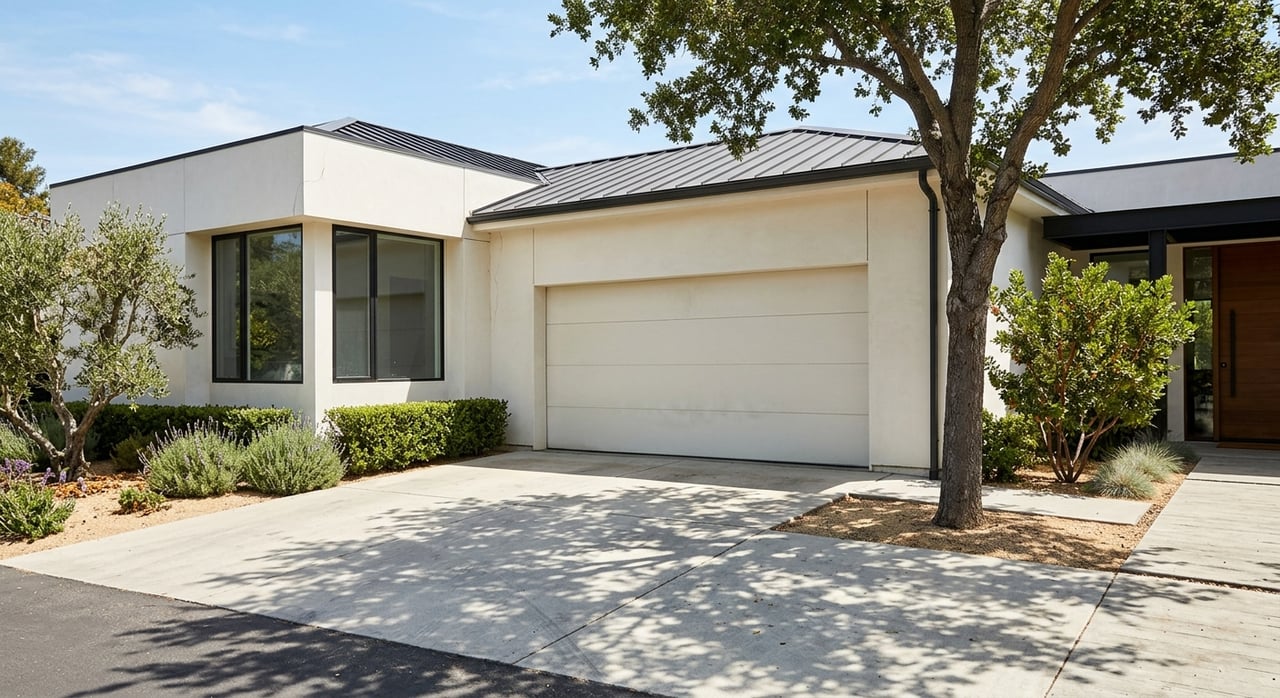
How To Evaluate An Investment Property In Alamo
July 16, 2026
July 16, 2026
Wondering whether an investment property in Alamo is a smart move or an expensive guess? In a market where homes can sell quickly and often above list, the margin for error is small. If you are thinking about a long-term hold, a light renovation, or a property with expansion potential, you need a clear way to evaluate risk, upside, and day-to-day costs before you write an offer. Let’s dive in.
Alamo is not a low-entry investment market. Recent data shows a median sale price of $2,698,385, a median price per square foot of $893, and median days on market of 9. Zillow also reported 44 active listings and a median list price of $2,869,000 as of May 31, 2026.
That matters because your deal analysis has to reflect a premium submarket. Redfin reports homes are selling about 3% above list on average and going pending in around 11 days. In practical terms, you may have less time to investigate a property, compare renovation scenarios, and model your holding costs.
Recent examples also show that Alamo has a wide pricing range. Sold homes cited in current examples include properties at $1.9 million, $2.4 million, and $3.5 million, while a large estate listing sits at $16.5 million. For many buyers looking at investor-relevant opportunities, the most active range appears to cluster from the high-$1 millions through the mid-$3 millions.
Before you analyze finishes or future resale value, define what kind of investment you want the property to be. In Alamo, the most practical strategies are often disciplined value-add or long-term equity growth rather than aggressive cash-flow plays. That is because the entry price and carrying costs can be substantial.
A simple way to frame your evaluation is to ask:
When you know the strategy, it becomes easier to judge whether the property actually fits your goals. A beautiful home with limited upside may work for a hold, while a dated property with approved plans may be more attractive for value-add.
In Alamo, price per square foot can help, but it should never be your only test. Current examples show a wide spread, from about $591 per square foot to $950 per square foot, with other examples around $770 and $889 per square foot. That range suggests buyers are paying for more than size alone.
Condition, lot utility, design, and layout can all shift value significantly. A larger home with a weak floor plan or less usable land may not command the same premium as a smaller but better-positioned property. When you evaluate a deal, compare it to homes with similar utility, not just similar square footage.
A smart underwriting question is this: if you renovate the property, will it move into a price band the neighborhood already supports? If the answer is no, you may be over-improving for the location.
Large parcels can be appealing, but not every large lot functions the same way. Current Alamo examples include parcels from roughly 0.4 to 0.93 acres, and that kind of spread can create very different use cases for owners. The real question is how much of the land is actually usable.
When you review a property, look beyond the headline lot size. Consider whether the outdoor space supports everyday living, future improvements, privacy, access, or expansion. In Alamo, usable lot area can influence value just as much as the house itself.
This is especially important if you are buying with a future project in mind. A parcel that looks generous on paper may still have constraints that affect design, access, grading, septic review, or permitting.
Functional layout matters in Alamo. The research suggests buyers often respond to homes that are easy to live in, including single-level layouts or floor plans that feel practical and flexible. That can affect both resale demand and renovation decisions.
If you are evaluating a property as an investment, ask whether the layout already fits the likely buyer pool or whether changes would be needed to improve marketability. Sometimes cosmetic updates are enough. Other times, the real issue is circulation, room placement, or how the home connects to the lot.
This is where thoughtful analysis matters. You want to invest in changes that widen appeal, not just raise finish quality.
High-end markets often come with higher recurring costs, and Alamo is no exception. One sold property in the current examples carried a $1,900 annual HOA for gated and security services. That may or may not be material to your budget, but it should be part of the full ownership picture.
Property taxes are even more important. Contra Costa County states that the countywide base property tax is 1%, with voter-approved taxes and special assessments billed separately. At Alamo’s median sale price of $2,698,385, the 1% base tax alone is about $26,984 per year before special assessments.
At Zillow’s median list price of $2,869,000, that base tax alone is about $28,690 annually. If ownership changes or new construction is completed, the county reassesses the property and can issue a supplemental bill. That means your tax picture may change after closing or after improvements are finished.
Because Alamo is unincorporated, many renovation and expansion questions go through Contra Costa County rather than a city planning department. The county notes that many projects are filed through ePermits and that construction-related applications generally require a site plan, floor plan, and architectural elevations.
That local structure matters if your strategy depends on adding value through renovation or expansion. You should confirm early what approvals may be needed and whether the property has any code or land-use issues that could slow your timeline. In a fast-moving market, those details can make a big difference.
If you are considering a property because of its upside, do not assume future work will be simple. Confirm permit history, scope, and feasibility before you close whenever possible.
If an accessory dwelling unit is part of your plan, Contra Costa County’s ADU rules are central to your evaluation. The county states that ADUs require both planning and building approvals. It also states that ADUs cannot be permitted for short-term rental use.
For properties on septic systems, Environmental Health review is required. The county also notes that even preapproved ADU plans still need site-specific planning review and may require a geotechnical report, along with compliance with health, safety, and fire requirements.
That means ADU potential should be treated as a due diligence item, not a marketing bonus. If a property appears to offer expansion opportunities, verify exactly what is possible on that specific site.
In some cases, a property with approved plans can create a clearer path to value. A local example in the research is 4 La Serena Way, which was marketed as needing TLC but also had approved plans for a larger main house and a detached cottage above the garage. That kind of setup can be attractive if the approval path, construction budget, and resale case all line up.
Still, approved plans are not automatically equal to profit. You should evaluate whether the scope of work matches what the neighborhood supports and whether the finished product would clearly justify the investment. A plan set is only valuable if it leads to a product the market will reward.
Insurance is another major underwriting item, especially for parcels with higher wildfire exposure. The California Department of Insurance says wildfire risk is a major issue in the homeowners insurance market and points consumers to the FAIR Plan when standard coverage is unavailable.
Contra Costa County’s General Plan also addresses wildfire hazards, geologic hazards, and evacuation routes in its Health and Safety Element. For you, that means hazard review should be part of early due diligence, not something saved for the final days of escrow.
If insurance costs are higher than expected, your holding costs can change quickly. Getting quotes early can help you avoid surprises and refine your true monthly ownership number.
The broader Contra Costa County market helps provide context, even though Alamo operates at a very different price point. The county’s FY-2026 data shows a median price of $779,750, inventory up 13.2%, and months of supply at 2.4. Alamo, by contrast, remains a premium submarket with much higher prices and fast turnover.
That contrast is important because it supports a different investment mindset. In Alamo, the strongest opportunities may come from scarcity, lot quality, and creating a clearly superior product rather than chasing broad-market cash flow assumptions. In other words, this is often a market where precision matters more than volume.
When you review an investment property in Alamo, keep your analysis focused on the factors most likely to affect value and risk:
A checklist like this helps you separate a compelling listing from a strong investment. In a premium market, discipline is what protects your downside.
If you are weighing a purchase in Alamo, the best opportunities are often the ones where design potential, lot utility, and local market support all align. That takes more than a quick spreadsheet. It takes local context, careful due diligence, and a clear plan for how the property will create value over time. If you want a tailored, design-aware perspective on what makes an Alamo property worth pursuing, Ria Rossi can help you evaluate the opportunity with clarity and strategy.
Stay up to date on the latest real estate trends.
Connect with Ria Rossi for trusted, tailored guidance in the East Bay luxury market. Your next chapter begins here.