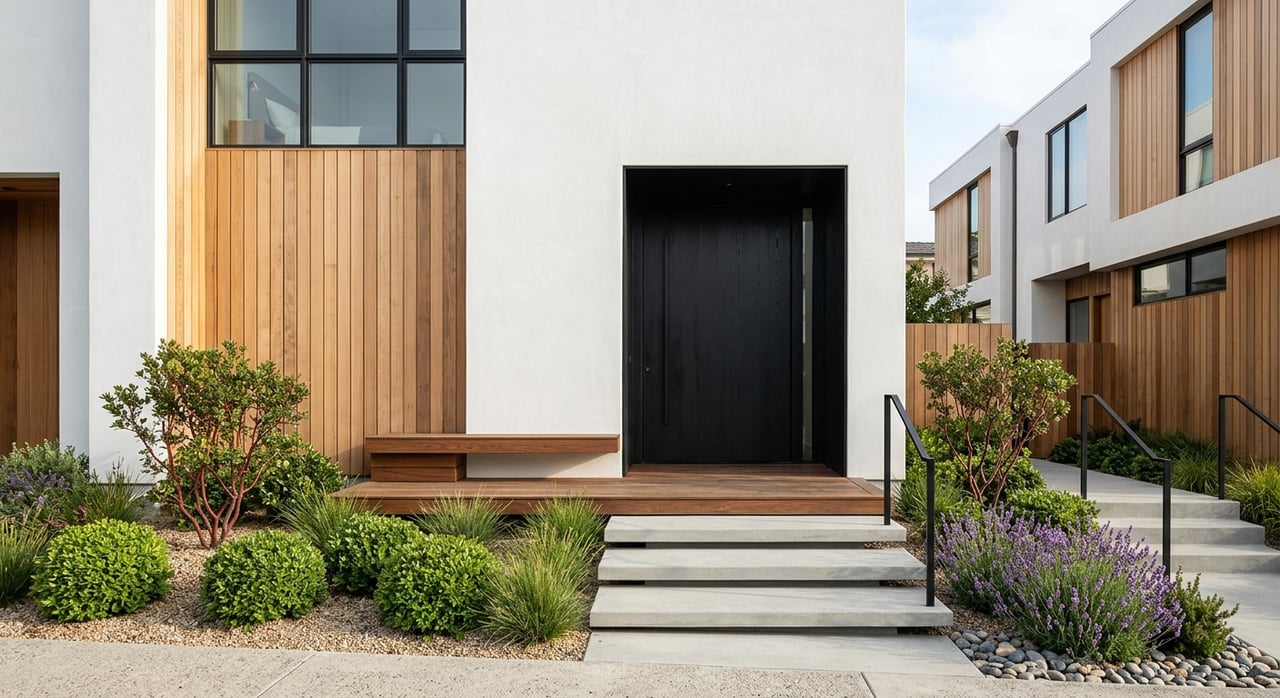
Right-Sizing From A Lafayette Home To Low-Maintenance Living
July 23, 2026
July 23, 2026
Wondering whether your Lafayette home still fits your life, or whether it is asking more of you than you want to give? If yard work, stairs, unused rooms, and ongoing upkeep are starting to feel like a burden, you are not alone. Right-sizing can help you simplify your routine, protect your equity, and stay close to the people and places that matter most. Let’s look at what low-maintenance living can mean in and around Lafayette, and how to make the move with clarity and confidence.
If you own a detached home in Lafayette, you may be in a strong position to make a move. In June 2026, the median sale price for detached homes in Lafayette was $2,212,500, with about 17 average days on market, roughly 1.5 months of inventory, and homes selling at about 104% of list price.
That local data matters because it suggests many Lafayette sellers can unlock significant equity while the market still favors well-positioned homes. Contra Costa County also leaned toward sellers in June 2026, with 1,379 new listings, 924 sales, 14 days on market, and a 102.15% sold-to-list ratio.
For many long-time owners, the appeal is not just financial. It is the chance to exchange a larger, higher-upkeep home for a property that asks less from you day to day.
Low-maintenance living is not only about moving into something smaller. It is about choosing a home that better supports the way you want to live now.
For many homeowners, that starts with practical comfort. Fewer stairs, a smaller footprint, easier access to daily essentials, and less exterior upkeep can all make a home feel more manageable over time.
A well-chosen condo or townhome can also offer lock-and-leave convenience. Instead of spending weekends on roof concerns, landscaping, or larger repair projects, you may be able to shift your time toward travel, family, hobbies, or simply a lighter routine.
That said, right-sizing does not mean giving up everything you love. The goal is to keep the features that support your lifestyle, like enough storage, comfortable guest space, good natural light, or single-level living, without recreating the maintenance demands of your current house.
If you want less upkeep but hope to stay connected to familiar routines, there are several nearby attached-home markets worth considering. More than 3 million adults age 65 and older moved in the prior year, and about 58% of those moves were within the same county, which supports the idea of staying local when possible.
In June 2026, nearby attached-home markets offered a range of price points and market speeds. That gives Lafayette homeowners several possible paths, depending on how much space, convenience, and monthly cost they want to balance.
| Area | Attached Median Price | Average Days on Market |
|---|---|---|
| Walnut Creek | $670,000 | 33 |
| Berkeley | $745,000 | 41 |
| Oakland | $580,000 | 59 |
| Hayward | $660,000 | 66 |
| Moraga | $766,500 | 39 |
Walnut Creek may appeal if you want a lower-maintenance option relatively close to Lafayette at a lower median price point than a Lafayette detached home. Moraga may feel familiar for those who want to remain close to Lamorinda, though pricing in attached housing there is higher than in some nearby markets.
Berkeley, Oakland, and Hayward can also offer alternatives, but market pace and pricing differ sharply. Berkeley attached homes were still selling at about 110% of list in June 2026, while Oakland and Hayward were much closer to list price.
Before you tour properties, define what matters most. This step helps you avoid buying a home that is newer or smaller, but not actually easier to live in.
Start with function over finishes. If mobility, convenience, or long-term comfort are part of the reason for your move, features like single-level living, elevator access, secure entry, and easy access to parking should come before cosmetic details.
A helpful must-have list may include:
Once those basics are clear, it becomes much easier to compare options with confidence. You are not just shopping for square footage. You are choosing a simpler way to live.
In California, buying a condo or townhome usually means joining a homeowners association. Membership generally transfers with the property, and HOAs typically handle common-area maintenance and enforce community rules.
That maintenance support is often part of what makes attached living appealing. But it also means your monthly budget needs to account for HOA dues, which are usually paid directly to the HOA rather than through your mortgage payment.
As you compare homes, look beyond the purchase price. A lower-priced condo with high dues, weak reserves, or a history of special assessments may not feel as simple or predictable as it first appears.
Your due diligence checklist should include:
This last point matters. California guidance warns that converted projects may carry higher repair or assessment risk, especially when reserve funding is thin.
This is one of the biggest questions in a right-sizing move, and the answer depends on your comfort with risk, timing, and cash flow. In Lafayette, where detached homes moved in about 17 days on average in June 2026, selling first can feel more realistic than in a slower market.
Selling first can give you clarity. You know your sale proceeds, you can set a firm replacement budget, and you avoid carrying the full cost of two homes at once.
Buying first can reduce the pressure of finding your next home quickly. But it may require more liquidity, more financing flexibility, and a willingness to absorb temporary overlap costs.
Mortgage rates are part of this decision too. Freddie Mac reported the 30-year fixed rate at 6.55% on July 16, 2026, which means the monthly payment on a replacement home can shift meaningfully depending on timing.
When you add a new mortgage payment, property taxes, insurance, and HOA dues together, the monthly picture can look very different from the headline sale price. That is why right-sizing should be planned around both equity and cash flow.
If Proposition 19 may apply to your move, timing matters. In California, the base-year value transfer claim is filed after both transactions are complete and after you are living in the replacement home. It is not handled through escrow.
There is also an important buy-first detail to understand. If you purchase the replacement home before your original home sells, the replacement property will be taxed at its full fair-market value until the original sale closes, and there is no refund for that interim period.
If the replacement home costs more than the original, the original tax basis may still transfer, with the excess value added. Because of that, the order of operations can affect short-term cash flow even when the long-term tax outcome is favorable.
The original home must also be your principal residence and eligible for the homeowners’ or disabled-veterans’ exemption at sale or within two years of buying the replacement home. These are details worth verifying early, before you commit to a timeline.
A move like this is not only a real estate decision. It is also a life transition, and that can bring up grief, stress, or second-guessing.
One of the most helpful ways to reduce overwhelm is to start early and go in small steps. Begin with the least emotional spaces, set a short daily decluttering habit, and break the house into clear zones instead of trying to do everything at once.
You may also find it helpful to talk through the move with family or trusted friends. Visiting different housing options in person can make the decision feel more concrete and less abstract.
Try to frame the process around what you are making possible. Less maintenance, easier daily living, more freedom to travel, and a home that fits this chapter of life can all be meaningful gains.
If you want a smoother transition, keep the process simple and structured:
A thoughtful move is rarely just about going smaller. It is about creating more ease, with fewer surprises along the way.
If you are thinking about right-sizing from Lafayette to a condo, townhome, or another low-maintenance property nearby, the best first step is a strategy conversation built around your goals, timing, and numbers. For tailored guidance on preparing your current home and evaluating your next move, connect with Ria Rossi.
Stay up to date on the latest real estate trends.



Connect with Ria Rossi for trusted, tailored guidance in the East Bay luxury market. Your next chapter begins here.